

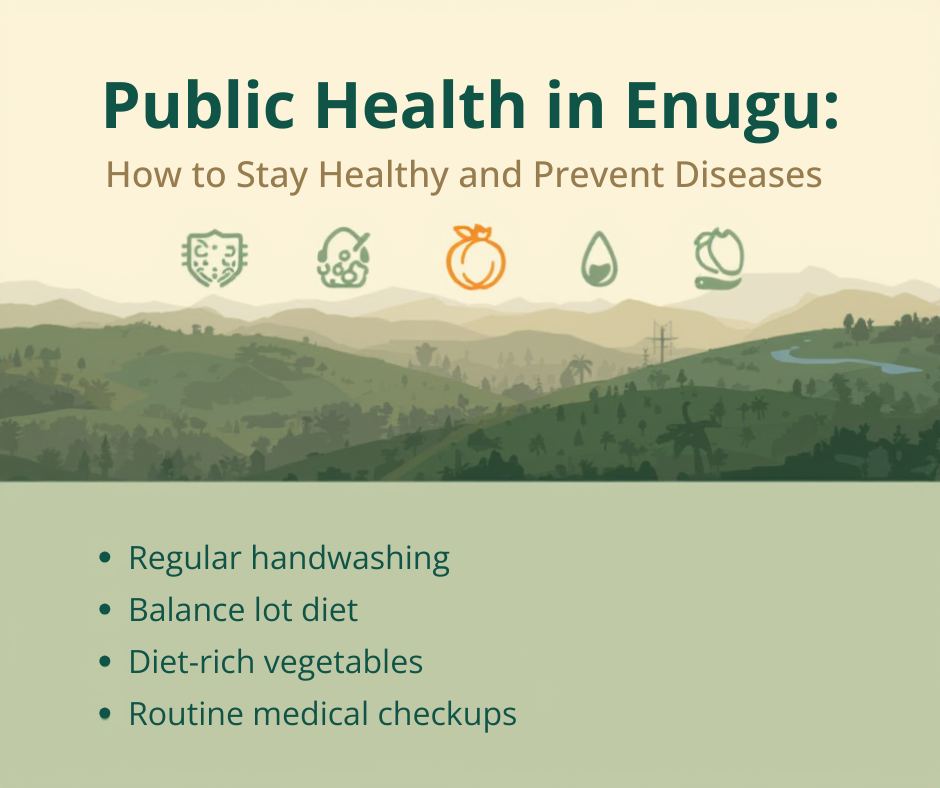
Public health is a critical concern in Nigeria, and Enugu is no exception. The health of communities is directly linked to environmental factors, access to clean water, waste management, and personal practices. Poor public health can lead to preventable diseases, increased medical costs, and loss of productivity. In this blog, we will discuss practical ways to prevent malaria, maintain a clean environment, ensure safe water, stay healthy during Harmattan, and manage waste effectively.
How to Prevent Malaria in Enugu
Malaria is one of the most common diseases in Enugu. It is caused by the bite of infected female mosquitoes carrying the Plasmodium parasite. Symptoms include fever, chills, headaches, vomiting, and fatigue. Left untreated, malaria can be life-threatening, especially for children, pregnant women, and the elderly.
Ways to Prevent Malaria:
- Use Mosquito Nets: Sleeping under treated mosquito nets is one of the most effective ways to prevent malaria. Ensure the net covers the entire bed and is free from holes.
- Eliminate Standing Water: Mosquitoes breed in stagnant water. Remove water from containers, plant pots, old tires, or any surface where water collects around homes.
- Use Insect Repellents: Apply mosquito repellents on exposed skin, especially during the evening when mosquitoes are most active.
- Install Screens on Windows: Window screens prevent mosquitoes from entering homes.
- Seek Early Medical Care: At the first signs of malaria, such as fever or chills, visit a health facility for proper diagnosis and treatment.
- Community Awareness: Participate in community malaria prevention programs organized by local health authorities and NGOs.
By following these steps, residents can significantly reduce the risk of malaria in Enugu, saving lives and promoting a healthier community.
Dirty Environment and Diseases in Nigeria
A dirty environment is a major contributor to the spread of diseases in Nigeria, including Enugu. Improper sanitation, littering, and unclean surroundings allow bacteria, viruses, and parasites to thrive. This leads to outbreaks of diseases such as cholera, diarrhea, typhoid, and respiratory infections.
Health Risks of a Dirty Environment:
- Vector-borne Diseases: Flies, mosquitoes, and rodents breed in dirty surroundings and spread diseases.
- Waterborne Diseases: Contaminated water from improper waste disposal can cause cholera, typhoid, and diarrhea.
- Respiratory Problems: Dust, smoke, and open burning of waste can lead to asthma and other respiratory issues.
Ways to Maintain a Clean Environment:
- Regular Cleaning: Sweep streets, homes, and public spaces regularly to prevent litter accumulation.
- Proper Waste Segregation: Separate biodegradable and non-biodegradable waste to make disposal and recycling easier.
- Community Participation: Neighborhood clean-up campaigns can help maintain a healthy environment.
- Educate the Public: Awareness campaigns about the dangers of a dirty environment are crucial.
A clean environment reduces the prevalence of diseases and improves overall community well-being.
Importance of Clean Water in Our Communities
Clean water is essential for life. Access to safe water prevents many health problems and is critical for personal hygiene, cooking, and drinking. In Enugu, some communities still rely on unprotected wells, streams, or contaminated water sources, increasing the risk of waterborne diseases.
Dangers of Unsafe Water:
- Cholera: A bacterial disease that causes severe diarrhea and dehydration.
- Typhoid: Spread through water contaminated with Salmonella bacteria.
- Diarrhea: Often caused by contaminated drinking water and poor hygiene.
- Parasite Infections: Worms and other parasites thrive in unclean water.

Tips for Ensuring Safe Water:
- Boil Water Before Drinking: Boiling kills most harmful bacteria and parasites.
- Use Water Filters: Filters remove impurities, chemicals, and microorganisms.
- Protect Water Sources: Cover wells and water storage tanks to prevent contamination.
- Regular Testing: Test water for contaminants periodically, especially in rural areas.
- Promote Hygiene: Encourage handwashing with soap and safe water.
By prioritizing clean water, communities in Enugu can reduce the spread of diseases and promote better health outcomes.
How to Stay Healthy During Harmattan Season
Harmattan, a dry and dusty season from November to March, can affect health in Enugu. The cold mornings, dry air, and dust particles increase the risk of respiratory issues, dehydration, and skin problems.
Health Risks During Harmattan:
- Respiratory Infections: Dust can cause cough, asthma attacks, and difficulty breathing.
- Dry Skin and Lips: The low humidity leads to dryness and irritation.
- Dehydration: Hot daytime temperatures and dry air increase fluid loss.
Tips to Stay Healthy During Harmattan:
- Hydrate Frequently: Drink enough water to prevent dehydration.
- Moisturize Skin: Use lotions and lip balm to prevent dry and cracked skin.
- Protect Yourself from Dust: Wear masks and cover the nose and mouth when outside.
- Balanced Diet: Eat foods rich in vitamins to boost immunity.
- Indoor Humidifiers: Use humidifiers at home to reduce dryness in the air.
By following these simple measures, residents can stay healthy and comfortable during the Harmattan season in Enugu.
Waste Disposal and Public Health in Enugu
Improper waste disposal is a major public health concern in Enugu. Dumping garbage in streets, rivers, and open spaces leads to disease outbreaks, pollution, and environmental degradation.
Health Risks of Poor Waste Disposal:
- Mosquito Breeding: Piles of garbage collect water, creating mosquito breeding grounds.
- Rodent Infestation: Rats and mice spread diseases like Lassa fever and leptospirosis.
- Water Pollution: Waste contaminates rivers and wells, leading to waterborne diseases.
- Air Pollution: Open burning of waste releases harmful smoke affecting lungs.
Effective Waste Management Practices:
- Segregate Waste: Separate biodegradable and non-biodegradable waste.
- Use Government Collection Services: Dispose of waste at authorized dumpsites.
- Recycling and Composting: Convert organic waste into compost for gardens.
- Community Clean-up Programs: Engage residents in regular neighborhood cleaning.
- Educate the Public: Awareness campaigns about waste hazards help encourage responsible disposal.
By implementing proper waste management, Enugu can reduce health risks, prevent disease outbreaks, and create a cleaner, safer environment.
Conclusion
Public health in Enugu depends on both community action and individual responsibility. Preventing malaria, maintaining a clean environment, ensuring safe water, staying healthy during Harmattan, and practicing proper waste disposal are all essential steps.
Residents, local government authorities, and NGOs must work together to educate the public, enforce health regulations, and provide access to clean water and medical services. When communities take these simple but effective measures seriously, Enugu can enjoy healthier residents, reduced disease rates, and a better quality of life for all.
Remember: Prevention is always better than cure. By taking proactive steps today, we can build a healthier and stronger Enugu for the future.