

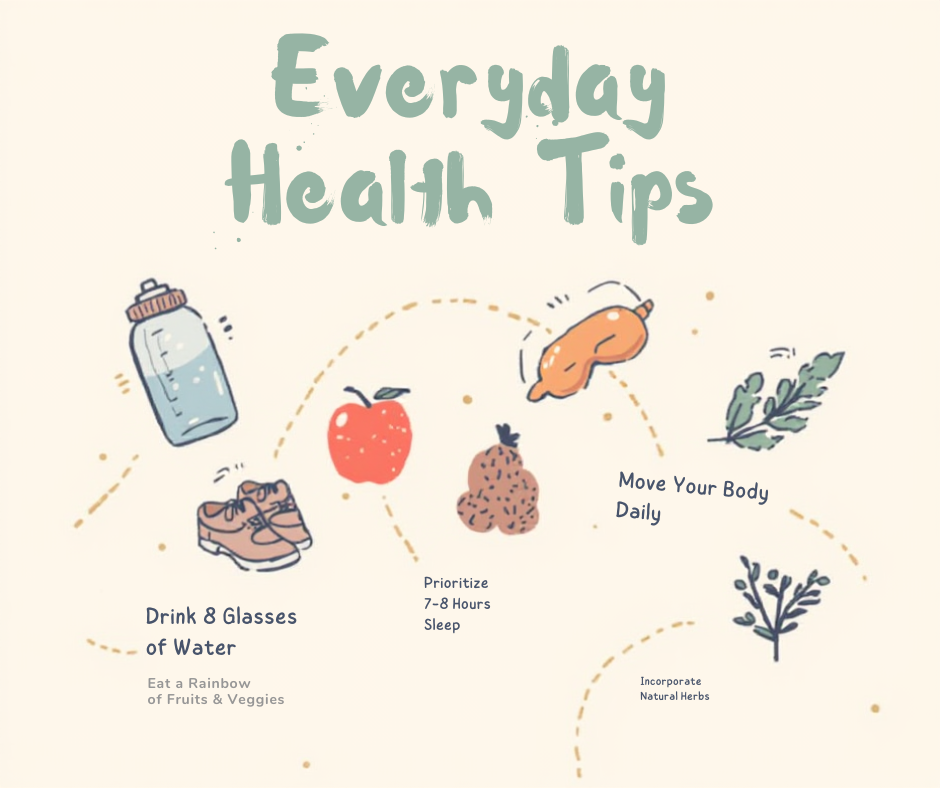
Good health is a foundation for a happy and productive life. Simple daily habits, proper sleep, safe medication use, and good hygiene practices can make a huge difference in how we feel and function every day. In Enugu, like in many parts of Nigeria, residents face health challenges that can often be prevented with simple awareness and lifestyle changes. This article covers everyday health tips, including headache remedies, safe medication use, sleep, healthy habits, and the importance of proper waste disposal in public health.
1. How to Treat Headaches Without Drugs
Headaches are one of the most common health complaints in Enugu and across Nigeria. They can be caused by stress, dehydration, poor posture, eye strain, or even lack of sleep. While medications like paracetamol are commonly used, there are many safe ways to manage headaches naturally.
Practical Tips to Treat Headaches Without Drugs:
- Stay Hydrated: Many headaches are caused by dehydration. Drinking enough water throughout the day can prevent headaches from occurring.
- Rest and Relaxation: Taking a short break or lying down in a dark room can reduce tension headaches.
- Massage: Gently massaging the temples, neck, and shoulders can relieve muscle tension that contributes to headaches.
- Cold or Warm Compress: Applying a cold pack to the forehead or a warm compress to the neck can ease pain.
- Limit Screen Time: Excessive use of phones or computers can strain the eyes and trigger headaches. Take regular breaks.
- Deep Breathing Exercises: Stress is a major trigger for headaches. Deep breathing, meditation, or light yoga can help.
- Balanced Diet: Avoid skipping meals. Low blood sugar can also cause headaches.
These methods are particularly useful for residents in Enugu during the hot Harmattan season, when dehydration and tension headaches are common.
2. The Dangers of Self-Medication in Nigeria
Self-medication is common in Nigeria, including in Enugu, where many people take over-the-counter drugs without consulting a doctor. While it may seem convenient, self-medication can be dangerous and lead to serious health problems.
Risks of Self-Medication:
- Incorrect Dosage: Taking too much medication can harm your liver, kidneys, or other organs.
- Masking Serious Conditions: Self-medicating may hide symptoms of a more serious illness, delaying proper diagnosis.
- Drug Interactions: Some medicines can react with others, causing harmful effects.
- Addiction and Dependence: Some over-the-counter drugs, like painkillers, can become addictive if used excessively.
- Resistance to Antibiotics: Using antibiotics without prescription can lead to bacterial resistance, making infections harder to treat.
Tips to Avoid Self-Medication:
- Always consult a licensed healthcare professional before taking medicine.
- Use medicines only for the conditions they were prescribed for.
- Follow the recommended dosage on the packaging or by a doctor.
- Avoid sharing prescription drugs with others.
By understanding these dangers, residents of Enugu can reduce the risk of complications and ensure better long-term health outcomes.
3. When to Use Paracetamol Safely
Paracetamol is one of the most widely used painkillers in Nigeria. It is effective for headaches, fevers, and mild body pains, but improper use can be harmful.
Safe Use of Paracetamol:
- Follow Dosage Guidelines: Adults should generally not exceed 3,000–4,000 mg per day. Children’s doses depend on weight and age.
- Avoid Mixing with Alcohol: Alcohol can increase the risk of liver damage when combined with paracetamol.
- Check Other Medicines: Some cold and flu medicines also contain paracetamol, so avoid double-dosing.
- Seek Medical Advice: If pain or fever persists for more than a few days, consult a healthcare professional.
Warning Signs of Overuse:
- Nausea and vomiting
- Abdominal pain
- Yellowing of the skin or eyes (jaundice)
Residents in Enugu are advised to treat paracetamol as a helpful tool, not a cure-all, and to combine it with lifestyle adjustments like rest, hydration, and balanced nutrition.
4. How Much Sleep Do You Really Need?
Sleep is essential for physical and mental health. Many people in Enugu, especially students and working adults, do not get enough sleep, which can lead to fatigue, poor concentration, and long-term health problems.
Recommended Sleep Hours:
- Adults (18–64 years): 7–9 hours per night
- Teenagers (14–17 years): 8–10 hours per night
- Children (6–13 years): 9–11 hours per night
- Young Children & Infants: 10–14 hours, including naps
Tips for Better Sleep:
- Maintain a consistent sleep schedule.
- Avoid caffeine and heavy meals before bedtime.
- Keep your bedroom dark and quiet.
- Limit phone or TV use at night.
- Engage in light exercise during the day.
Getting enough sleep strengthens the immune system, improves memory, and helps manage stress. Sleep deprivation, common in busy urban areas of Enugu, can also contribute to headaches and other health problems.

5. Simple Daily Habits for a Healthy Life
Everyday health is built on small, consistent habits. Residents in Enugu can improve overall wellness with a few practical routines.
Healthy Daily Habits:
- Drink Enough Water: Staying hydrated supports digestion, skin health, and energy levels.
- Eat Balanced Meals: Include fruits, vegetables, proteins, and whole grains.
- Exercise Regularly: Walking, jogging, or light exercise keeps the heart healthy.
- Practice Good Hygiene: Wash hands regularly, especially before meals.
- Limit Junk Food: Avoid excessive fried and sugary foods to prevent obesity, diabetes, and heart disease.
- Take Breaks and Manage Stress: Short breaks during work or study reduce tension and improve productivity.
- Monitor Health Regularly: Check blood pressure, sugar levels, and weight.
By adopting these habits, people in Enugu can prevent common illnesses like malaria, hypertension, obesity, and digestive issues. Small changes every day lead to big results over time.
6. Waste Disposal and Public Health in Enugu
Public health is closely linked to sanitation and waste management. Improper waste disposal in Enugu contributes to diseases like malaria, typhoid, and cholera.
Tips for Proper Waste Management:
- Use Bins and Bags: Always throw waste into proper bins and avoid open dumping.
- Separate Waste: Keep biodegradable and non-biodegradable waste separate.
- Composting: Organic waste can be turned into compost for gardening.
- Community Cleanups: Join or organize local clean-up campaigns to keep neighborhoods healthy.
- Government Support: Report areas with poor waste collection to local authorities.
Health Benefits:
- Reduces mosquito breeding and risk of malaria.
- Minimizes exposure to harmful bacteria and viruses.
- Keeps streets and homes clean, improving mental well-being.
Residents in Enugu are encouraged to take personal responsibility and work with community initiatives to ensure proper sanitation. Public health improves when everyone plays their part.
Conclusion
Everyday health is achievable through simple, practical steps. From treating headaches naturally, using paracetamol safely, and avoiding self-medication, to getting enough sleep, adopting healthy daily habits, and practicing proper waste disposal, these actions can make a major difference in the well-being of Enugu residents.
Health is a combination of lifestyle, awareness, and environment. By following these tips, residents can prevent common illnesses, strengthen their bodies and minds, and enjoy a higher quality of life. Remember, prevention is always better than cure—so small changes today lead to a healthier tomorrow.