


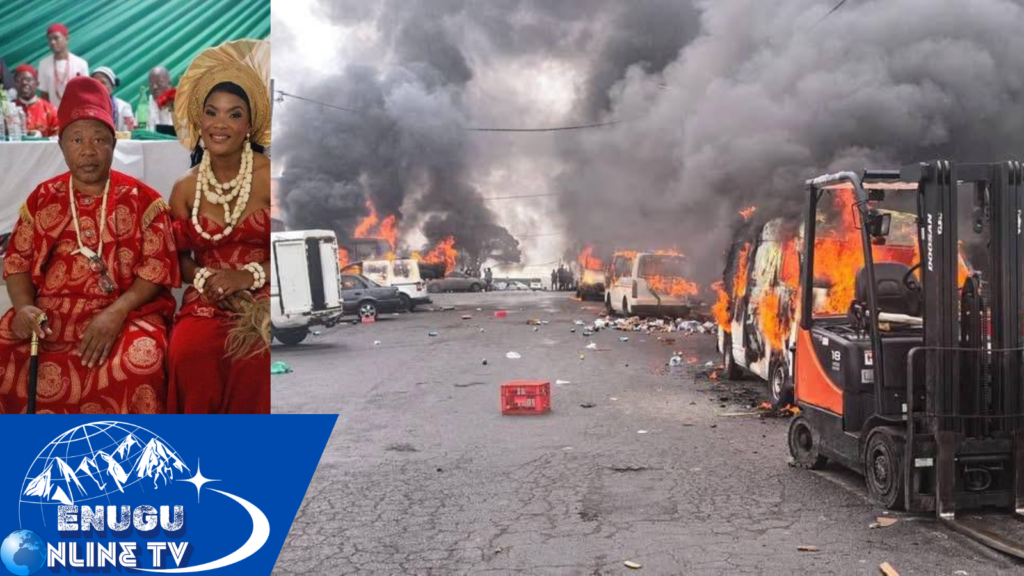
Tensions are gradually calming in KuGompo City, Eastern Cape, South Africa, following a violent protest sparked by the alleged coronation of Nigerian Igbo leader Solomon Ogbonna Eziko as “Igwe Ndigbo” (King of the Igbo people) in the area.
The protest, organised by groups including the March and March movement and supported by political parties and traditional leaders, initially began as a peaceful march but quickly turned chaotic.
What Triggered the Crisis
The unrest started after videos circulated online showing Eziko being crowned as a traditional ruler in KuGompo City (formerly East London).
This development sparked outrage among local residents and traditional authorities, who argued that:
- The coronation was illegal and not recognised under South African law
- It undermined local traditional leadership structures
- It was seen by some as a threat to sovereignty and cultural authority
Government officials and cultural bodies in the Eastern Cape also distanced themselves from the ceremony, calling it unlawful and inappropriate.
Protest Turns Violent
What began as a demonstration soon escalated into widespread violence:
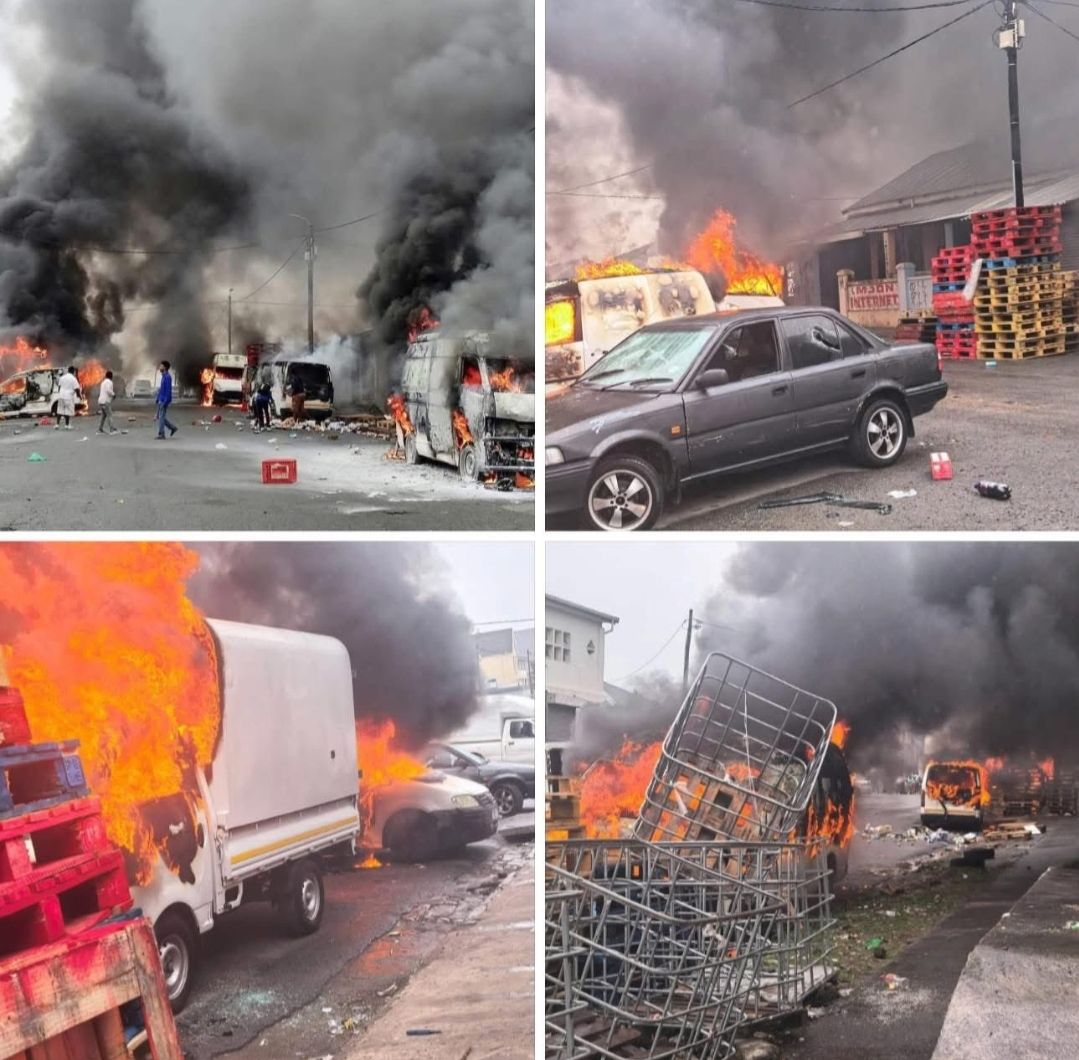
- At least 10–12 vehicles were damaged or set on fire
- Several buildings and foreign-owned businesses were vandalised
- Police used rubber bullets, stun grenades, and tear gas to disperse crowds
- Reports indicate that a stabbing incident may have intensified tensions
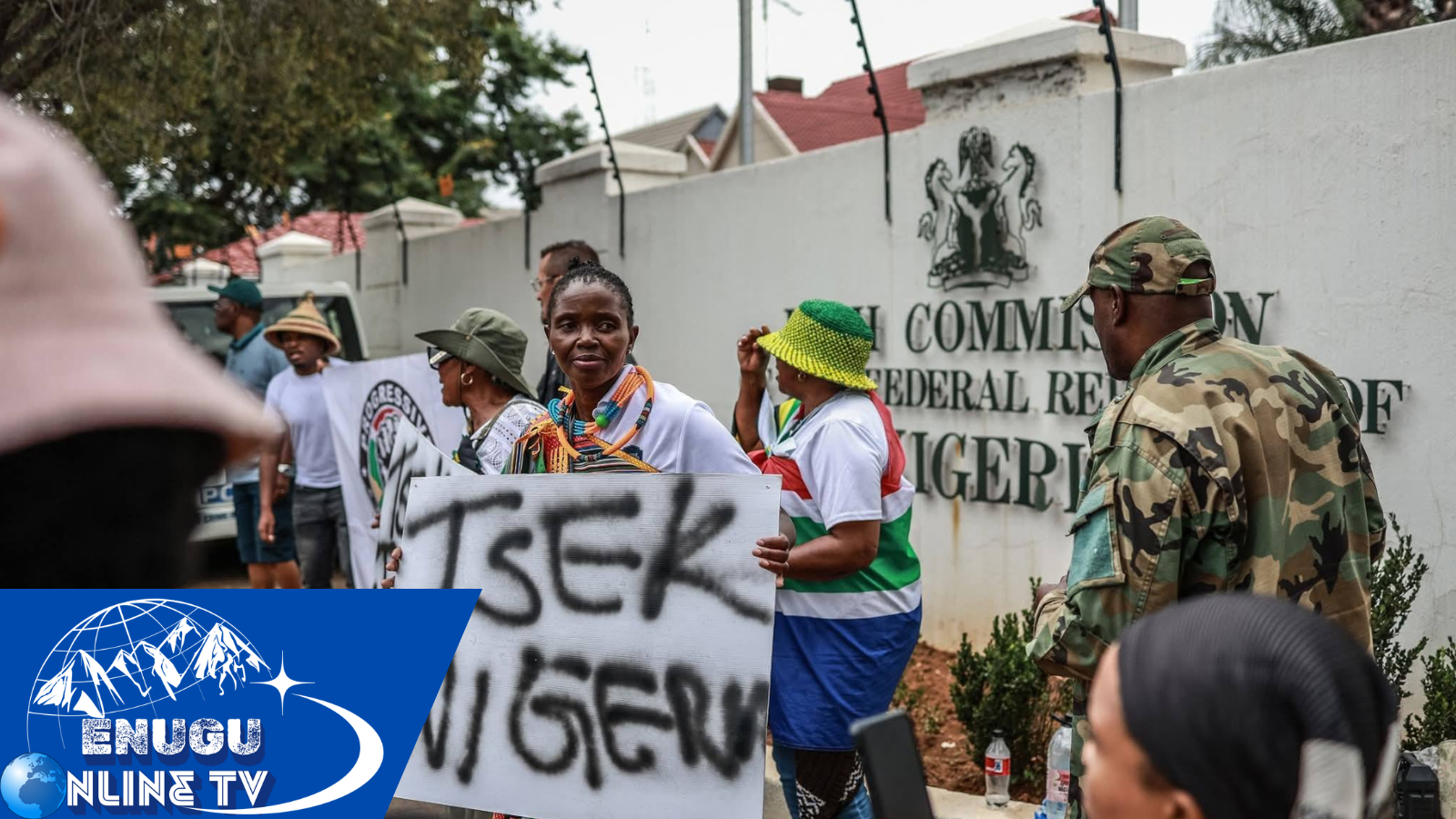

Protesters also blocked roads and forced businesses in the city centre to shut down.
Some demonstrators described the coronation as a “provocation” and even a “declaration of war,” reflecting how emotionally charged the situation became.
Anti-Foreigner Sentiment
A key dimension of the protest was rising anger over immigration.
Some groups used the protest to express broader frustrations about the following:
- The presence of foreign nationals in local communities
- Economic competition (especially small businesses)
- Perceived lack of government control over immigration
This led to attacks on businesses believed to be owned by foreigners, raising concerns about xenophobia.
Government and Diplomatic Response
Authorities moved quickly to contain the crisis:
- Police increased deployment to restore order
- Provincial leaders condemned both the coronation and the violence
- The Nigerian High Commission reportedly described the event as a cultural celebration, not a political claim
Officials warned that such incidents could destabilize social cohesion if not properly addressed.
Situation Now: Tensions Easing
According to recent updates (including the one you shared from eNCA):
- Calm is gradually returning to KuGompo City
- Protesters have regrouped at City Hall
- A memorandum is expected to be submitted to authorities
- Security presence remains high to prevent further violence

Key Takeaways
- The crisis was triggered by a controversial cultural coronation
- It escalated into violent protests and property destruction
- The incident exposed deep tensions around immigration and identity
- Authorities are now working to restore order and address grievances
Final Thought
This situation goes beyond just a coronation, it highlights deeper issues in South Africa around cultural authority, migration, and social tension.
If not carefully managed, similar incidents could happen again, especially in communities where economic hardship and identity concerns are already high.