


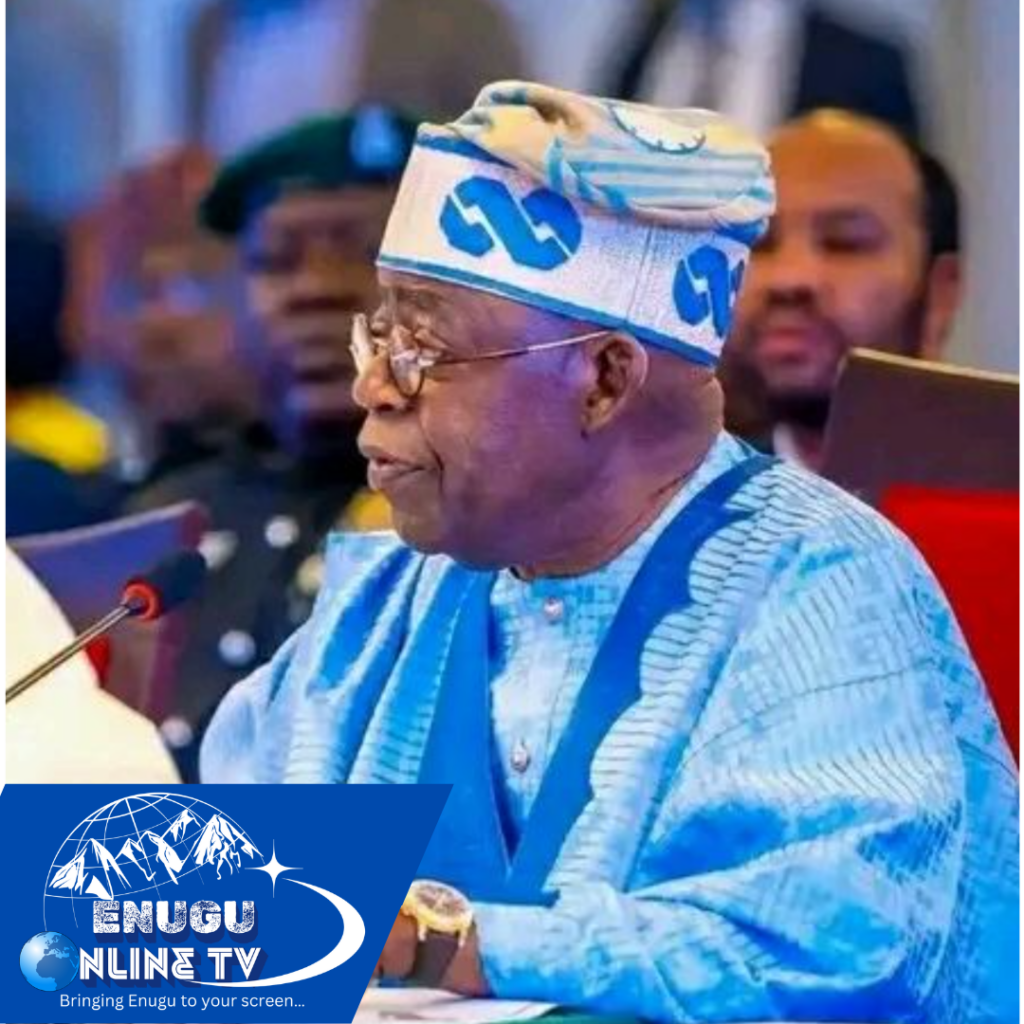
Nigeria’s Senate has approved a fresh external borrowing request of $6 billion submitted by President Bola Ahmed Tinubu, raising fresh concerns and discussions about the country’s growing debt profile.
The approval was granted on Tuesday after the Senate, led by Senate President Godswill Akpabio, read and deliberated on the president’s request during plenary. The process moved swiftly, with lawmakers giving their nod just a few hours after the letter was presented.
The borrowing request was considered following the submission of a report by the Senate Committee on Local and Foreign Debts, chaired by Aliyu Wamakko. The committee recommended approval after reviewing the proposed loan structure and intended use.
According to details contained in the President’s letter, the $6 billion loan is targeted at key sectors of the economy. A major portion—$5 billion—is expected to be sourced from First Abu Dhabi Bank, while the remaining $1 billion will be used specifically for the rehabilitation of critical port infrastructure, including the Lagos Port Complex and Tin Can Island Port.
The Federal Government says the funds will be channeled into infrastructure development, servicing of existing debts, and revitalization of key economic assets, particularly in the maritime sector. Officials argue that improving port facilities will enhance trade efficiency, reduce congestion, and boost revenue generation.
However, the new loan approval has further increased Nigeria’s total public debt stock from approximately $110.3 billion to about $115.3 billion, according to government estimates. This development is likely to intensify ongoing debates among economists and citizens about the sustainability of Nigeria’s rising debt and its long-term impact on the economy.
While government authorities maintain that the borrowing is necessary to stimulate growth and fix critical infrastructure gaps, critics continue to call for greater transparency, improved revenue generation, and prudent spending to ensure that borrowed funds translate into tangible benefits for Nigerians.