







Electricity Distribution Companies (DisCos) across Nigeria have expressed serious concern over a growing trend of customer resistance to electricity bill payments. This comes after the Enugu State Electricity Regulatory Commission (EERC) recently slashed Band A electricity tariffs from ₦209/kWh to ₦160/kWh.
According to the DisCos, while the price cut applies only to Enugu State, customers in other parts of the country are now demanding similar reductions. Some have even stopped paying their bills altogether, claiming they will not resume payment until their own tariffs are reduced.
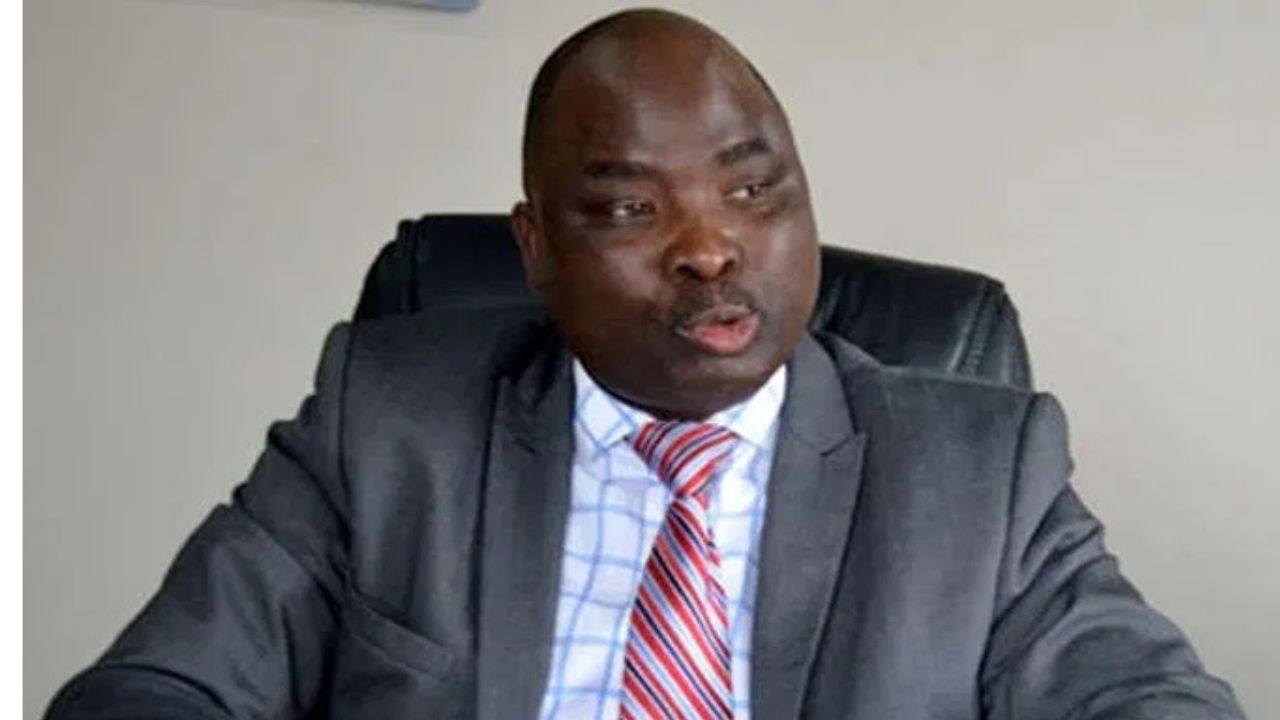
The Chief Executive Officer of the Association of Nigerian Electricity Distributors (ANED), Sunday Oduntan, issued a statement warning that the situation could destabilize Nigeria’s already fragile electricity sector.
“Following the EERC’s decision, DisCos in other states are under serious pressure to cut tariffs. Some customers are outrightly refusing to pay their bills, which threatens the financial health of the sector,” Oduntan said.
He acknowledged the public’s desire for cheaper electricity but emphasized that tariffs are set based on cost reflective principles meaning they are tied to the actual cost of generating and supplying electricity, and reflect the broader economic conditions of the country.
Oduntan criticized the EERC for announcing the tariff reduction without proper coordination with the Nigerian Electricity Regulatory Commission (NERC) or other market stakeholders. He warned that such isolated actions create public confusion and undermine national electricity policies.
“The tariff cut, though well intentioned, was done without involving NERC and other operators. This has disrupted the market and could weaken investor confidence,” he added.
DisCos also warned that the tariff reduction in Enugu was made possible largely due to government subsidies. They noted that if these subsidies are not properly funded or delayed, it could severely affect the financial flow across the electricity value chain.
Oduntan revealed that as of now, power generation companies and gas suppliers are owed nearly ₦5 trillion, and delays in subsidy payments are putting the entire power supply chain at risk.
“Subsidies must be clear, transparent, and promptly funded. Otherwise, they create major disruptions that hurt everyone in the industry,” he said
Referencing Minister of Power Bayo Adelabu, Oduntan reminded that any state choosing to lower tariffs must be prepared to cover the cost of the resulting subsidy. He also emphasized that most Nigerian states are already struggling with financial burdens and cannot absorb additional subsidy responsibilities.
“We all support making electricity affordable, but it must be done in a way that won’t collapse the sector,” Oduntan said, calling for policy alignment across federal and state levels.
Meanwhile, the Enugu State Electricity Regulatory Commission (EERC) has responded to the backlash, insisting that its decision was carefully calculated and only applies to Enugu State.
Reuben Okoye, EERC’s Commissioner for Electricity Market Operations, said that the cut was based on an in depth review of Main Power’s operational costs in Enugu. He stressed that the commission did not alter the cost of power from the national grid, but only adjusted the charges specific to Enugu’s power distributor.
“Our order ensures MainPower recovers all its legitimate costs and makes a fair profit. The tariff is fully aligned with what is required for a sustainable electricity supply in Enugu,” Okoye clarified.
He emphasized that EERC is committed to building a transparent, accountable, and locally sustainable electricity market, and the commission will continue to review tariffs based on utility data and economic conditions.
The current backlash and payment resistance following the Enugu tariff cut have raised serious questions about coordination in Nigeria’s electricity regulation. DisCos warn that unless urgent steps are taken particularly regarding subsidy funding and regulatory alignment the country’s electricity sector could face deeper financial strain and instability.
While Enugu’s tariff cut benefits local consumers, it has sparked a nationwide ripple effect, forcing regulators and power providers to reconsider how best to balance affordability with sustainability.