










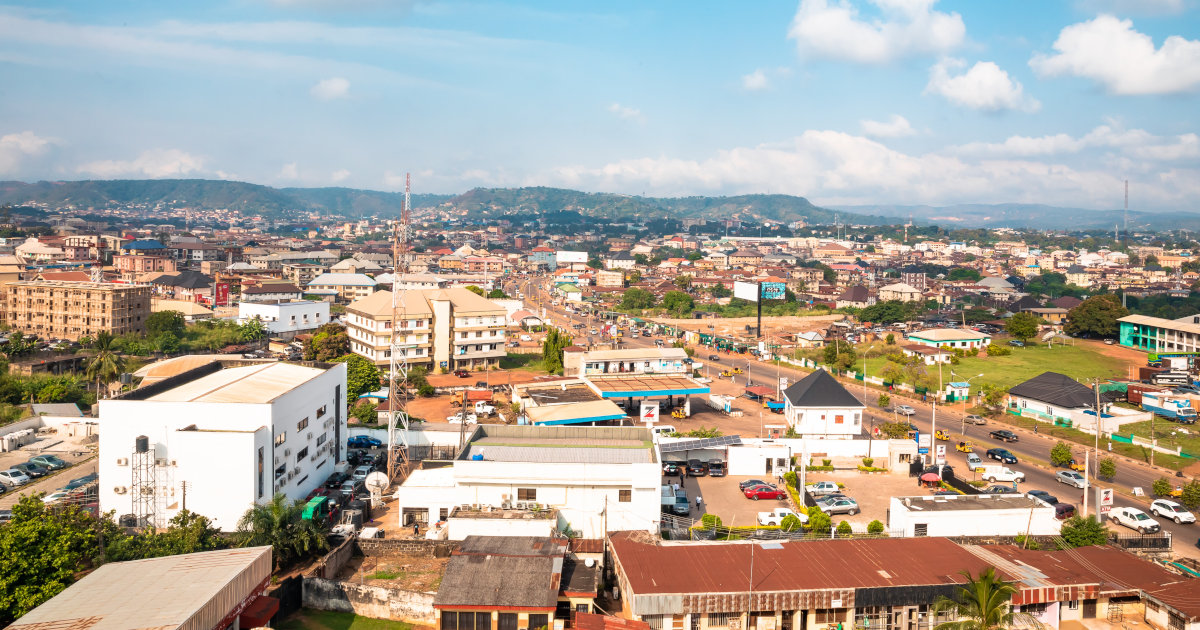
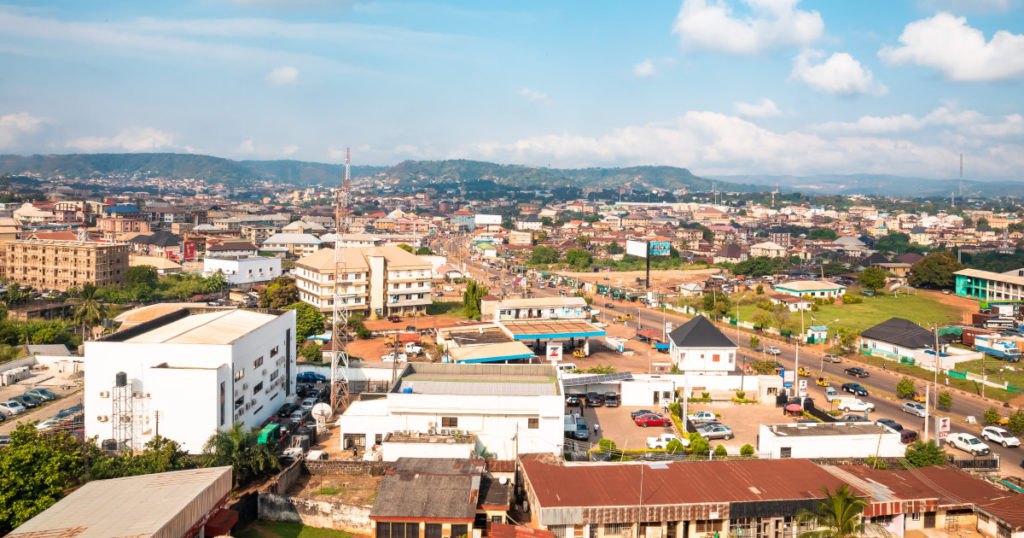
Enugu State, located in southeastern Nigeria, has a rich and fascinating history that spans centuries. The history of Enugu State is closely intertwined with the discovery and exploitation of coal, which played a significant role in the development of both the state and the entire Nigerian nation.
Prior to the arrival of the British colonialists, the area that is now Enugu State was inhabited by several indigenous communities, including the Igbo people. These communities had their unique cultural practices, political systems, and economic activities. Agriculture was the mainstay of the local economy, with yam, cassava, palm produce, and other crops being cultivated.
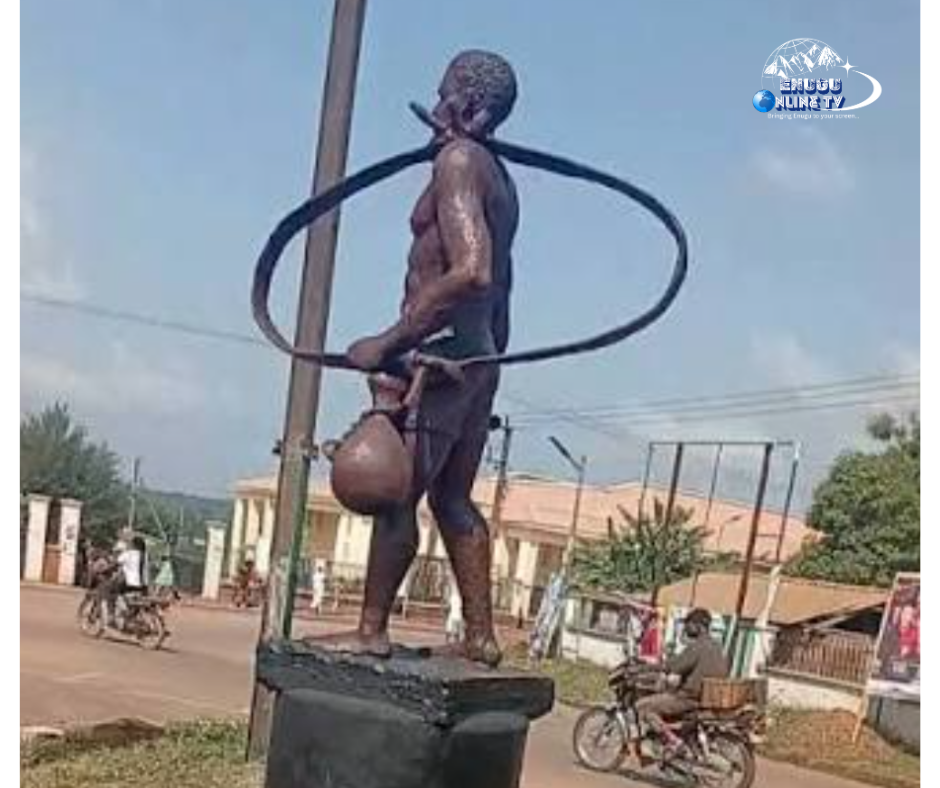
The turning point in Enugu State's history came in 1909 when coal was discovered in the Udi Ridge by a British mining engineer named Albert Ernest Kitson. This discovery led to the establishment of the first coal mines in the region, and the subsequent influx of British and other European settlers. The colonial administration quickly recognized the economic potential of the coal deposits and commenced large-scale mining operations.
Enugu, which means "hilltop" in the Igbo language, was strategically located at the heart of the coal mining region, and it rapidly grew into a major mining town. The British established a railway line to transport the coal from Enugu to the coastal city of Port Harcourt for export. The coal industry boomed, attracting migrants from different parts of Nigeria and beyond, leading to the formation of a multicultural and cosmopolitan society in Enugu.
Enugu became the capital of the Eastern Region in 1938, further solidifying its importance in the colonial administration. The city witnessed significant infrastructural development, including the construction of roads, hospitals, schools, and government buildings. The Enugu Colliery, one of the largest coal mines in West Africa, became a major employer and contributed significantly to the Nigerian economy.
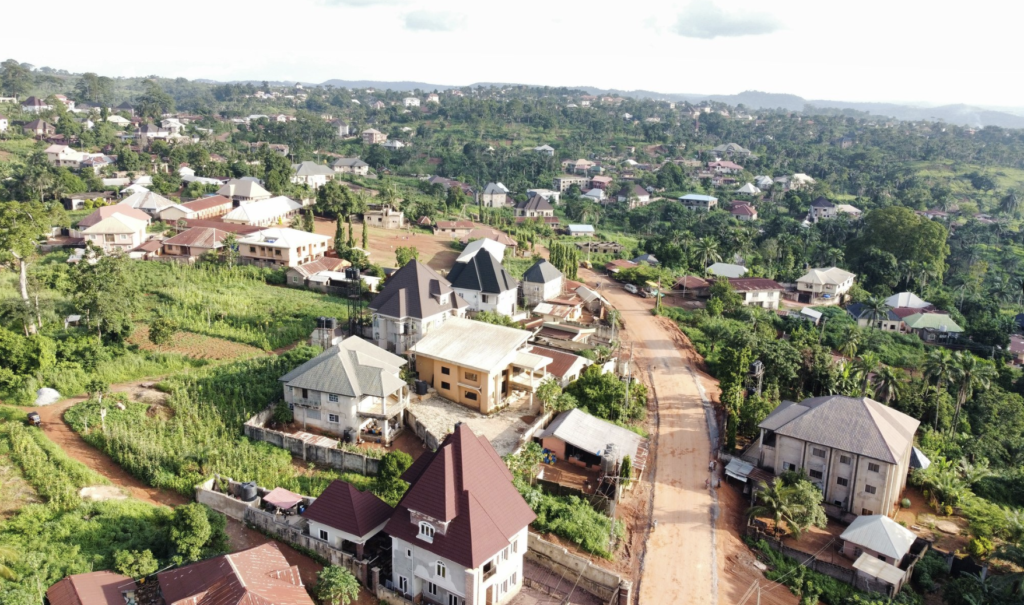
However, the history of Enugu State also includes moments of political and social upheaval. In 1950, the coal miners embarked on a major strike demanding better working conditions and wages. This strike, known as the Enugu Colliery Strike, was a pivotal moment in the struggle for workers' rights in Nigeria and ultimately led to the formation of trade unions and the birth of organized labor movements.
Enugu State continued to play a prominent role in the fight for Nigerian independence. Notable political figures such as Nnamdi Azikiwe, who later became Nigeria's first president, emerged from Enugu and championed the cause of self-governance.
Following Nigeria's independence in 1960, Enugu State became a part of the Eastern Region. However, the state witnessed a turbulent period during the Nigerian Civil War (1967-1970) when the region declared itself the Republic of Biafra. Enugu, as the capital of the secessionist state, was a major battleground during the conflict. The war resulted in significant destruction and loss of life in the state.
After the civil war, Enugu State was reestablished and continued to be a significant center of commerce, industry, and government. The coal industry, however, began to decline in the 1970s due to the discovery of oil in other parts of Nigeria and the subsequent shift in the country's economic focus.
In recent years, Enugu State has experienced renewed economic growth and development in various sectors, including agriculture, manufacturing, and services. The state government has made efforts to diversify the economy and attract investments, promoting sectors such as tourism, education, and healthcare.
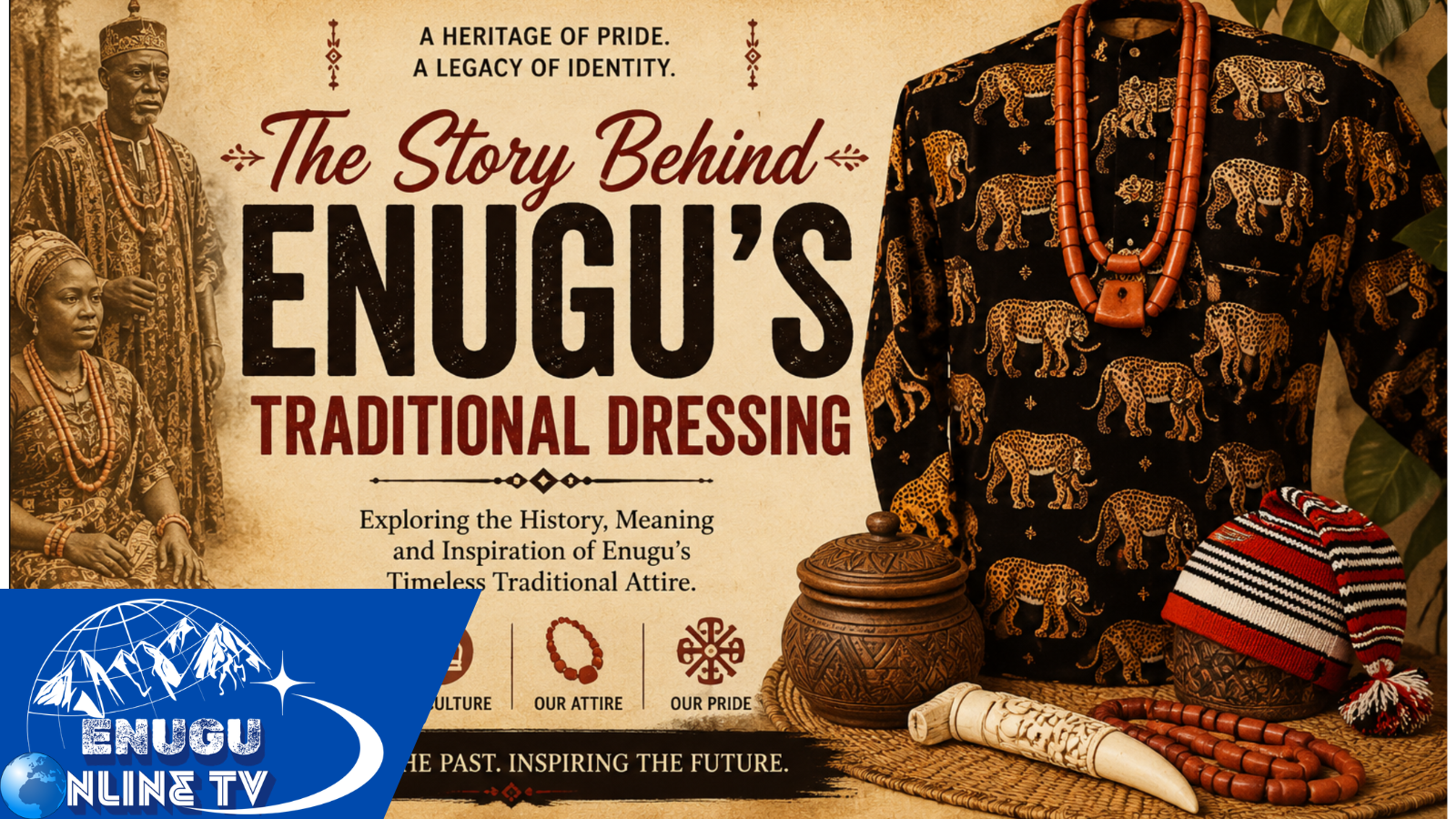
Today, Enugu State remains an important cultural, political, and economic hub in southeastern Nigeria. It boasts a vibrant mix of traditional and modern influences and continues to be known for its coal mining heritage, rich cultural festivals, and warm hospitality.