






-1200x675.webp)

Introduction
The history of slavery in Enugu is connected to the wider history of slavery in Igbo land and Nigeria as a whole. Before colonial rule, during the trans-Atlantic slave trade, and even after slavery was officially abolished, different forms of slavery and forced labor existed in the area that is today called Enugu State.Understanding this history helps us see how society changed over time and how past systems still affect people today.
Slavery in Igbo Society Before Europeans
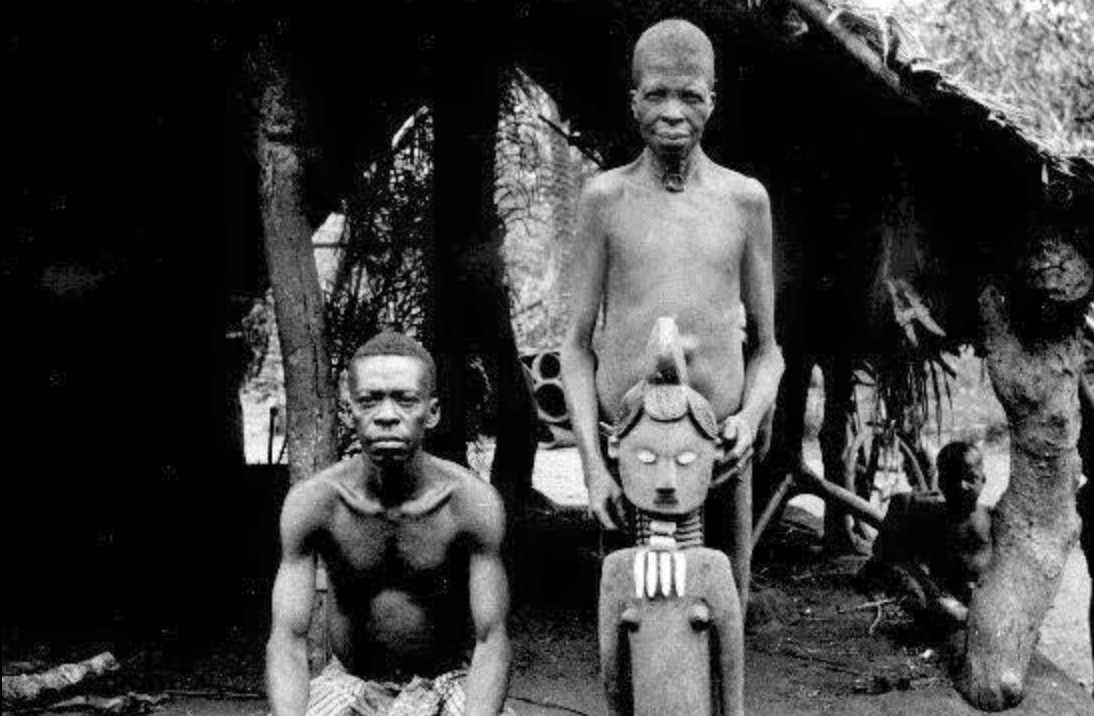
Before Europeans arrived, the people of present-day Enugu were mainly Igbo. In traditional Igbo society, there was a form of slavery, but it was not exactly the same as the slavery practiced in America.
Most slaves were:
- War captives
- People who were kidnapped
- People sold because of debt
- People given as punishment for crimes
These slaves were called “ohu.” They usually worked for their masters in farming, household work, or trade.
However, Igbo slavery was different in some ways:
- Slaves could sometimes marry.
- Some could gain freedom.
- Some became trusted members of the household.
Even though it was not always as brutal as plantation slavery in the Americas, slaves still had low social status. They were often seen as outsiders and could face discrimination.
The Trans-Atlantic Slave Trade (15th–19th Century)
The biggest change came when Europeans arrived along the coast of West Africa in the 15th century. Portuguese, British, and other European traders began buying slaves from African middlemen.
Although Enugu is inland, it was connected to the slave trade through trade routes that led to coastal areas like Bonny and Calabar. People from Igbo communities, including areas that are now part of Enugu State, were captured and sold into the trans-Atlantic slave trade.
Many Igbo people were taken to:
- The Caribbean
- The United States
- South America
In fact, historians say a large percentage of enslaved Africans taken to Virginia in the United States were Igbo.
During this period:
- Some local leaders participated in selling captives.
- Raids and wars increased because people wanted to capture others to sell.
- Fear and insecurity spread across communities.
Families were broken apart, and many villages were destroyed. This period caused deep social damage that lasted for generations.
The End of the Slave Trade and British Rule
In the 19th century, Britain officially abolished the slave trade (1807) and later slavery itself (1833). However, slavery did not immediately end in Igbo land.
When the British gradually took control of southeastern Nigeria in the late 1800s, they began to stop slave trading activities. They also worked to end domestic slavery.
By the early 20th century, when Enugu became important because of coal mining (after coal was discovered in 1909), slavery as a legal institution had mostly ended.
However, something new began: forced labor under colonial rule.
Forced Labor During Colonial Period
Although the British said they had ended slavery, many Africans were forced to work under harsh conditions.
In Enugu, coal mining started in 1915. The mines became one of the most important industries in Nigeria.
Many workers:
- We're poorly paid
- Worked in dangerous conditions
- Had little protection
While this was not slavery in the traditional sense, the conditions were often very harsh and exploitative.
A major event connected to this was the 1949 coal miners’ protest at the Iva Valley mine in Enugu. Workers were protesting poor treatment and unfair wages. Colonial police shot and killed several miners. This tragedy increased anger against colonial rule and strengthened Nigeria’s independence movement.
Social Effects of Slavery in Enugu
Even after slavery officially ended, its social effects remained.
In some Igbo communities, including parts of Enugu State, descendants of former slaves (ohu) sometimes faced discrimination. For example:
- They might not be allowed to marry into certain families.
- They could be excluded from leadership roles.
- They might face social stigma.
Although modern law does not recognize such discrimination, in some rural communities these attitudes have continued quietly for generations.
Today, many people in Enugu strongly oppose this discrimination and work to end it completely.
Modern Forms of Slavery
Slavery in the old sense no longer exists in Enugu State. However, like many places around the world, modern forms of exploitation can still occur, such as:
- Human trafficking
- Forced labor
- Child labor
These problems are illegal and are being fought by the Nigerian government and international organizations.
Cultural Memory and Healing
The history of slavery in Enugu is not always openly discussed, but it is an important part of the region’s past.
Some families still remember stories of:
- Ancestors who were taken away
- Ancestors who were labeled as slaves
- Communities affected by raids
At the same time, Enugu has grown into a modern and peaceful state. Education, urbanization, Christianity, and modern law have helped reduce the power of old social divisions.
Many young people today do not accept the old discrimination linked to slavery and are working toward equality and unity.
Conclusion
The history of slavery in Enugu State includes:
- Traditional slavery (ohu system) in pre-colonial Igbo society
- The trans-Atlantic slave trade, which took many Igbo people overseas
- Colonial-era forced labor, especially in coal mines
- Social discrimination that lasted even after slavery ended
Although slavery officially ended long ago, its effects were deep and long-lasting. Today, Enugu is known more for its education, culture, and history as the “Coal City” than for slavery.
Learning about this past helps people understand where they came from and why equality and justice are so important today.
If you would like, I can also provide academic references or turn this into an essay format suitable for school submission.