








Commercial drivers in Enugu State have increased transport fares by about 10 percent after the recent rise in fuel prices across Nigeria.
A visit to different parts of Enugu showed that many school children, traders, and artisans had to walk to their destinations because of the sudden increase in transport fares.
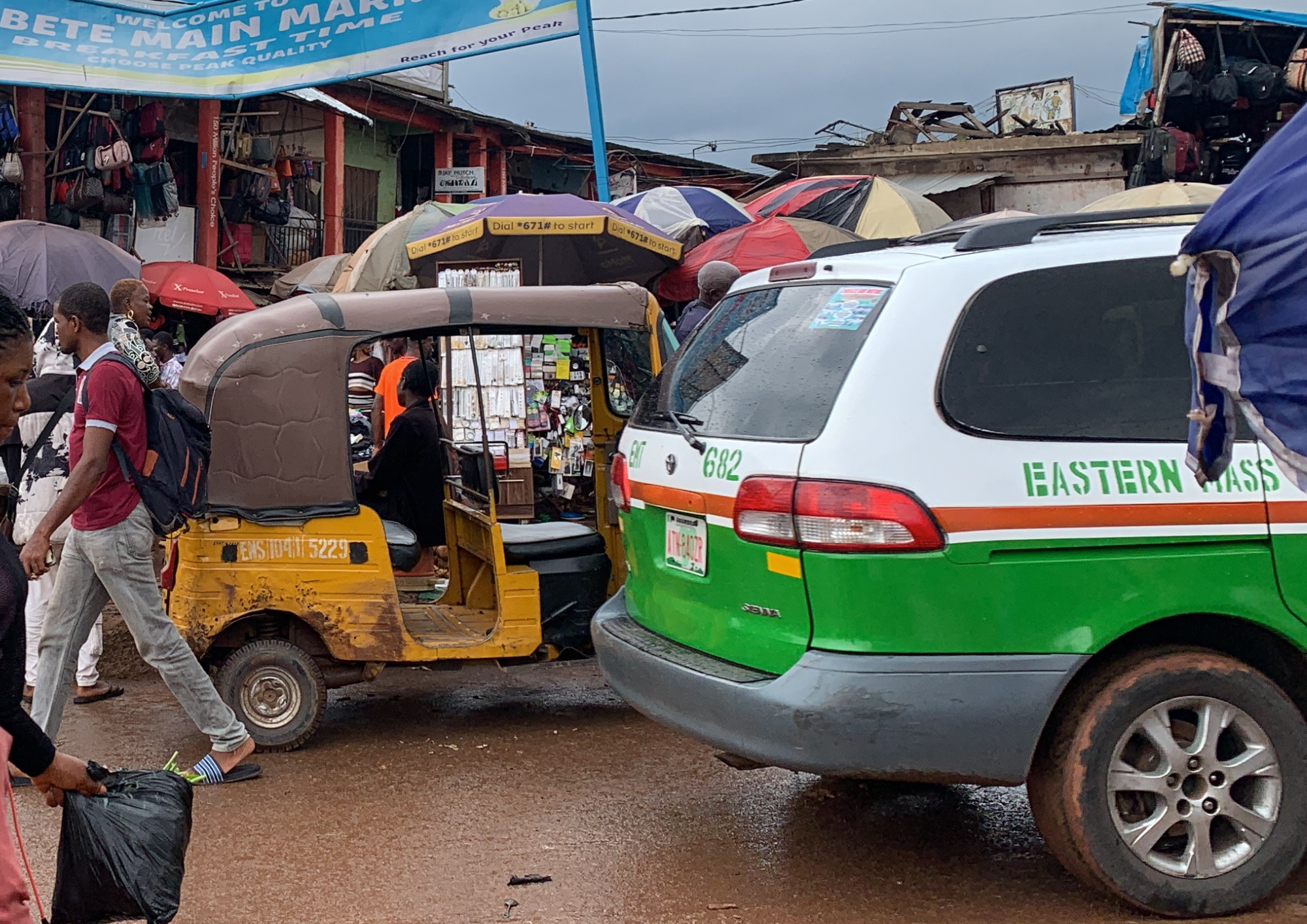
For example, the transport fare from Gariki to Aria New Market, which used to cost ₦500, increased to ₦600 on Monday. Also, the fare from Meniru Bus Stop to Ogbete Market went up from ₦500 to ₦600.
In the same way, passengers traveling from Amechi Junction to the gate of the Institute of Management and Technology now pay ₦500 instead of the previous ₦400.
Bus and tricycle operators in Abakpa have also added ₦100 to their usual fares. A similar situation was noticed in Emene, where some drivers have started increasing fares because of the high cost of fuel.
Many residents said they were surprised by the sudden increase.
A petty trader at Kenyatta Market, Franca Onyemechi, said she did not know that fuel prices had increased.
She said she paid ₦200 for transport on Saturday, but drivers asked for ₦300 on Monday. According to her, the increase was unfair and difficult for ordinary people.
A student of the University of Nigeria, Chibuike Eze, also complained about the situation. He said he usually paid ₦300 from Mayor Junction to the campus gate, but drivers increased the fare to ₦400.
However, a commercial driver, Joseph Nwaba, explained that drivers increased fares because fuel had become more expensive.
He said he bought fuel for ₦1,200 on Sunday evening, and later that day many filling stations stopped selling petrol. He added that fuel was being sold for as much as ₦1,500 on the black market and warned that transport fares might increase again before the end of the week.
At the moment, only a few filling stations are selling petrol, raising fears that the situation could become worse in the coming days.
There were also fewer vehicles on the roads than usual in some busy parts of the city. Even Holy Ghost Transport Park, which is normally very busy, had fewer vehicles and passengers.
Many commuters who were unaware of the fuel situation were left stranded at bus stops because commercial drivers and tricycle operators insisted on the new transport fares.