
















Historical Background
Afor Awkunanaw Market is one of the significant traditional markets in Enugu State, Nigeria. Its history is deeply intertwined with the cultural and economic development of the Awkunanaw community, which is a part of the larger Igbo ethnic group. The market operates on Afor days, one of the four traditional Igbo market days, which also include Eke, Nkwo, and Orie. This market cycle reflects the traditional Igbo calendar, where each market day holds particular significance and occurs every four days.
Establishment and Early Years
Even though the exact year that Afor Awkunanaw Market was founded is unknown, its roots can be found in pre-colonial times. The market was created as a hub for the interchange of goods and services amongst the community's farmers, artisans, and traders. Its site was purposefully chosen to provide a handy and accessible trading arena for the Awkunanaw population and the neighboring areas.
Colonial Era Developments
During the colonial period, the British administration recognized the importance of local markets in the economic life of the Igbo people. Afor Awkunanaw Market, like many others, saw improvements in infrastructure to facilitate better trade conditions. The colonial government often provided better access roads, improved security, and sometimes even regulated market activities to ensure smooth operations. These improvements helped boost the market's popularity and accessibility, attracting traders from neighboring regions.
Post-Independence Growth
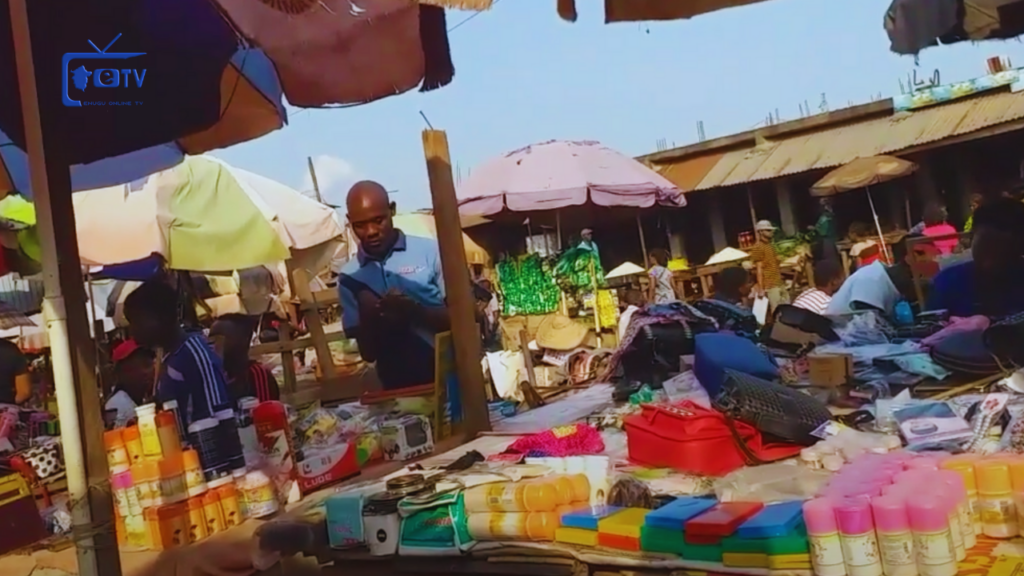
After Nigeria gained independence in 1960, Afor Awkunanaw Market continued to grow and expand. The market benefited from post-independence economic policies that aimed at fostering local industries and agriculture. As Enugu developed into a more urbanized area, the market adapted to the changing economic landscape, incorporating more diverse goods and services. The market's role as a central trading hub became even more pronounced as it began to cater to the increasing population of Enugu and its environs.
Modern Day Afor Awkunanaw Market
Today, Afor Awkunanaw Market remains a vital part of Enugu's economy and cultural heritage. It is known for its vibrant atmosphere and the wide variety of goods available. The market specialises in agricultural produce such as yams, cassava, vegetables, and fruits, which are brought in by local farmers. Additionally, it features sections for clothing, household items, traditional crafts, and other consumer goods.
The market continues to hold cultural relevance by using the conventional Afor day mode of operation. Every four days, this recurring operation guarantees that the market is a hive of activity while simultaneously protecting traditional Igbo trade customs. The market's devotion to customs aids in maintaining the Awkunanaw community's and the greater Igbo population's cultural identity in Enugu State.
Cultural and Social Impact
Afor Awkunanaw Market, it is more than just a commercial hub; it is a cultural and social gathering place. The market days serve as occasions for social interaction, where people from different communities come together, exchange news, and strengthen social bonds. The market also plays a crucial role in the transmission of cultural values and traditions, as it provides a platform for the display and sale of traditional crafts and foods.
The Afor Awkunanaw Market, in summary, is evidence of the Igbo people of Enugu State's persistent cultural and economic traditions. Because of its history, conventional markets have shown themselves to be resilient and adaptable to shifting economic conditions. Because the market is still relevant in today's world, it is critical to protect cultural heritage while promoting economic development.