



















One of the biggest and oldest marketplaces in Enugu State is Ogbete Main Market, which is located right in the center of the city. The rich history and development of the area are indicative of the wider socio-economic shifts that have occurred in the previous 100 years in the area.
Early Beginnings
Ogbete Market's origins date back to the early 20th century, during the colonial era. The establishment of the market was closely linked to the development of Enugu as a colonial administrative and commercial center. Enugu's growth was significantly influenced by the discovery of coal in the Udi Hills in 1909, which led to the establishment of coal mines and the subsequent influx of workers and traders.
Colonial Period
Ogbete Market functioned as a major business destination for both domestic and foreign traders throughout the colonial era. The market was ideally situated next to the railroad, which was useful for moving coal and other cargo. Because of its close proximity to the railroad, the market's significance as a commercial hub increased as people and commodities moved more easily.

The market initially started as a small gathering of traders selling agricultural produce, livestock, and handmade goods. Over time, it expanded to include a wider variety of goods, reflecting the increasing economic activity in Enugu and the surrounding areas.
Post-Colonial Expansion
Ogbete Market expanded much further as Enugu developed into a political and commercial hub after Nigeria gained independence in 1960. During this time, the market saw substantial growth as more merchants opened up business and a wider variety of goods were available. It developed into a hub for the delivery of commodities to other regions of southeast Nigeria as well as inside Enugu.
Modernization and Growth
In the latter half of the 20th century, Ogbete Market underwent several phases of modernization to accommodate the growing population and the increasing volume of trade. Infrastructure improvements were made, including the construction of more permanent stalls and the introduction of basic amenities such as water supply and sanitation facilities.
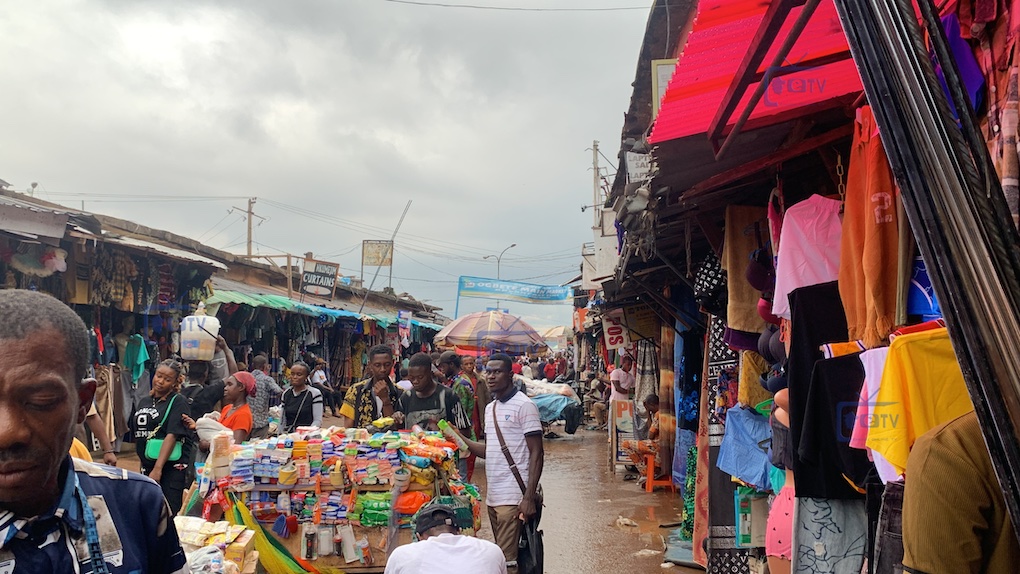
The variety of products on offer was another indicator of the market's modernity. It remained a significant hub for cattle and agricultural products, but it also developed into a shopping destination for electronics, waers, home goods, and other commodities. The reputation of Ogbete Market as a one-stop shop for a variety of products was strengthened by this diversification.
Cultural and Economic Impact
Ogbete Main Market has always been more than just a commercial hub; it is also a cultural melting pot. The market attracts traders and buyers from diverse ethnic backgrounds, making it a vibrant and dynamic place. It plays a crucial role in sustaining traditional crafts and local industries by providing a platform for artisans and small-scale manufacturers to sell their products.
Ogbete Market makes a substantial economic contribution to the community. Thousands of individuals, including traders, artisans, laborers, and transporters, can find work thanks to it. Many farmers and suppliers who depend on the market as their main sales channel for their commodities also rely on it for their live.
Challenges and Resilience
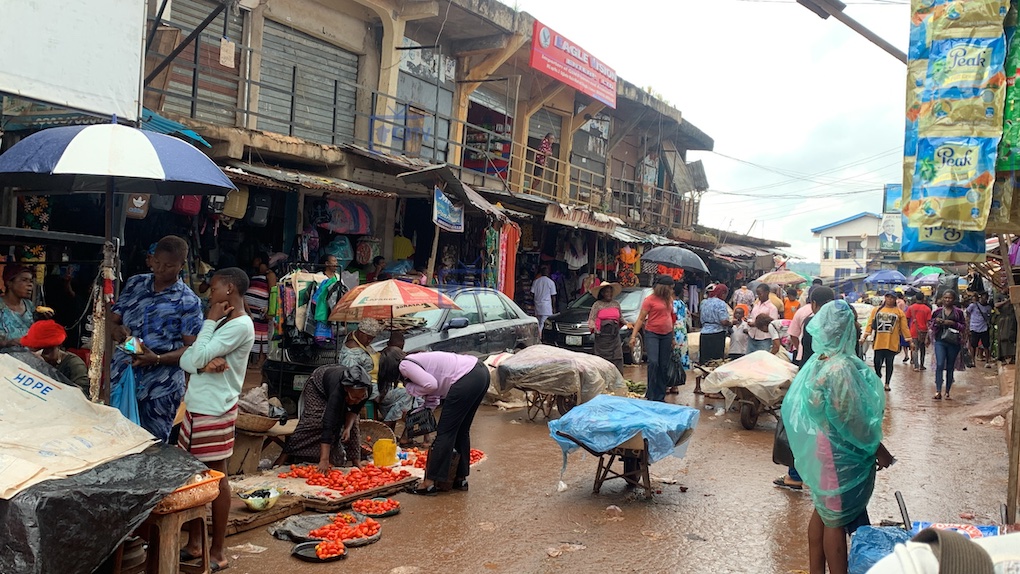
Despite its successes, Ogbete Market has faced several challenges over the years. These include issues related to overcrowding, infrastructural decay, and periodic incidents of fire outbreaks. The market has also had to contend with the pressures of modernization and competition from newer, more modern shopping complexes.
On the other hand, Ogbete Market's adaptability and evolution demonstrate its resilience. Periodic restorations and enhancements to increase safety and functionality have been made possible by the efforts of market groups and the government. The market's ongoing appeal is evidence of its pivotal position in Enugu State's social and economic life.
Conclusion
Ogbete Main Market stands as a symbol of Enugu's historical and economic journey. From its humble beginnings in the colonial era to its current status as a major commercial center, the market has played a pivotal role in shaping the economic landscape of Enugu State. Its rich history, cultural significance, and economic contributions make it an indispensable part of the region's identity.
Ogbete Market is probably going to stay at the center of Enugu's economic activity as it grows and develops, embracing new possibilities and challenges while maintaining its rich historical history.