



















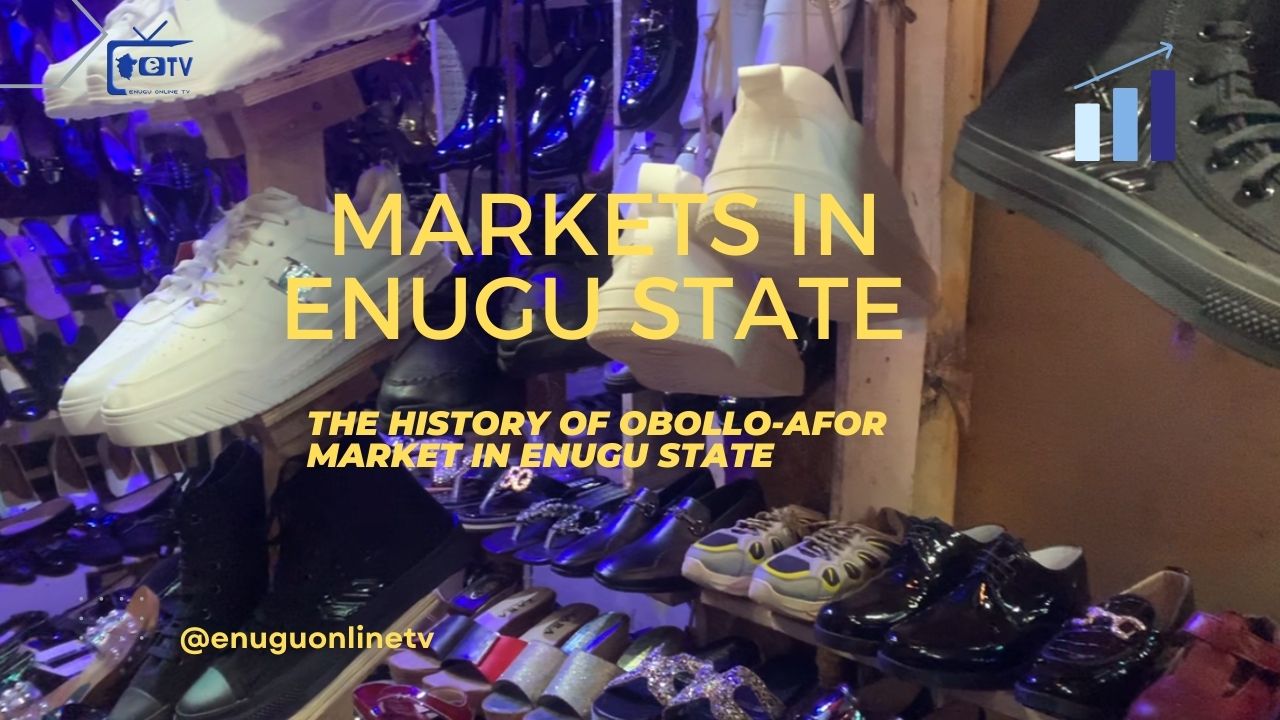
Obollo-Afor Market, located in (Nsukka) Udenu Local Government Area of Enugu State, is one of the most significant markets in the northern part of the state. This market has a rich history that is deeply intertwined with the local culture and economy, serving as a major trading hub for both local and regional merchants. Let's move into the details of Obollo-Afor Market.
Historical Background
The early 20th century is when Obollo-Afor Market first appeared. Due to the oral nature of historical record-keeping in the area, exact dates are frequently difficult to determine, although it is generally accepted that the market started to take shape in the 1920s. It was built as a hub for local trade where the native inhabitants of Obollo and the neighbouring towns could congregate and trade products and services.
Economic Significance
Initially, the market served primarily agricultural purposes, where farmers would bring their produce, such as yams, cassava, maize, and various vegetables, to trade. Over time, the market grew in size and scope, attracting traders from neighbouring regions and states. This growth was fueled by the strategic location of Obollo-Afor along major transportation routes that connected Enugu with other parts of Nigeria.
Obollo-Afor Market was a thriving commercial center by the middle of the 20th century, providing a variety of goods like as textiles, livestock, household items, and more. The area's growing population and the growing need for a variety of goods are to blame for its growth.
Cultural and Social Impact
The Obollo-Afor market is not just a center for economic activities; it also plays a crucial role in the social and cultural life of the community. Market days are vibrant events that draw people from various walks of life. These gatherings provide opportunities for social interaction, cultural exchange, and community bonding. Traditional practices and customs are often observed during market days, reflecting the rich cultural heritage of the Igbo people.
Modern Developments
The Obollo-Afor Market has developed further in the last few decades. Better market facilities and road networks have improved the infrastructure's usability and accessibility. There are currently sections of the market dedicated to different kinds of goods, such as apparel, electronics, and fresh vegetables. It runs every day, with market days being the busiest times for activity.The market's continued relevance in contemporary times is a testament to its adaptability and enduring importance to the people of Udenu and beyond. Local government initiatives have also played a role in supporting the market's growth, ensuring it remains a vital part of the region's economy.
Challenges and Future Prospects
Obollo-Afor, like many other traditional markets in Nigeria, has to contend with issues like inadequate infrastructure, competition from contemporary supermarkets, and unstable economic conditions. It is able to overcome these obstacles, meanwhile, because of its deeply ingrained cultural significance and pivotal position in the regional economy.
Efforts to modernize and expand the market are ongoing, with plans to improve facilities and services to better meet the needs of traders and buyers. There is also a growing emphasis on preserving the cultural heritage associated with the market, ensuring that it remains a vibrant and integral part of the community for future generations.
Conclusion
In Enugu State, Obollo-Afor Market is a significant historical and cultural site. Its early 20th-century beginnings signal the start of its transformation from a small trading location to a significant commercial center. It has evolved over time to meet shifting economic realities while holding onto distinctive cultural customs. Its continued prosperity today is evidence of the resilient spirit of trade and community in Enugu State.
Consult your local archives and official publications for further information on Obollo-Afor Market, including in-depth historical accounts and up-to-date information on the market.