


-1200x675.webp)














By Isaac Mission
The Enugu State Government has called on wealthy individuals, influential Nigerians and private organisations to support public health facilities in their communities through sustained investment and partnerships.
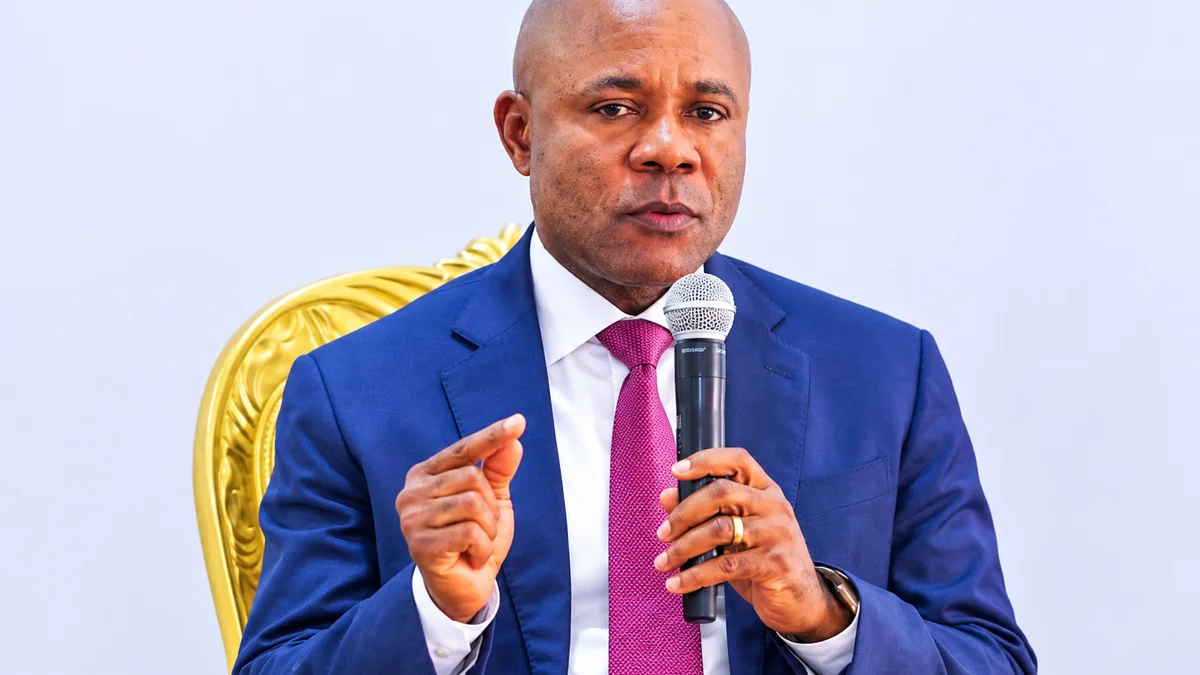
The State Commissioner for Health, Prof. George Ugwu, made the appeal in Enugu on Sunday while explaining his proposed Community Health Stewardship model, an approach aimed at strengthening healthcare delivery through greater community involvement.
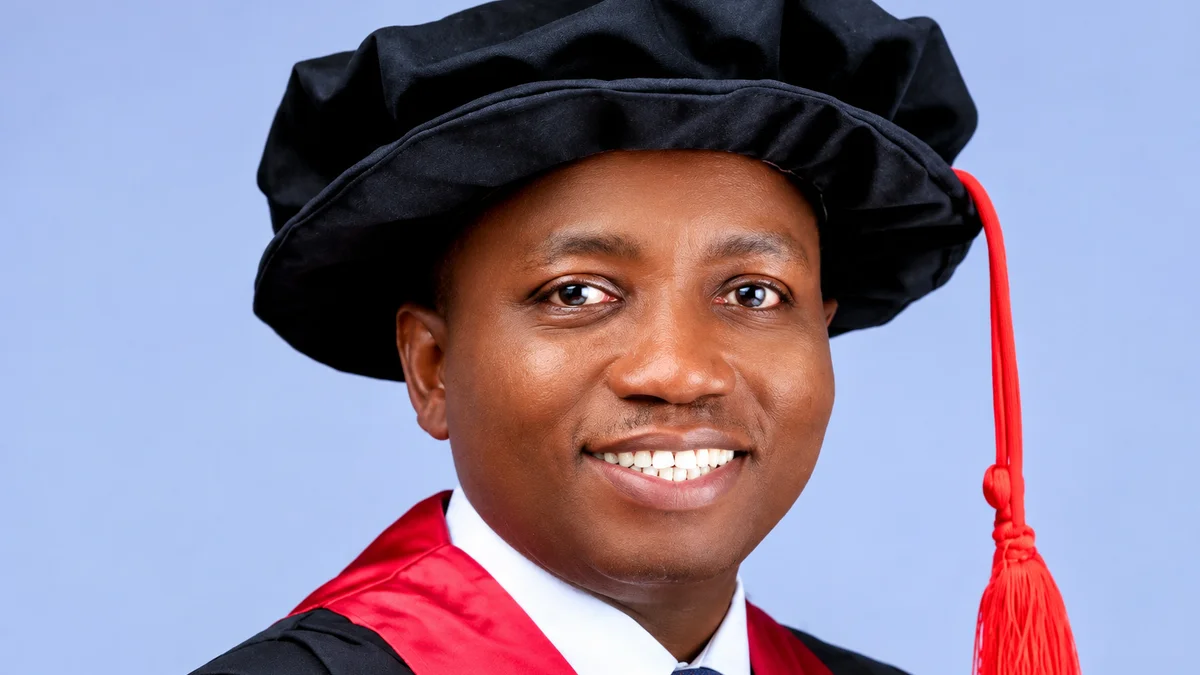
Ugwu, a Professor of Obstetrics and Gynaecology, presented the model as part of his 251st inaugural lecture at the University of Nigeria, Nsukka (UNN), titled “The Mother, the Child and the State: My Triumphant Journey from Evidence to Action.”
According to him, community participation and private-sector support could complement government funding and help improve the quality and accessibility of healthcare services at the grassroots.
He stressed the need for vulnerable groups, including women, young people, persons living with disabilities, poor families and residents of marginalised communities, to have strong representation in decisions affecting their access to healthcare.
The commissioner also called for deliberate measures to protect healthcare workers, improve the use of health data and ensure that information gathered from the health system is converted into measurable benefits for patients and communities.
Ugwu noted that the major medical factors responsible for maternal and newborn deaths are already well established. He identified skilled assistance during childbirth, prompt emergency obstetric and newborn care, access to blood transfusion, safe surgical procedures, newborn resuscitation, family planning and appropriate postnatal services as important interventions for reducing preventable deaths.
He, however, pointed out that medical knowledge alone cannot solve the persistent challenges of maternal and newborn mortality.
The commissioner explained that even an effective medical intervention would have little impact if a pregnant woman could not reach a health facility, the required service was unavailable, healthcare workers lacked essential equipment, families could not afford treatment, or health institutions failed to learn from previous shortcomings.
Ugwu, who has more than two decades of experience as a research clinician, has contributed extensively to public health and clinical medicine and has more than 70 academic publications to his name.
He maintained that stronger collaboration between government, communities, individuals and the private sector would help bridge gaps in healthcare delivery and ensure that quality services reach those who need them most.
-1200x675.webp)