















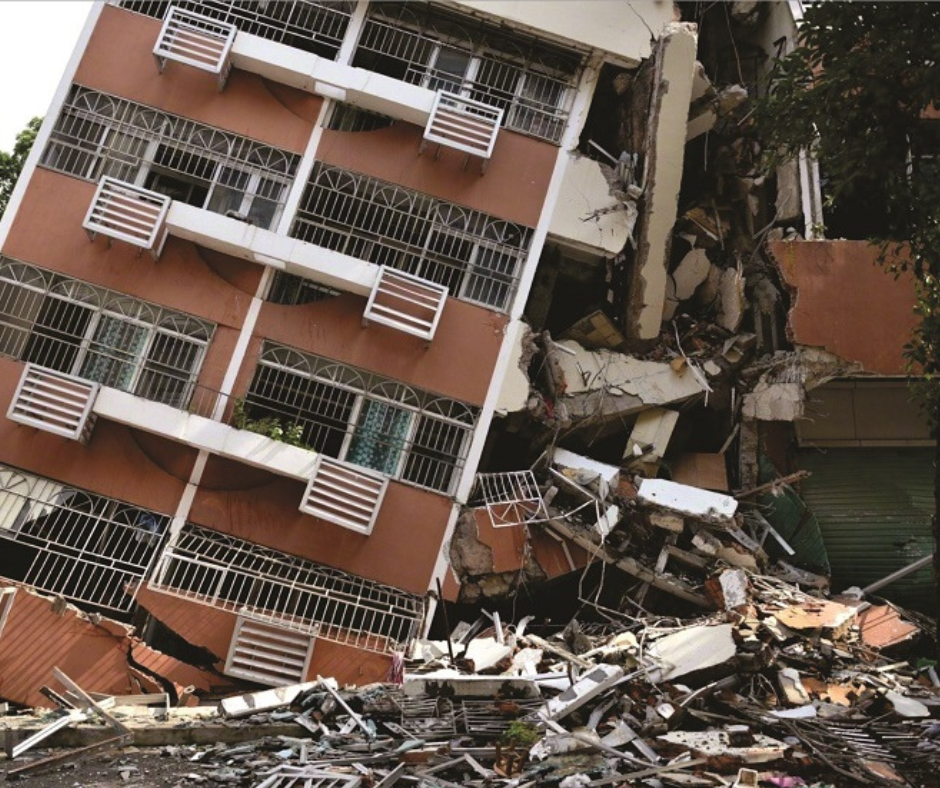
The Nigerian Institute of Building has blamed the frequent collapse of buildings across Nigeria on the use of poor-quality materials, the involvement of unqualified workers, and the failure to follow approved building designs.
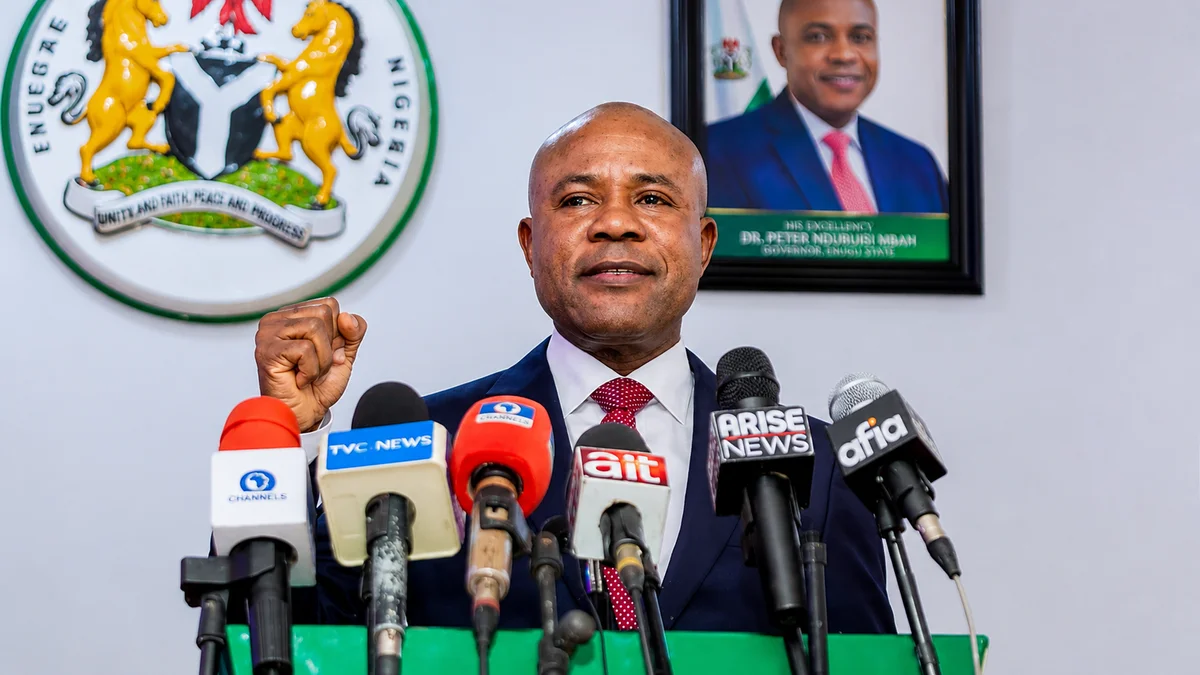
The chairman of the institute in Enugu State, Gyok Luka, made this statement on Monday in Enugu during a press briefing held to mark the 2026 Builders’ Week.
Luka expressed serious concern over the increasing number of building collapses and structural failures reported in different parts of the country. He said such incidents threaten lives and property and also reduce public trust in the construction industry.
According to him, investigations into many building collapse cases have shown that the major causes include poor construction management, the use of substandard building materials, lack of professional supervision, and the involvement of people who are not properly trained in construction work.
“The institute is deeply worried about the repeated cases of building collapse and structural failures being reported in different parts of the country,” Luka said. “These incidents continue to endanger lives and property and also damage public confidence in the construction sector.”
The chairman also reaffirmed the institute’s commitment to promoting professionalism, ethical conduct, and the use of proper standards in building construction. He stressed that stronger regulation and monitoring are needed at every stage of building development.
Luka called on government regulatory agencies to increase inspections and enforce existing laws to ensure that developers follow the National Building Code.
He also emphasized the need for registered professional builders to be involved in the management and supervision of construction projects.
According to him, professional builders are trained to coordinate every stage of the building process, including proper planning, quality control, cost management, and compliance with regulatory standards.
Luka further called for policy reforms that would strengthen institutions in the construction sector and encourage accountability and cooperation among professionals and other stakeholders.
He also encouraged the adoption of sustainable construction methods, such as energy-efficient building designs, climate-friendly construction techniques, and the use of environmentally responsible materials.
The NIOB chairman added that the institute is ready to work closely with the state government, regulatory bodies, and other stakeholders to promote safe, sustainable, and high-quality building practices across the country.