







By Isaac Mission
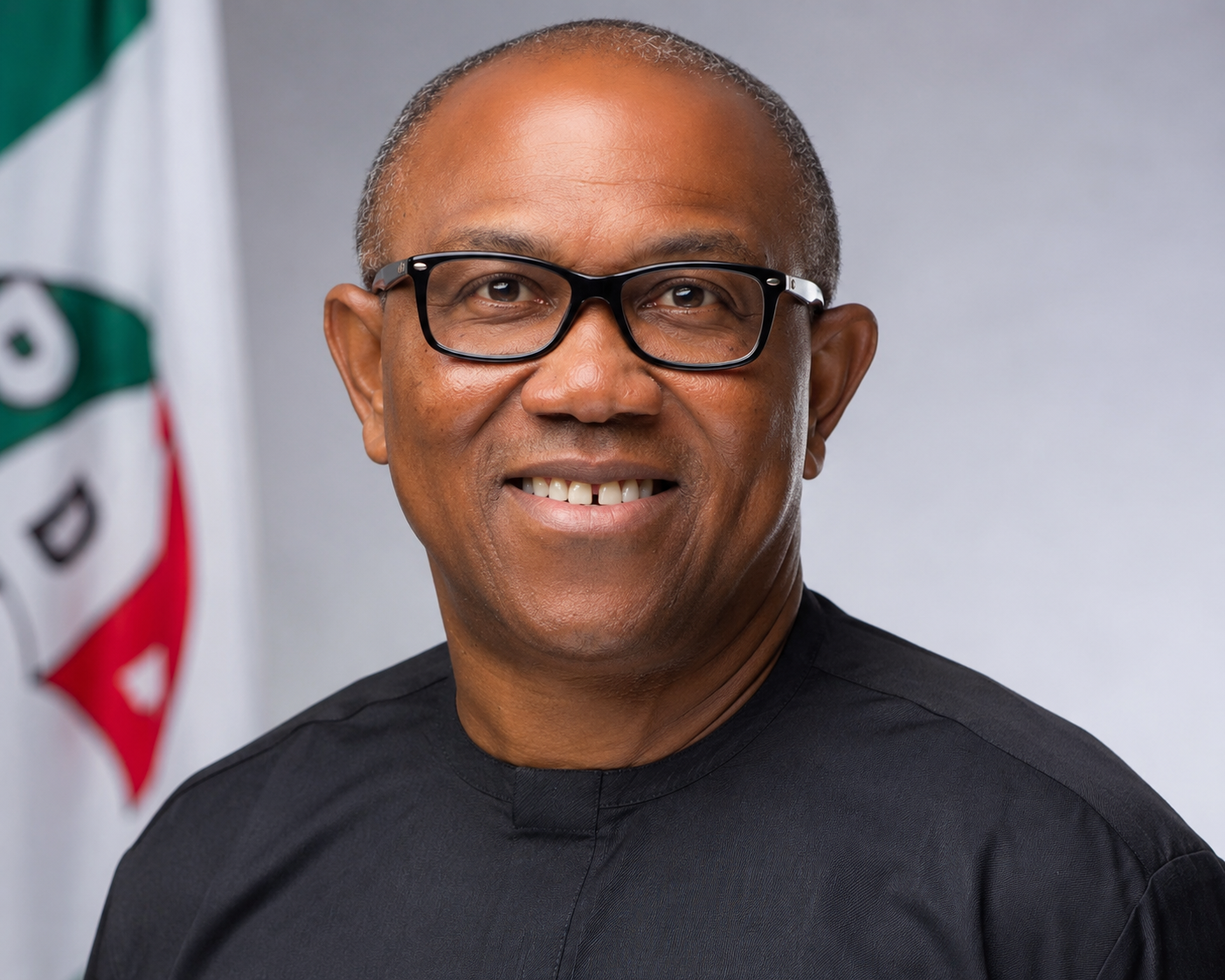
The presidential candidate of the Nigeria Democratic Congress (NDC), Peter Obi, has raised concerns over what he described as the growing deterioration of Nigeria’s democratic institutions.
Obi accused some members of the judiciary, legislature, legal profession and religious community of contributing to practices that, according to him, are weakening democratic values and undermining public confidence in the country’s political system.
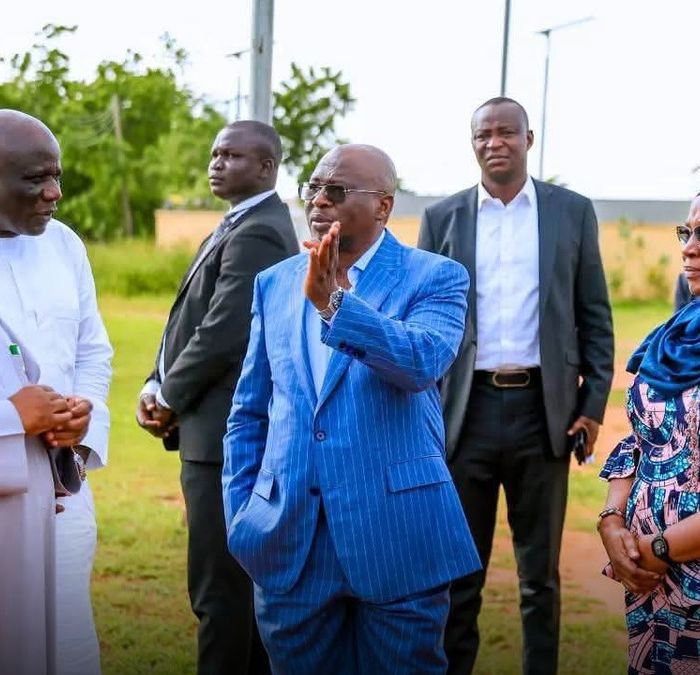
He spoke on Tuesday in Bauchi State at the 2026 Goodluck Jonathan Foundation Democracy Dialogue, which brought together political leaders, constitutional experts and civil society representatives to discuss the future of democracy in Nigeria and Africa.
The dialogue was held under the theme, “Beyond Elections: Can Political Parties and the Judiciary Save African Democracy?”
Reflecting on his previous legal battles, Obi recalled that he spent three years challenging his election as Anambra State governor and received favourable decisions from judges with whom he said he had no prior relationship.
He argued that such judicial independence has become increasingly difficult to find in Nigeria today.
Obi said five judges initially ruled in his favour despite never having met him, adding that another panel at the Court of Appeal also delivered a favourable judgment without any personal connection to him.
He contrasted those experiences with what he described as troubling developments within Nigeria’s democratic system.
According to him, the credibility of elections is being threatened by individuals and institutions that should ordinarily protect democratic standards.
Obi also criticised the legislature over electoral laws and questioned the involvement of some legal practitioners in cases involving alleged electoral misconduct.
He further expressed concern about the role of some religious leaders in politics, accusing them of offering support and prayers to politicians facing serious allegations.
“We have a crisis,” Obi declared while describing the situation.
The former Anambra governor also expressed concern about the judiciary, suggesting that political interests were increasingly influencing institutions expected to serve as impartial defenders of constitutional democracy.
He called on Nigerians to look beyond individual politicians and political parties and focus on the broader institutional weaknesses threatening the country’s democratic development.
Obi warned that practices tolerated by society today could eventually become deeply entrenched and negatively affect future generations.
He stressed the need for Nigerians to reverse the trend before the consequences become more difficult for the country and its younger population to overcome.
The comments come as political parties and aspirants intensify preparations for the 2027 general elections, amid continuing debates over electoral credibility, judicial independence and accountability within Nigeria’s political system.
The Democracy Dialogue was chaired by former President Olusegun Obasanjo and attended by former President Goodluck Jonathan, former Vice-President Namadi Sambo and Bauchi State Governor Bala Mohammed.
The gathering also featured constitutional experts, political stakeholders and civil society representatives who examined ways of strengthening democratic institutions and preventing democratic decline in Nigeria and across Africa.