


By Peace Orjiani
The Dangote Petroleum Refinery has reduced its ex-gantry price for Premium Motor Spirit (petrol) to ₦1,200 per liter, a major shift in Nigeria’s fuel market.
According to multiple reports, the new price reflects a drop of about ₦75 from the previous rate of around ₦1,275 per liter.
The refinery also reviewed its coastal price to approximately ₦1,153 per liter, a move expected to influence fuel distribution costs, especially for marketers supplying products through marine routes.
Industry analysts say the price reduction represents a downward review of the refinery’s pricing structure, despite ongoing pressure from global oil markets. The decision comes at a time when geopolitical tensions, particularly in the Middle East, continue to push crude oil prices upward globally.
The price adjustment is expected to have a ripple effect across Nigeria’s downstream petroleum sector. Marketers who source products locally from the Dangote Refinery may experience lower landing costs, which could potentially lead to slight reductions in pump prices if the savings are passed on to consumers.
Nigeria has been facing high fuel costs recently, driven by global oil price volatility and supply challenges. Even with the refinery operating at large capacity, local fuel prices have remained elevated due to the high cost of crude oil and foreign exchange pressures.
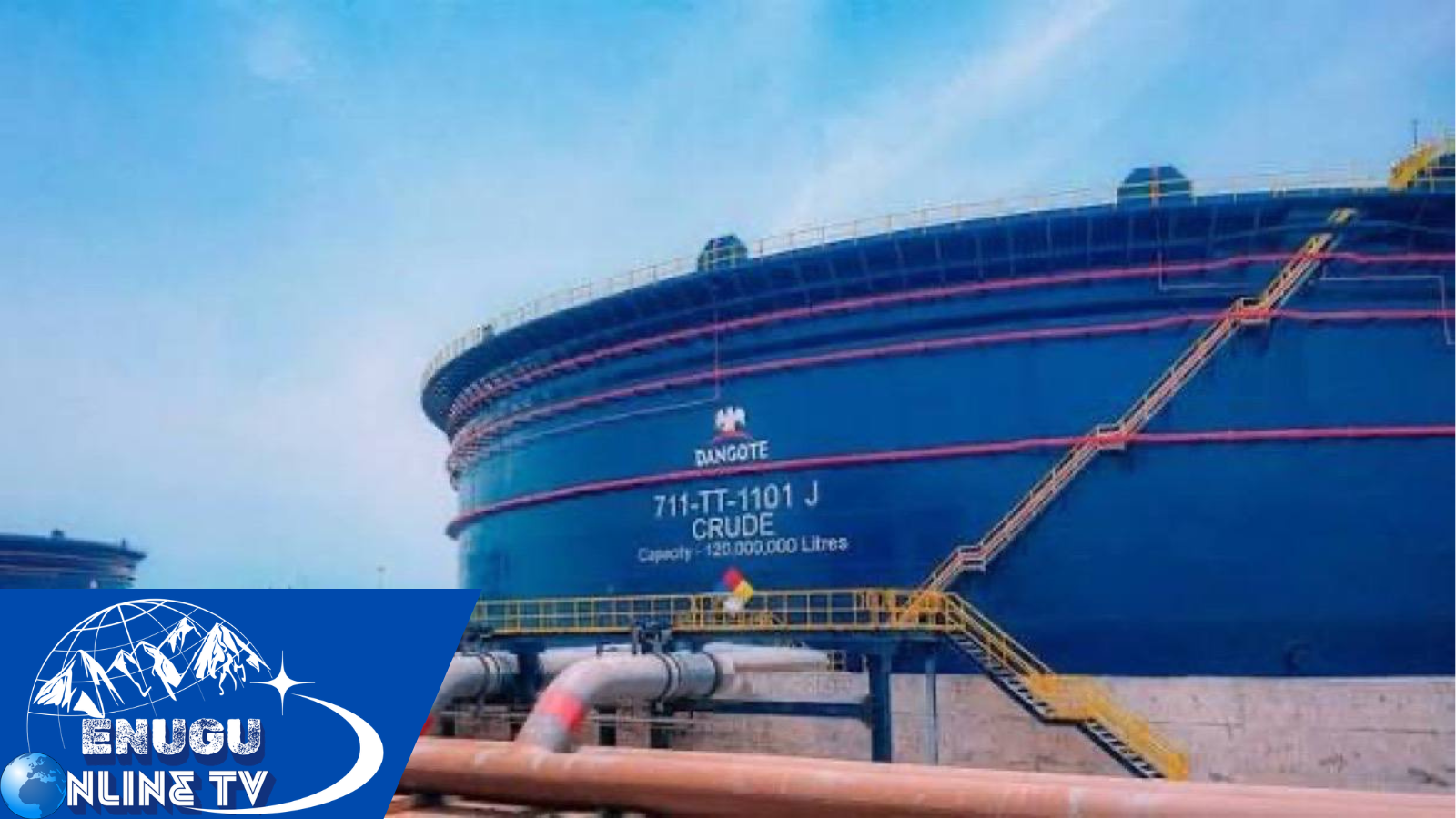
The Dangote Refinery, located in Lagos, is currently the largest single-train refinery in the world, with a capacity of about 650,000 barrels per day. It plays a key role in Nigeria’s effort to reduce dependence on imported petroleum products and strengthen domestic supply.
Experts note that while the recent price reduction is a positive development, the overall impact on consumers will depend on how quickly marketers adjust their retail prices and how stable global oil prices remain in the coming weeks.
The move also highlights the increasing influence of the Dangote Refinery in shaping Nigeria’s fuel pricing structure, especially as the country continues to prioritize local refining over imports.
Industry stakeholders are expected to react further as the new pricing takes effect across the market.