








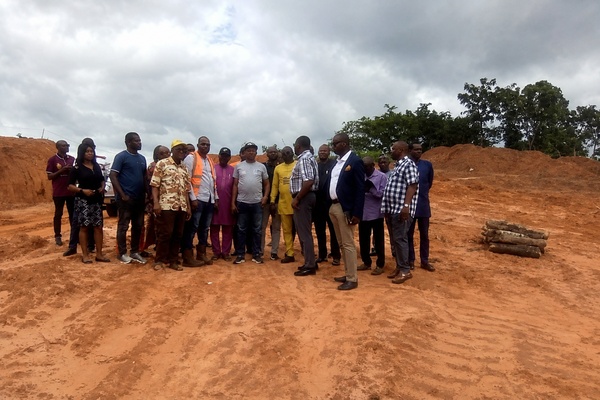



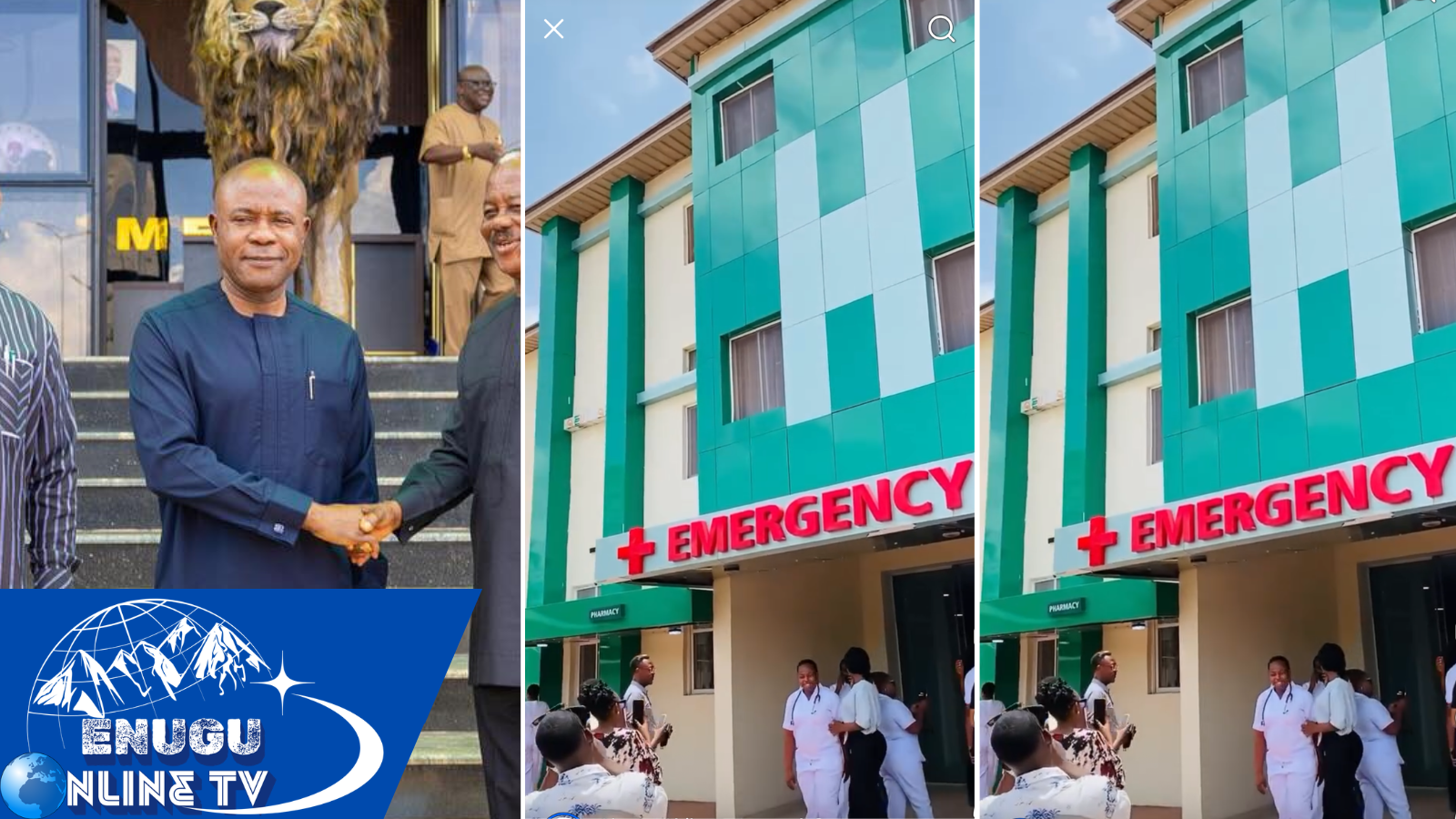
Just a few days ago, the Enugu State Government invited a group of local content creators on a guided tour of what has been described as a “world-class hospital” newly built in Enugu. The intention was clear, to showcase progress, highlight development, and reassure citizens that the healthcare sector is being transformed.
However, the reactions that followed tell a very different story.
Across social media, many of the videos from that tour sparked mixed feelings. While the structure itself appeared modern, freshly painted, and visually impressive, observers were quick to point out a glaring concern: the absence of visible medical equipment. What people saw looked more like a completed building project than a fully functional hospital.
For many residents, this raised an important question: What exactly defines a “world-class hospital”? Is it simply the beauty of the building, or the quality of care it can provide?
A New Building vs. A Functional Healthcare System
Some supporters of the government have argued that the hospital is new and will soon be fully equipped. That may be true. Large-scale medical facilities often take time to become operational after construction.
But this explanation opens up an even deeper concern.
If a brand-new hospital is still awaiting equipment, what about the already existing hospitals across the state? Are they fully equipped? Are they functioning at acceptable standards? Are they providing the level of care that citizens deserve?
These questions are not theoretical; they are rooted in real experiences.
The State of Existing Hospitals in Enugu
Enugu is home to several major healthcare institutions, including the Enugu State University Teaching Hospital (popularly known as Parklane Hospital), the University of Nigeria Teaching Hospital, and the National Orthopaedic Hospital Enugu. These hospitals are expected to serve thousands of residents daily.
Yet, reports and firsthand accounts suggest that many public hospitals in the state are struggling with serious challenges, ranging from poor infrastructure to lack of basic amenities.
In fact, weeks before the recent hospital tour, a disturbing video surfaced online showing the condition of Parklane Hospital. In that video, a patient was reportedly left unattended in a corridor, with no electricity, no water supply, and no visible medical personnel to provide urgent care.
Situations like this are not isolated. They reflect a broader systemic issue that goes beyond one hospital.
According to research on healthcare in Nigeria, many public health facilities across the country suffer from inadequate funding, outdated equipment, and poor infrastructure. Basic necessities such as electricity, water, and essential medical tools are often lacking, severely affecting service delivery.
When Healthcare Becomes a Gamble
Imagine being seriously ill and going to a hospital, only to find:
- No nurse available
- No electricity to power equipment
- No running water
- No medication
This is not just an inconvenience; it is a life-threatening situation.
Healthcare is not supposed to be a gamble. It is a basic human need and a fundamental responsibility of any government. In a functioning system, hospitals should be safe spaces where lives are saved, not places where patients are left to struggle for survival.
Yet, for many residents in Enugu, this is becoming the reality.
Development or Display?
While other states are making measurable progress in healthcare delivery, there is growing concern that Enugu may be prioritizing appearances over substance.
Social media is filled with polished images, edited videos, and official statements showcasing new projects. But beyond the visuals, many citizens are asking: What is the real impact on healthcare delivery?
A beautiful building without equipment cannot treat patients. A well-painted hospital without staff cannot save lives.
Development should not just be seen. it should be felt.
The Bigger Picture: Nigeria’s Healthcare Challenge
To understand the situation in Enugu, it is important to look at the broader national context.
Nigeria’s healthcare system has long struggled with underfunding, poor infrastructure, and workforce shortages. Studies show that many hospitals lack essential equipment, and patients often rely heavily on out-of-pocket payments for treatment.
In many cases, even when funds are allocated, implementation remains a major challenge. Projects are started but not completed. Facilities are built but not equipped. Budgets are approved but not fully translated into tangible outcomes.
This pattern raises concerns about accountability and efficiency.
Breaking Down the Numbers
According to publicly shared figures:
- ₦13.25 billion was reportedly spent on healthcare in 2024
- ₦6.49 billion had already been spent in 2025 (as of Q3)
- Total confirmed spending so far: ₦19.75 billion
In addition:
- The 2025 approved health budget stands at about ₦45.83 billion
- The 2026 proposed allocation is estimated at around ₦161.8 billion, representing roughly 10% of the state’s ₦1.62 trillion budget
These are significant figures.
With such levels of investment, citizens expect visible and measurable improvements in healthcare services—not just in new constructions but also in the day-to-day experiences of patients in existing hospitals.
Where Is the Impact?
This is the central question many residents are asking.
If nearly ₦20 billion has already been spent, why are hospitals still lacking basic amenities? Why are patients still experiencing neglect? Why are healthcare workers often overwhelmed or unavailable?
The issue is not just about funding; it is about how that funding is used.
Effective healthcare reform requires:
- Proper planning
- Transparent execution
- Continuous monitoring
- Accountability at all levels
Without these, even the largest budgets can fail to deliver meaningful results.
A Call for Balanced Development
There is nothing wrong with building new hospitals. In fact, it is necessary. Enugu is a growing state, and modern healthcare infrastructure is essential for its future.
But development must be balanced.
While new projects are being constructed, existing hospitals must not be neglected. They should be upgraded, properly equipped, and adequately staffed.
A healthcare system is only as strong as its weakest facility.
The Human Cost of Neglect
Behind every statistic is a human story.
A mother seeking care for her child.
A worker battling illness.
An elderly person in need of urgent treatment.
When hospitals fail, it is not just a system failure, it is a human tragedy.
Lives are lost. Families are affected. Communities suffer.
This is why healthcare should never be reduced to politics or propaganda.
A Message to Leadership
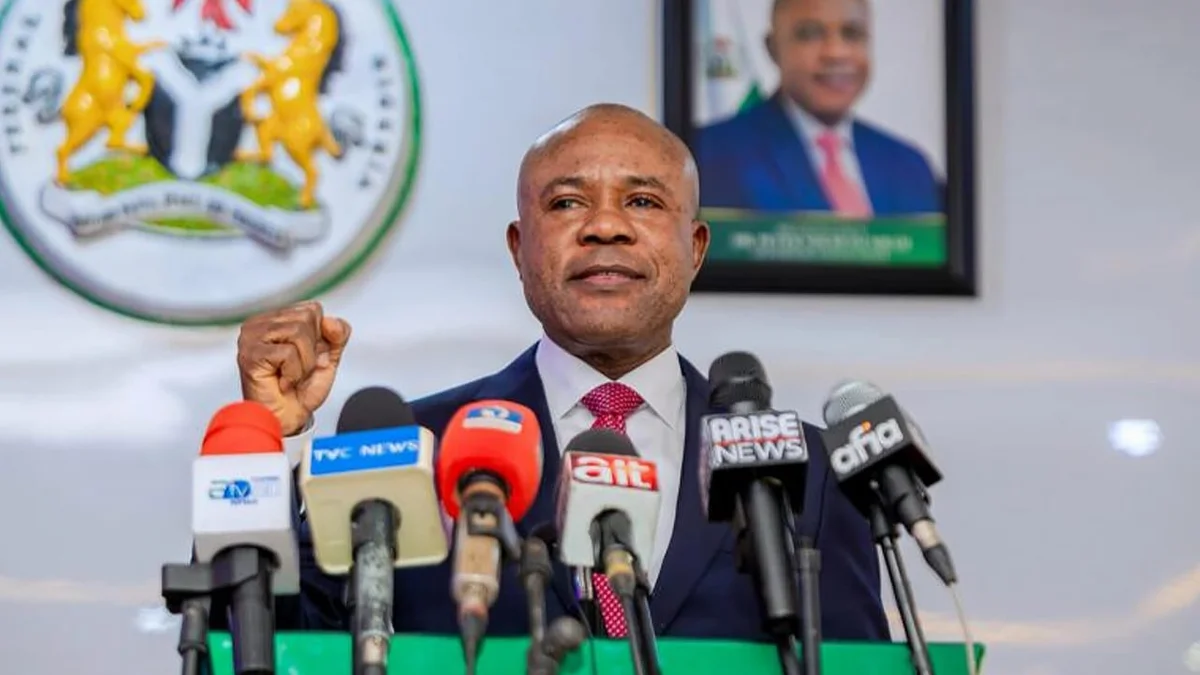
To Governor Peter Mbah and the leadership of Enugu State:
The people are watching. More importantly, they are experiencing the system firsthand.
The numbers show that significant resources have been allocated to healthcare. The expectation now is clear, those resources must translate into real improvements.
Not just new buildings, but:
- Functional hospitals
- Available medical staff
- Reliable electricity and water supply
- Accessible and affordable care
Ndi Enugu Deserve Better
This is 2026.
Basic healthcare should not still be a topic of debate. It should be a given.
The people of Enugu deserve more than promises. They deserve a healthcare system that works, one that values human life above political image, one that prioritizes substance over appearance.
Because at the end of the day, healthcare is not about buildings.
It is about people.
Conclusion
The recent hospital tour may have been intended to showcase progress, but it has also sparked a much-needed conversation.
A conversation about priorities.
A conversation about accountability.
A conversation about the true state of healthcare in Enugu.
Moving forward, what matters is not what is shown online but what is experienced in reality.
Because when it comes to healthcare, there is no room for illusions.
Only results matter.