



By Isaac Mission
The Federal Government has announced plans to generate two million jobs within Nigeria’s creative industry by 2030, as part of efforts to transform the country’s cultural resources and creative talent into sustainable economic opportunities.
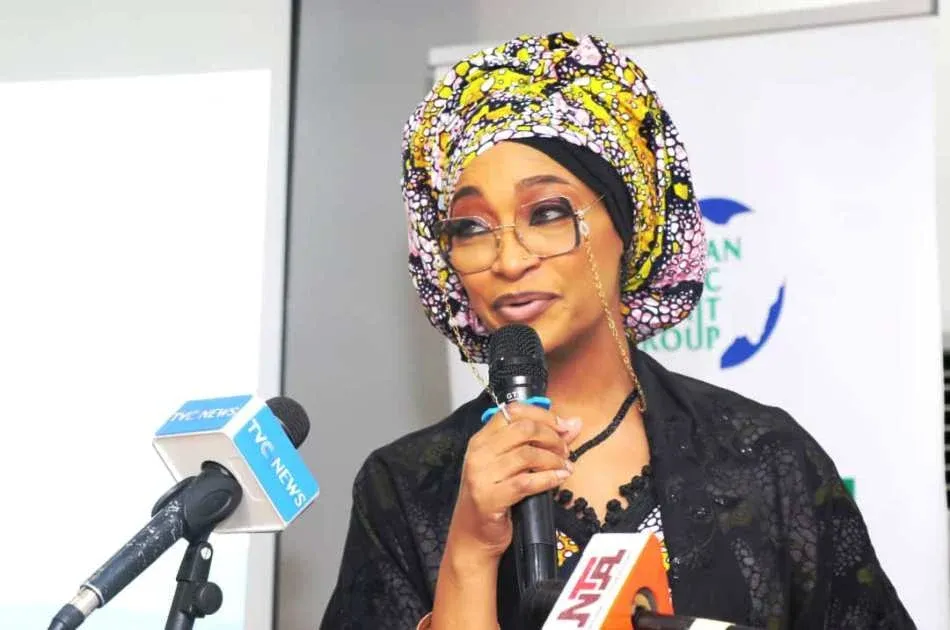
The Minister of Art, Culture, Tourism and Creative Economy, Hannatu Musawa, disclosed this on Friday at the conclusion of the 2026 Kano Creative Summit organised by the National Theatre.
The two-day event, themed “Beyond Lagos: Unlocking Northern Nigeria’s Creative Economy,” focused on developing the skills, business capacity and commercial opportunities available to creative practitioners in the region.
Musawa urged creatives in Northern Nigeria to take greater control of their intellectual property, establish stronger business structures and find ways to turn their talents into reliable sources of income.
She described Kano as a longstanding centre of creative enterprise, noting that the city’s creative economy existed centuries before the term became widely used in economic policy.
According to the minister, Kano’s traditional dyeing, leather production, weaving, embroidery, blacksmithing and performing arts, alongside its film industry, represent valuable economic assets that can generate greater revenue when properly organised and commercialised.
She particularly highlighted the influence of Kannywood, saying its productions have attracted audiences across Hausa-speaking communities in West Africa and beyond.
Musawa argued that the Kano-based film industry should be recognised as an important component of Nigeria’s wider global film sector alongside Nollywood.
She also pointed to Kano’s literary and artistic heritage, recalling the contribution of women writers who produced and marketed novels in local markets from the late 1950s. She further referenced artists linked to the Zaria Art Society and their role in the evolution of modern Nigerian art.
The minister said the appointment of Kannywood actor and filmmaker Ali Nuhu as head of the Nigerian Film Corporation was another indication of the government’s effort to involve practitioners in leadership positions within the creative sector.
However, she identified inadequate business structures, weak ownership arrangements and restricted access to markets as some of the factors limiting the financial benefits creatives derive from their work.
Musawa maintained that talent was not the major challenge facing the sector. Rather, she said creatives needed stronger systems that would enable them to own, market and monetise their work effectively.
She noted that some traditional craft practitioners were abandoning their trades because the activities no longer provided sufficient income to support their livelihoods.
To address these challenges, the minister said the Federal Government was implementing creative economy initiatives, including an eight-point plan and Destination 2030, which has a target of creating two million jobs in the sector by 2030.
She explained that taking the National Theatre’s creative summit to Kano was part of a wider strategy to spread opportunities in Nigeria’s creative economy beyond Lagos and Abuja.
Musawa encouraged young people across Northern Nigeria to build sustainable businesses around their creative abilities, stressing the need to create an environment where future generations can earn viable livelihoods from the region’s cultural and creative industries.