

















By Isaac Mission
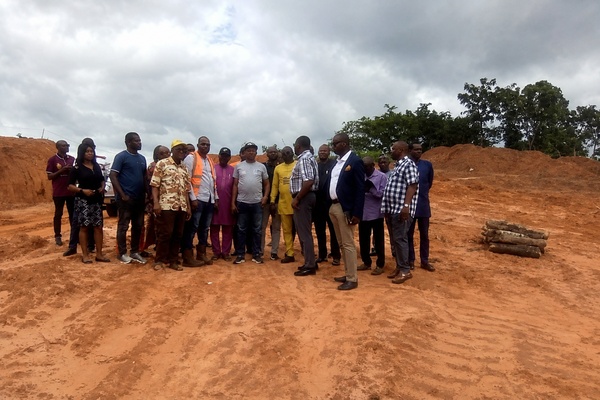
The proposed New Enugu Smart City is being presented as more than a technology-driven development, with experts emphasising that its long-term success will depend on effective urban planning, strong institutions and sustainable governance.
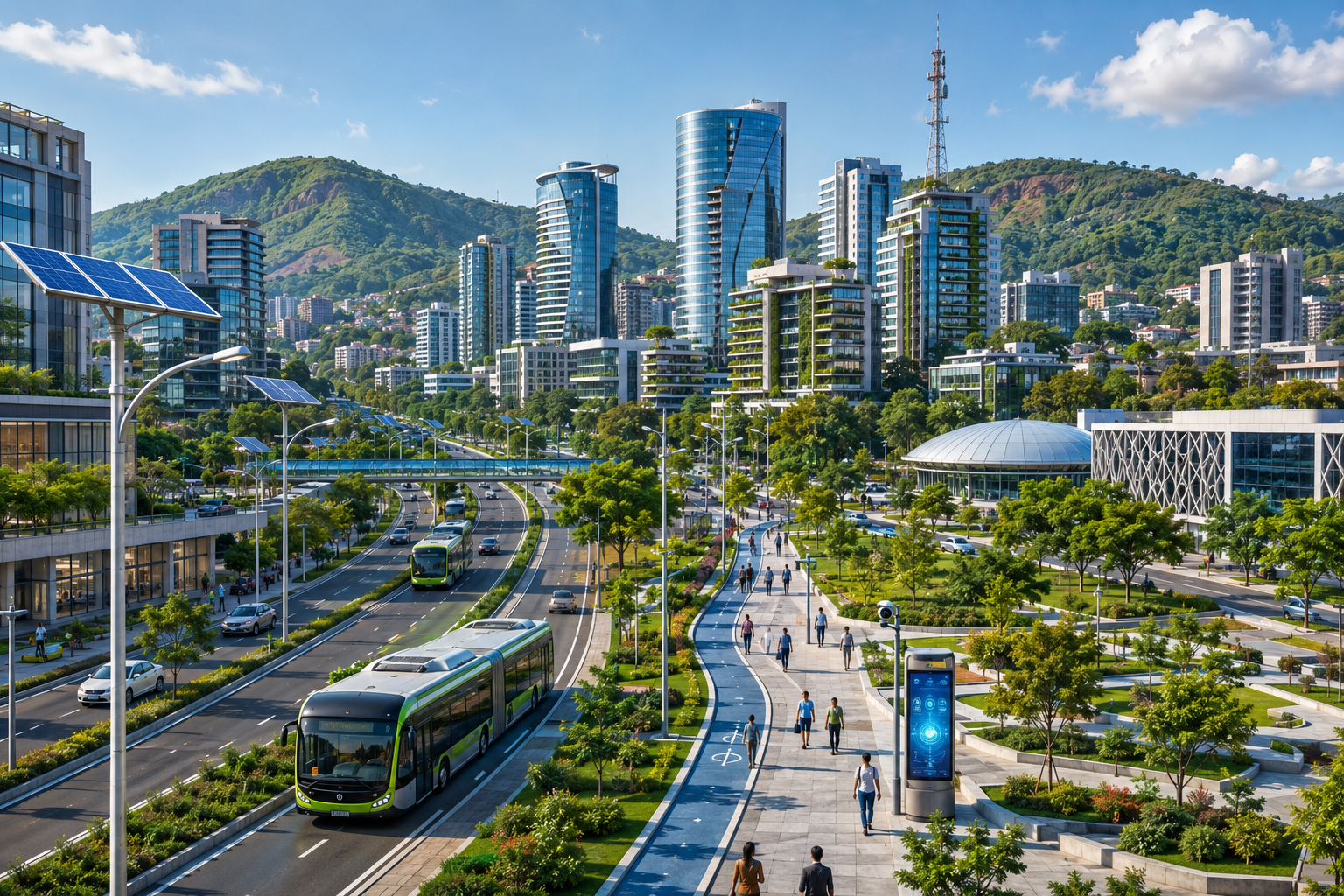
Urban development specialists argue that modern cities should not be judged solely by their physical structures or digital infrastructure, but by the quality of life they provide for residents. Efficient transport systems, reliable public utilities, environmental sustainability and inclusive economic opportunities are considered essential elements of a successful smart city.
Nigeria has relatively few purpose-built cities, with Abuja often cited as the country's most prominent example of planned urban development. However, observers note that repeated changes to its original master plan over the years have contributed to congestion and mounting pressure on infrastructure, highlighting the importance of protecting long-term planning frameworks.
Analysts believe the New Enugu Smart City presents an opportunity to establish a different model by maintaining strict development standards, ensuring institutional continuity and resisting pressures that could compromise its master plan.
While digital technologies such as intelligent transport systems, smart utilities, digital healthcare and environmental monitoring can improve efficiency and public service delivery, experts caution that these innovations should be supported by transparent governance, cybersecurity measures, data privacy protections and inclusive policies that benefit all residents.
They also stress that sustainable urban development requires transparent land administration, environmental protection, community participation and regulatory consistency. Maintaining these principles, they say, will strengthen investor confidence while creating a city that remains functional and attractive for future generations.
Stakeholders maintain that if the New Enugu Smart City preserves its planning integrity and balances technological advancement with responsible governance, it could emerge as a model for sustainable urban development in Nigeria and contribute to long-term economic growth and improved living standards.