






By Isaac Mission
The Federal Government has reaffirmed its commitment to supporting states in the South-East to improve disease surveillance, preparedness and overall health security.
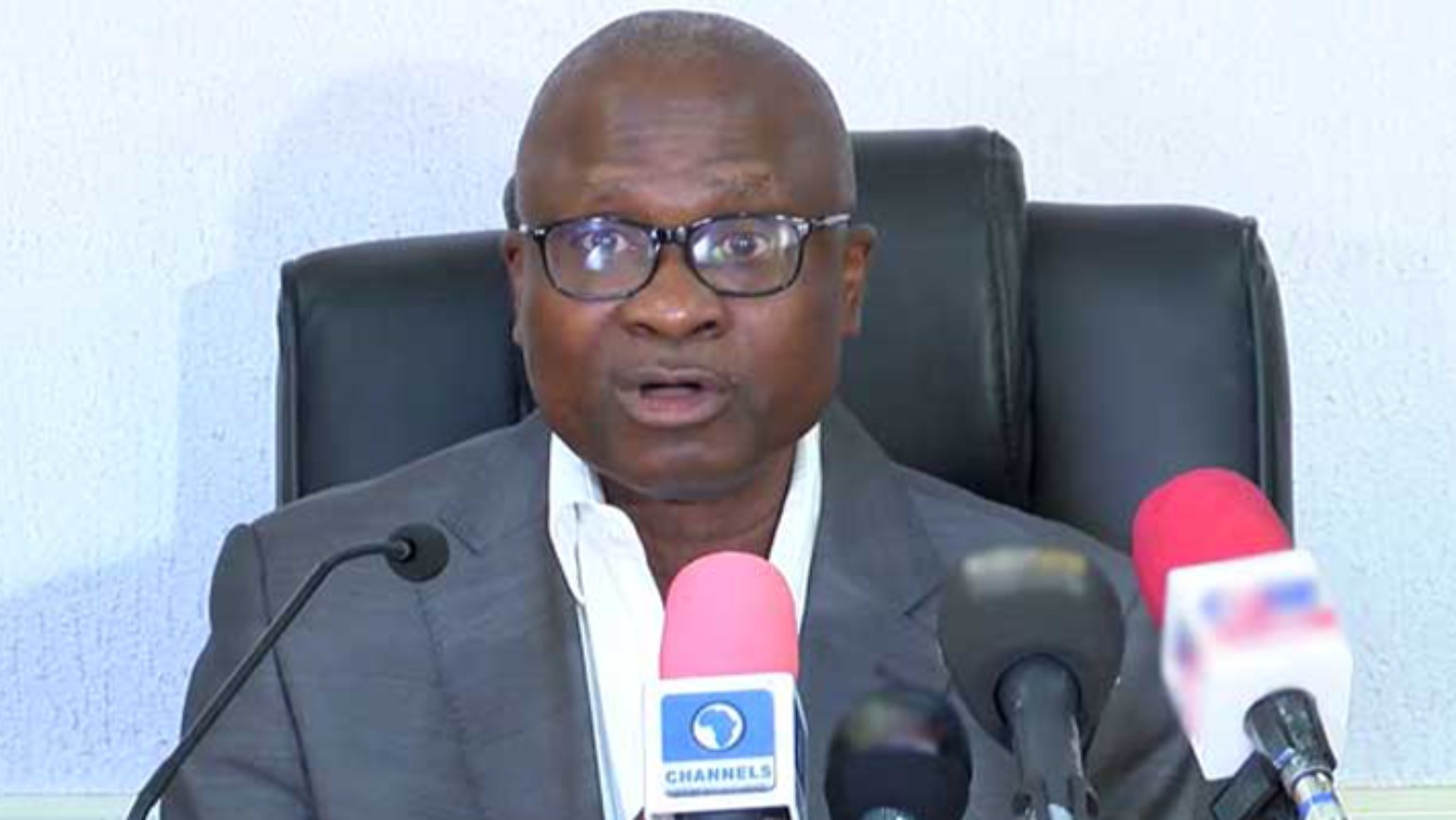
The Director-General of the Nigeria Centre for Disease Control and Prevention (NCDC), Jide Idris, made this known on Tuesday during a working visit to Enugu State.
Idris said the visit was focused on assessing the progress of the uncompleted high-definition molecular laboratory at the University of Nigeria Teaching Hospital (UNTH), as well as reviewing Ebola prevention and preparedness measures at the Akanu Ibiam International Airport, Enugu.
He stressed the importance of establishing at least one high-definition molecular laboratory in each geopolitical zone to facilitate the rapid detection and confirmation of infectious diseases, particularly viral infections such as Ebola.
According to him, the NCDC team was also assessing the state of the laboratory project, following reports that erosion was threatening the facility.
He explained that completing the laboratory would reduce the need to transport samples over long distances to other parts of the country for testing and confirmation.
Idris also expressed concern that some states lack high-definition molecular laboratories, saying the establishment of such facilities across the zones would strengthen Nigeria’s capacity to detect and respond to disease outbreaks.
He added that the NCDC was considering a tripartite maintenance arrangement involving the agency, the Enugu State Government and UNTH to ensure that health facilities and laboratory infrastructure are properly maintained.
The NCDC boss said Enugu is among 10 states identified as having a high risk of imported Ebola cases because of international travel through the Akanu Ibiam International Airport.
He noted that, in the absence of an approved Ebola drug or vaccine, effective prevention, preparedness, surveillance and rapid response remain critical to containing the disease.
“We are supporting states through capacity building, knowledge transfer and limited funding,” Idris said, adding that the Federal Government had also established a Presidential Task Force on Ebola Prevention and Preparedness.
He further disclosed that he would inspect medical isolation centres across the state to identify existing gaps and support efforts to establish at least one standard isolation centre equipped with qualified personnel, vehicles and necessary medical equipment.
Idris urged state governments to strengthen their surveillance systems and preparedness for infectious diseases, noting that Nigeria is currently responding to or working to prevent multiple disease outbreaks.
He also advised states to maintain adequate stocks of vaccines, medicines, medical consumables and personal protective equipment based on the diseases to which they are most vulnerable.
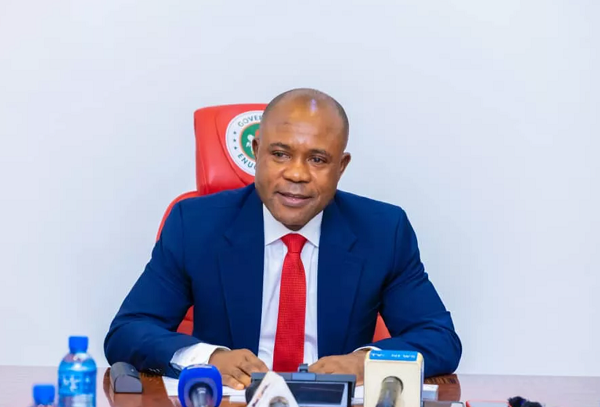
Earlier, Enugu State Commissioner for Health, Prof. George Ugwu, called for stronger collaboration between the state government and the NCDC.
Ugwu said Enugu required assistance to establish a standard medical isolation centre, while also seeking additional manpower development, equipment and funding to strengthen disease surveillance and field operations.
He said the state government was committed to improving healthcare delivery, noting that Governor Peter Mbah’s administration had invested significantly in the sector.
According to Ugwu, the investments include 260 primary healthcare centres, 54 secondary hospitals, two tertiary hospitals and the recently established Enugu International Hospital, which is intended to support medical tourism.
He expressed optimism that closer collaboration with the NCDC would further strengthen Enugu State’s capacity to prevent, detect and respond to infectious disease threats.