
















By Faith Eze
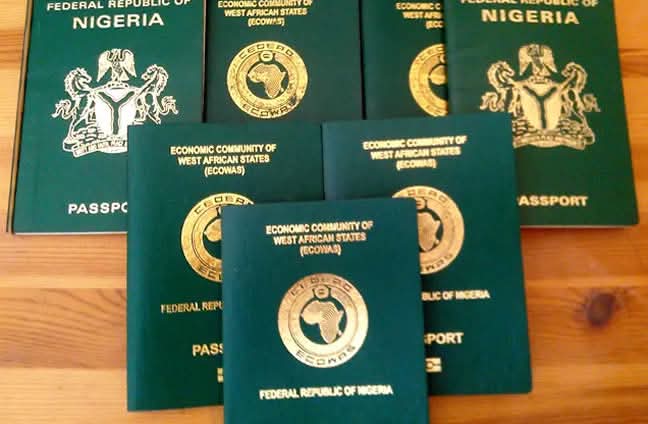
The Nigeria Immigration Service has introduced a groundbreaking solution for citizens living outside the country, making it possible to complete passport renewals without the traditional hassle of physically visiting an embassy. For years, the process of renewing a national passport while residing in a foreign nation involved booking appointments, taking time off work, and traveling long distances to the nearest diplomatic mission. These hurdles often resulted in massive backlogs, heavy financial costs, and immense stress for working professionals and families living abroad. Recognizing these persistent challenges, the immigration authorities have rolled out a modern digital framework designed to streamline and simplify consular services.
At the center of this new initiative is the Contactless Passport Application System, an advanced digital platform that integrates web portal services with a dedicated mobile application. The entire workflow is built to handle identity verification, form submission, fee payments, and biometric capture remotely. By utilizing secure technologies, the service ensures that security and data integrity are maintained while giving applicants the freedom to process their documents from the comfort of their homes. This modernization represents a massive shift toward efficient e-governance and demonstrates a commitment to better service delivery for the global Nigerian community.
The renewal journey begins on the official Nigeria Immigration Service passport web portal. Applicants residing outside the country must navigate to the platform and select the option designated for applications originating from outside Nigeria. From there, they choose the renewal or re-issue category to set up a new user account. Identity verification is a crucial first step in preventing fraud and ensuring that only rightful citizens access the service. To accomplish this, users are required to input their National Identification Number along with their correct date of birth. This information links directly with national databases to confirm the applicant's identity swiftly.
Once verification is successful, applicants proceed to fill out the digital application form. They are required to select their preferred processing embassy or high commission and upload all necessary supporting documents as specified by the guidelines. After completing the form, applicants pay the applicable passport fee for their chosen booklet type through the secure online payment gateway. Upon successful payment, the system generates a unique Application ID and a Reference Number. These two pieces of information are vital because they serve as tracking identifiers throughout the remainder of the renewal process.
Following the initial online steps, applicants are presented with the choice between scheduling a traditional physical appointment or opting for the new contactless procedure. Those who choose the remote route must select the opt-in for contactless feature located within the application status or appointment section of the portal. To execute the biometric phase, applicants are instructed to download the official mobile application provided by the immigration service. Logging into the app using their credentials allows them to access specialized passport services, specifically the biometric enrollment module.
Within the mobile application, users enter their Application ID and Reference Number to confirm their eligibility status. If approved, the application uses advanced device features to guide the user through capturing a live facial image and recording fingerprints. Built-in liveness detection and automated verification systems compare the captured data against existing records to ensure accuracy. Once the digital biometrics are successfully submitted and reviewed, applicants pay any required contactless service charges directly through the mobile interface.
Not every applicant will automatically qualify for the remote pathway, as specific eligibility criteria must be met. For individuals who are found ineligible for the contactless service, the platform redirects them back to the main portal to book a traditional physical appointment at their nearest mission. For those who successfully complete the digital steps, the final phase involves printing out the completed application form and packaging it alongside their current national passport. These documents are sent in a self-addressed return envelope to the chosen processing embassy for final booklet production.
To keep users informed, the immigration service has also integrated a tracking feature that allows applicants to monitor the progress of their renewals. Approximately two to three weeks after final submission, individuals can check their application status online through the tracking portal or directly within the mobile application. This transparency reduces anxiety and eliminates the guesswork traditionally associated with document processing times. By embracing digital transformation, the Nigeria Immigration Service has set a new standard for diaspora relations, ensuring that citizens abroad remain closely connected to home services without unnecessary friction.