

















By Faith Eze
Energy markets and global diplomacy have faced a sudden shock as tensions in the Middle East escalate into critical infrastructure sectors. Saudi Arabia officially confirmed the temporary shutdown of its vital 1,200-kilometre East-West oil pipeline following a series of drone attacks. The strategic conduit, which serves as a massive artery for international crude exports, came under fire from multiple drones launched from neighboring Iraqi territory. The incident has immediately intensified worries about global energy security, fuel supply chains, and the safety of commercial shipping routes across the region.
The East-West pipeline holds immense economic and strategic value for the kingdom and the rest of the world. Built decades ago, the infrastructure allows Saudi Arabia to transport oil directly across the country from its eastern fields to western export terminals on the Red Sea coast. By utilizing this route, the nation can effectively bypass the volatile Strait of Hormuz, which stands as one of the most heavily congested and sensitive oil transit corridors on earth. Analysts note that the pipeline typically handles a significant percentage of daily global oil supplies, making any disruption to its operation an immediate trigger for international market anxiety.
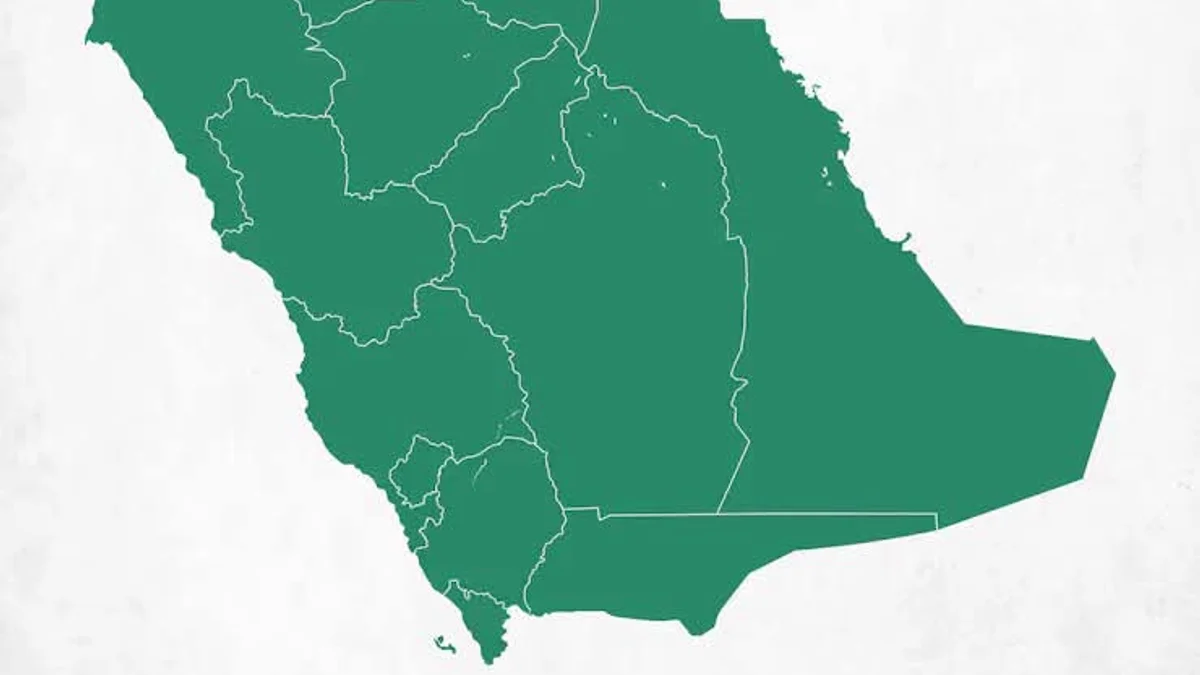
According to reports from the Saudi Ministry of Energy, the drone strikes struck facilities located within the Riyadh and Madinah regions. The impact resulted in minor structural damage and caused injuries to a number of individuals who were quickly attended to by emergency medical personnel. In response to the security breach, specialized technical teams were swiftly deployed to secure the surrounding area, evaluate the extent of the damage, and completely halt fluid flow through the affected segments as a strict precaution.
The diplomatic fallout began immediately following the security incident. The Saudi Foreign Ministry strongly condemned the strikes, pointing directly to evidence showing that the aerial vehicles originated from locations inside Iraq. However, in a surprising turn of events, Riyadh announced that it would hold off on any immediate military retaliation. This restraint was chosen to give the Iraqi government sufficient time to investigate the security lapse and take necessary corrective steps.
Authorities in Baghdad moved quickly to contain the growing crisis. The Iraqi Prime Minister strongly condemned the attacks, emphasizing that his administration will not tolerate any actions that threaten neighboring nations or jeopardize friendly bilateral ties. Consequently, the Iraqi government ordered a comprehensive investigation into the military command of the border province where the drones were reportedly launched. The local military commander was dismissed from his post as part of the immediate administrative fallout, and officials pledged to bring anyone found complicit to justice.
This attack does not happen in isolation, occurring instead against the backdrop of a wider, protracted conflict involving multiple regional factions. Observers note that the incident coincides with aggressive advances by Iran-backed Houthi forces in Yemen, who have increased pressure on shipping lanes around the southern entrance of the Red Sea. The combination of shuttered land pipelines and threatened maritime passages has placed immense strain on both sides of the Arabian Peninsula.
As a direct consequence of these compounding security threats, international crude prices experienced a notable surge, climbing past critical financial thresholds for the first time in months. Financial markets remain highly sensitive to developments in Middle Eastern logistics because any prolonged closure of major export routes directly threatens to inflate global energy costs and fuel broader economic inflation.
Regional bodies, including the Gulf Cooperation Council, have issued strong statements denouncing the aggression as a dangerous escalation that violates international law and threatens regional stability. While Saudi Arabia maintains its ultimate right to protect its sovereignty and citizens, the current preference for diplomatic channels offers a fragile window for de-escalation. The international community continues to monitor the situation closely to see whether diplomatic intervention and stricter border security can prevent further disruptions to the world's energy supply.