



















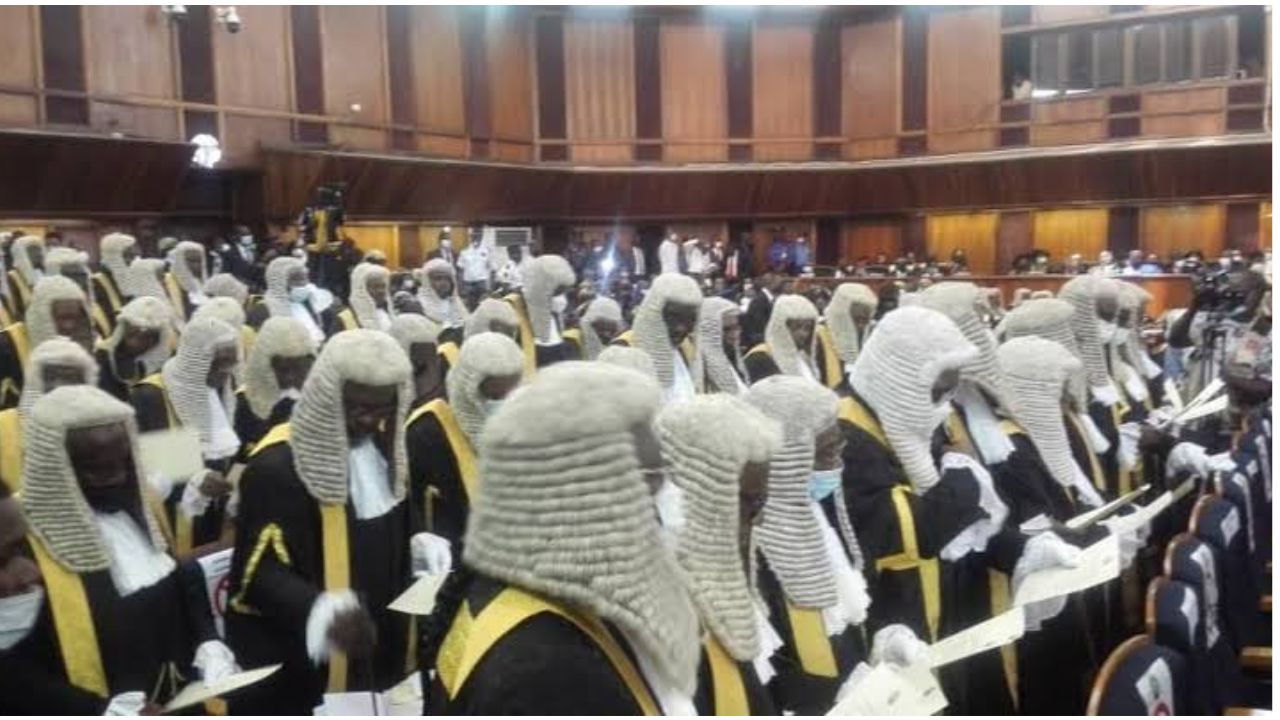
Karl Marx once argued that lawyers are not neutral but loyal agents of the ruling class.
He described them as the writers of contracts that dispossess the poor and defenders of systems that protect wealth and power.
In essence, lawyers serve as guardians of oppression, dressing injustice in legal language and procedure.
History gives many examples.
Adolf Hitler once said, “I need lawyers, not laws.”
He relied on lawyers to twist the law in ways that legitimized persecution, dispossession, and genocide.
German lawyers drafted the Nuremberg Laws of 1935, which stripped Jews of citizenship and dignity.
This was not passive obedience it was active participation in creating evil through law.
In the United States, lawyers played a key role in protecting slavery.
They drafted slave codes, defended slave owners, and reinforced racism through landmark cases such as Dred Scott v. Sandford in 1857 and Plessy v. Ferguson in 1896.
Even law schools in the South trained lawyers not for justice, but to sustain white supremacy.
Nigeria’s history is no different.
Colonial lawyers supported indirect rule and wrote ordinances that deprived communities of their land.
Today, many Nigerian lawyers continue to serve the powerful by defending election riggers, drafting exploitative contracts, and laundering stolen wealth.
Instead of standing with citizens, they often protect the interests of elites and corporations.
Still, not all lawyers have walked this path.
Some, across history, have chosen justice over power.
In the United States, Charles Hamilton Houston and Thurgood Marshall used the law to dismantle segregation.
In South Africa, Bram Fischer defended Nelson Mandela and others during apartheid.