










By Faith Eze
Diplomatic engagements between global leaders often serve to strengthen long-standing partnerships and explore new avenues for bilateral collaboration.
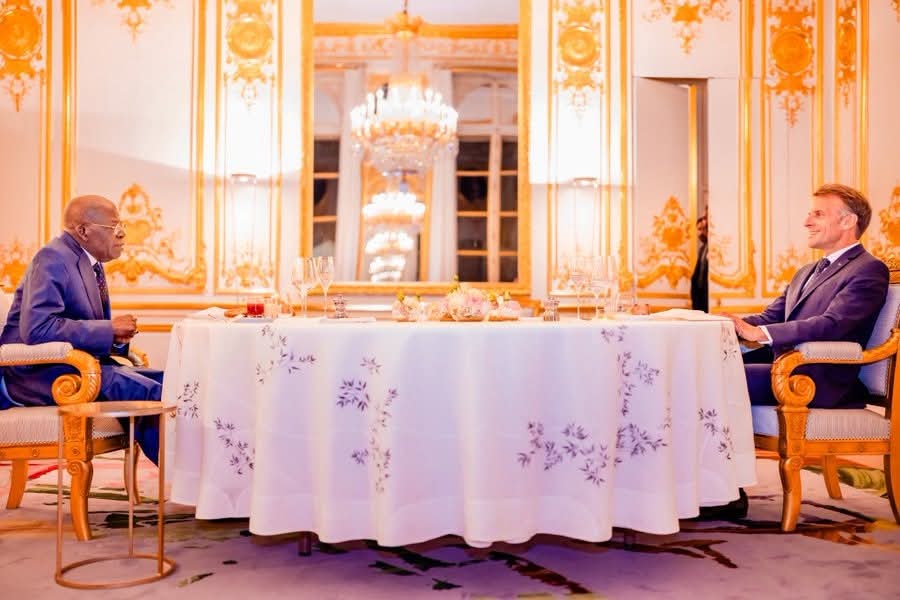
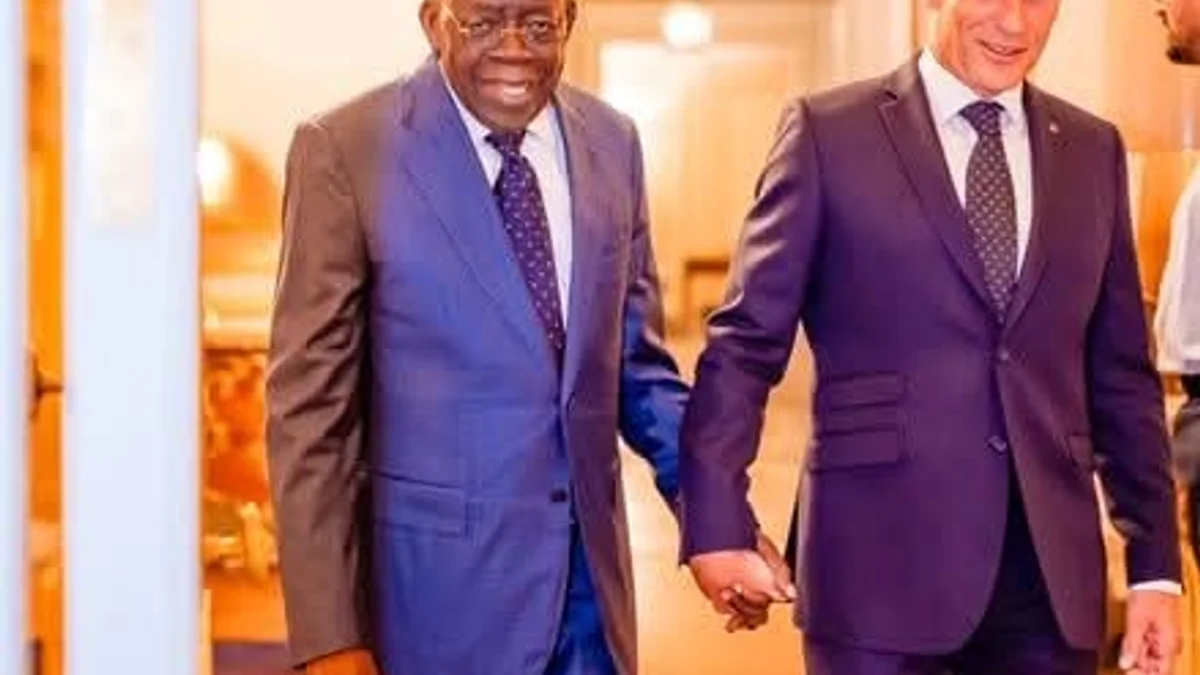
Recently, the diplomatic relationship between West Africa and Europe saw a high-level engagement as French President Emmanuel Macron hosted Nigerian President Bola Ahmed Tinubu to a private dinner at the prestigious Elysee Palace in Paris. The meeting underscored the enduring diplomatic ties shared between Nigeria and France and reaffirmed both nations' commitment to deepening mutual cooperation.
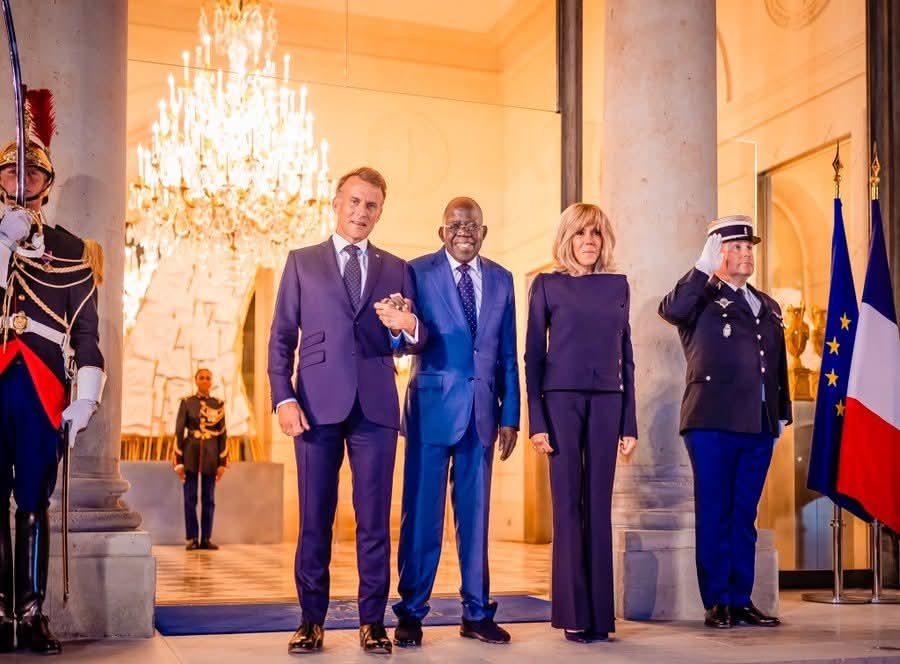
The high-level meeting took place as President Tinubu concluded his working vacation in Europe. Details of the private discussion were shared publicly by the presidential spokesperson, emphasizing that the interaction highlighted a shared vision for economic, political, and cultural development. Over the past few years, relations between Abuja and Paris have witnessed steady growth, characterized by collaborative discussions centered on trade investments, energy projects, security architecture, and innovation.
Engagements of this nature carry significant strategic value for international relations. They provide a direct channel for heads of state to exchange perspectives on regional stability, economic reforms, and global financial partnerships without the rigid protocols of standard summits. Such personal diplomacy often lays the groundwork for future cooperative agreements, joint ventures, and cultural exchange programs that benefit citizens of both countries.
As global dynamics continue to shift, maintaining active diplomatic channels with major international allies remains vital for national development. The meeting at the Elysee Palace further cements the strong rapport between the two leaders, signaling continued collaboration on matters of mutual interest as the Nigerian president prepares to return to domestic engagements.