



Youths from Umabor community in Eha-Alumonah, Nsukka Local Government Area of Enugu State have staged a protest over what they described as prolonged neglect by successive administrations, decrying the worsening condition of public infrastructure in the area.
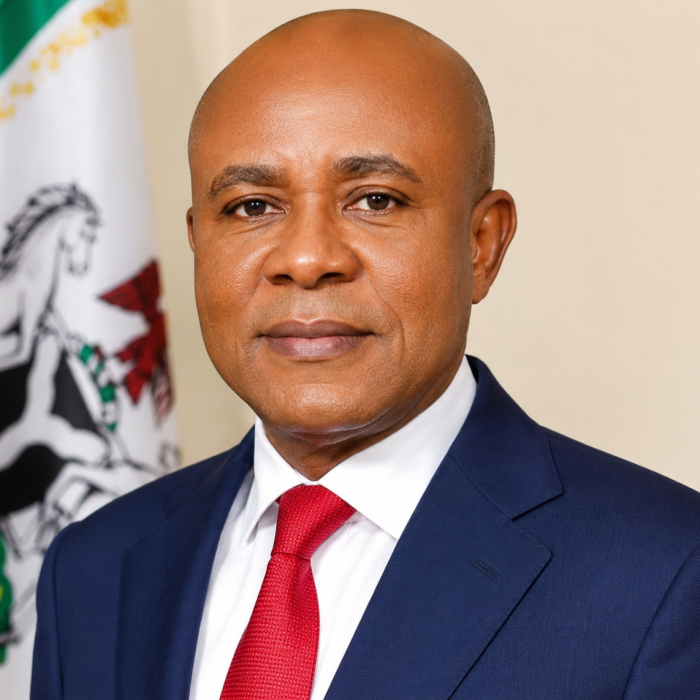
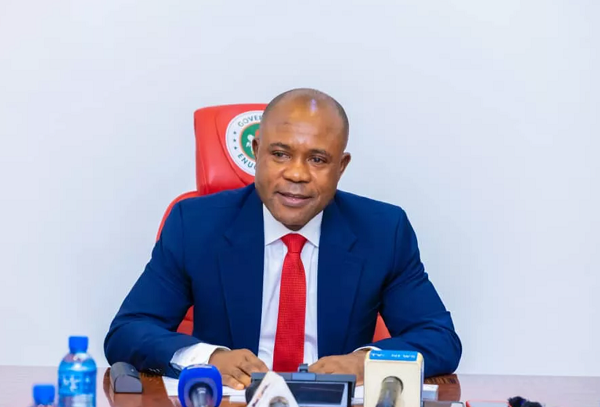
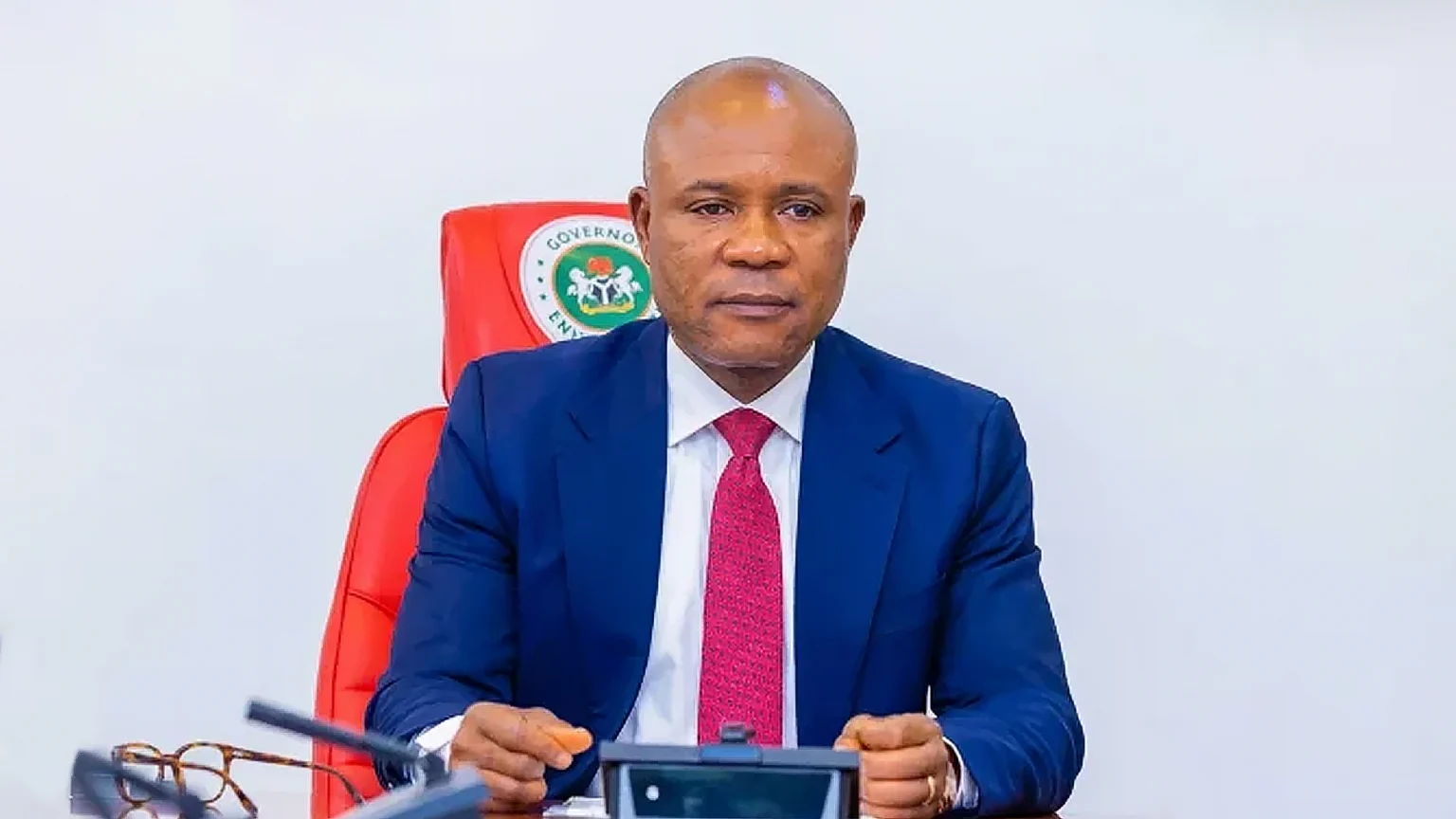
The protesters called on Peter Mbah, Governor of Enugu State, to urgently include the community in the state’s development agenda, insisting that despite their loyalty and support for previous governments, Umabor has continued to suffer neglect.
During the protest, the youths expressed frustration over the poor state of roads, schools, and healthcare facilities, saying repeated appeals for government intervention had yielded little or no results.
They warned that politicians seeking support ahead of the 2027 general elections would no longer receive a warm welcome in the community unless visible development projects were delivered.
Speaking on behalf of the Umabor Unity Forum, Emmanuel Uzoh Ugwueze lamented the declining condition of public infrastructure, describing the situation as painful and unacceptable.
“We are deeply troubled by the level of decay in public infrastructure within our community,” he said.
“For years, we have cried out for intervention, even under past administrations, but nothing meaningful has been done. Umabor has suffered neglect for too long, and this has taken a serious toll on our schools, healthcare facilities, and other public infrastructure.”
Ugwueze further noted that the deplorable condition of the Agu-Umabor Road has worsened security challenges in the area.
“The poor state of the Agu-Umabor Road is contributing significantly to insecurity along that axis. We are once again passionately appealing to Governor Peter Mbah to hear our cry and come to our aid,” he added.
Meanwhile, some youths from the community have taken their grievances to social media, using photographs of deteriorating infrastructure to draw attention to their plight.
In one of the posts, Utonwa Michael appealed to the state government to rehabilitate existing schools in the community, stressing that many children are unable to benefit from the government’s Smart School initiative because of distance and accessibility challenges.
“This is the current state of our primary and secondary schools as of June 16, 2026,” he wrote.
“While we appreciate the government’s Smart School Project and its efforts to improve education, many of our villages are too far from these facilities. This makes access difficult for children due to transportation, distance, and safety concerns.”
He urged the government to rehabilitate community schools to ensure equal access to quality education.
“Education is a fundamental right. No child should be denied quality education simply because of where they live,” he stated.
Another indigene, Christian Nnaemeka, also voiced concern over the worsening state of infrastructure in Umabor, saying residents deserve better governance and visible development.
“The current condition of roads and schools in Umabor is highly discouraging,” he said.
“As a community, we always participate actively during elections and fulfill our civic responsibilities. Unfortunately, after elections, it often feels like Umabor is forgotten.”
He added that the community’s growing frustration stems from years of unfulfilled promises.
“Our roads are terrible, our schools need urgent attention, and insecurity is increasing. These are basic necessities every community deserves.
“This time, our message is clear: leadership must be backed by tangible results. Development should not only be discussed during campaigns—it should be reflected in our roads, schools, healthcare, and security.
“Umabor deserves better, and we will continue to demand good governance and meaningful development,” he said.