
















By Faith Eze
The Dangote Petroleum Refinery and Petrochemicals FZE has officially opened an extraordinary opportunity for everyday citizens and institutional investors to own a piece of one of the most monumental industrial assets in Africa. As anticipation builds for the official public opening of the initial public offering, the company has released a comprehensive and strictly monitored list of authorized channels through which interested buyers can safely purchase their shares.
To protect the public from fraudulent schemes and unauthorized middle-men, management has emphasized that investors must subscribe exclusively through these designated financial institutions and digital portals.
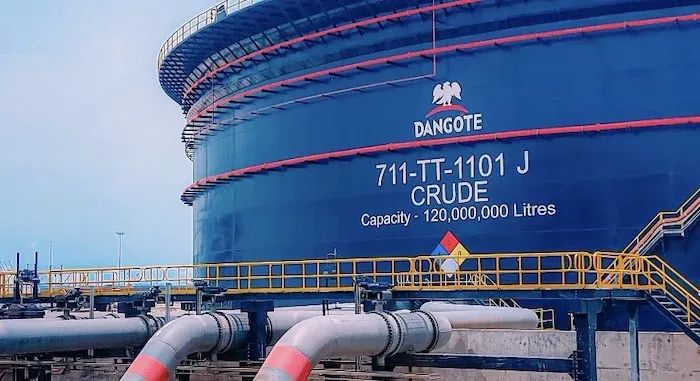
Understanding the structure of this public offer is essential for anyone looking to enter the Nigerian capital market. The primary objective of the initial public offering is to broaden corporate ownership, allowing millions of people from various walks of life to share in the economic value generated by the massive 700,000-barrels-per-day refinery located in Lagos. By making shares accessible to the general public, the leadership aims to democratize wealth creation, ensuring that ordinary workers, small business owners, and seasoned investors alike can hold direct financial stakes in an enterprise that shapes the future of energy independence across the nation.
The pricing mechanism has been structured to encourage wide participation. The ordinary shares are pegged at 525 Naira each, making financial entry attainable for a broad demographic of retail investors. Furthermore, the minimum subscription requirement is set at just 10 ordinary shares. This means an investor can begin their journey into the ownership structure of the mega-refinery with a modest capital outlay of 5,250 Naira. For those looking to secure a larger position, applications can scale upward depending on individual financial planning and the specific limits outlined in the official offer prospectus.
To streamline the distribution process and accommodate the diverse preferences of modern investors, the approved distribution network encompasses a wide variety of institutions. The list features 19 major commercial banks operating within the country. Prominent traditional banking establishments such as Access Bank, Ecobank, First Bank of Nigeria, Guaranty Trust Holding Company, Zenith Bank, United Bank for Africa, Fidelity Bank, First City Monument Bank, and Stanbic IBTC are fully integrated into the subscription network. Additional banking partners include Sterling Bank, Wema Bank, Union Bank, Providus Bank, Lotus Bank, Keystone Bank, Jaiz Bank, Globus Bank, PremiumTrust Bank, and TAJ Bank. These physical and digital banking platforms allow customers to utilize existing accounts to fund and submit their share purchase requests seamlessly.
In addition to traditional banks, the regulatory framework has embraced the digital revolution by incorporating 10 prominent financial technology companies. Modern investment apps and digital wallets like Bamboo, Flutterwave, Moniepoint, PiggyVest, Paga, and Ladder are part of the approved network. This integration acknowledges how technology-driven platforms have changed the landscape of personal finance in Nigeria. Younger generations and tech-savvy individuals who manage their daily finances through mobile applications can now buy industrial stocks directly from their smartphones without needing to visit a physical banking hall or traditional brokerage office.
The outreach extends even further through the inclusion of mobile network operators. Major telecommunication players like Airtel through its SmartCash platform and MTN via MoMo have been approved as official channels. By leveraging mobile money infrastructure, unbanked or underbanked populations living in remote areas gain an unprecedented avenue to participate in the capital market. This telecommunication integration bridges geographical divides, ensuring that individuals residing outside major metropolitan hubs can participate in the economic growth tied to the refinery.
The centralized digital gateway for the entire process is anchored by the Nigerian Exchange Limited through the NGX Invest platform. NGX Invest serves as a specialized primary market portal designed to handle digital public offers efficiently, ensuring transparency, real-time tracking, and proper allocation recording. Investors who prefer a direct digital interface can utilize this portal alongside specialized stockbroking firms to submit their applications securely.
Participating in the public offering requires a clear, step-by-step approach to ensure compliance with regulatory standards. Prospective buyers must first establish an account with an authorized stockbroking firm or utilize one of the approved digital fintech and banking applications that provide direct brokerage services. A crucial part of this onboarding procedure involves fulfilling Know Your Customer requirements. Investors are required to provide valid means of identification, proof of address, and Bank Verification Numbers to satisfy anti-money laundering and regulatory mandates set by the Securities and Exchange Commission.
Once the brokerage or digital account is active, the next phase involves setting up or linking a Central Securities Clearing System account. The Central Securities Clearing System functions as the electronic depository where all shares traded on the Nigerian Exchange are safely stored. Authorized stockbrokers and digital apps automatically handle the generation or linking of this clearing account during the user registration process, ensuring that the purchased shares are safely assigned to the rightful owner in electronic format.
Funding the investment account prior to the opening of the offer window is another vital step. Financial experts consistently advise prospective investors to rely on personal savings rather than engaging in debt financing or borrowing money to buy shares. Depositing the exact capital required for the desired number of shares—keeping in mind the 5,250 Naira baseline for the minimum 10 shares—prepares the account for immediate execution once the subscription portal goes live.
When the application window opens, investors should navigate directly to their chosen approved channel. Whether logging into a mobile banking app, navigating a fintech platform like PiggyVest or Bamboo, or accessing the NGX Invest portal, users must fill out the electronic subscription form accurately. Double-checking personal details, account numbers, and the quantity of shares requested helps prevent administrative delays or allocation errors during processing.
Market analysts view this public offering as a watershed moment for the Nigerian capital market, representing one of the largest capital raises in regional history. The massive industrial capacity of the refinery positions it as a cornerstone for national energy self-sufficiency, petroleum product export, and foreign exchange stabilization. By transforming crude oil locally into refined products, the enterprise significantly reduces dependency on costly imported fuel, generating a sustainable business model that underpins its long-term valuation.
Investors are strongly cautioned to remain vigilant against fraudulent websites, unverified social media links, and unauthorized agents attempting to capitalize on public enthusiasm. Official updates and transactions should only be conducted through the 32 officially recognized commercial banks, fintech apps, mobile operators, and the NGX Invest platform. Verifying the credibility of the application platform before inputting financial information safeguards investors from cyber risks and phishing attempts.
As the launch date approaches, reviewing the official prospectus published on authorized portals will provide deeper insights into the financial health, governance structure, and projected dividend policies of the company. Armed with the correct knowledge, an understanding of the minimum financial commitment, and access to the approved list of channels, everyday citizens and institutional players stand ready to participate in an unprecedented chapter of industrial growth.