












By Faith Eze
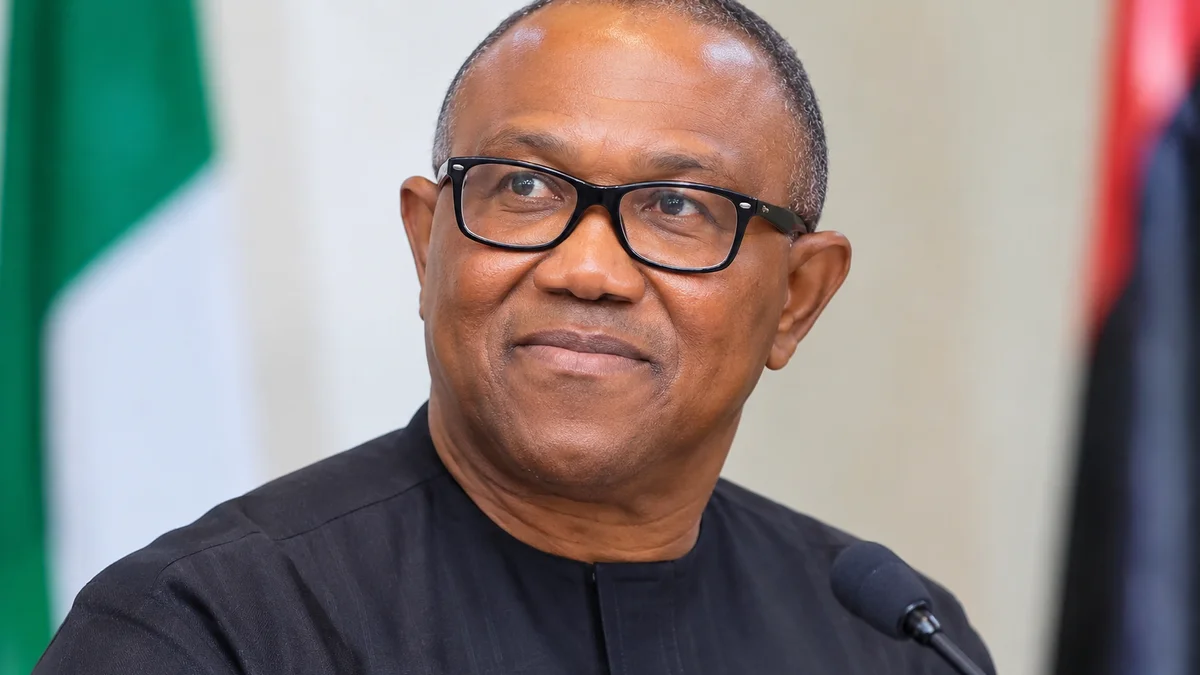
As preparations for the upcoming political cycle gather momentum across the country, political figures and parties are continuously strategizing on how to safeguard the electoral process and ensure that every ballot cast by citizens counts. In a recent media interaction that has drawn widespread public commentary, prominent political figure and former Anambra State governor Peter Obi revealed significant plans regarding the management and transmission of votes. He announced that his political camp intends to implement a dual result transmission framework for the 2027 general elections. This system is designed to independently monitor and record voting outcomes right from the grassroots level up to a centralized situation room.
Detailing the strategy during an exclusive television interview, Obi emphasized that transparency and accuracy remain the most critical components of any credible democratic election. He pointed out that protecting the integrity of the vote requires active participation and independent verification mechanisms. Under the proposed arrangement, as votes are officially submitted to the designated portal managed by the Independent National Electoral Commission, a parallel electronic record will simultaneously be transmitted to an independent situation room. This ensures that stakeholders, observers, and the general public have immediate access to authentic polling unit figures as they are officially recorded and declared on site.
Addressing potential concerns or criticisms regarding whether such a framework constitutes a parallel electoral process, Obi firmly rejected the notion. He clarified that the objective is not to usurp the statutory responsibilities of the electoral commission, but rather to promote openness, accountability, and public confidence. According to his explanation, multiple civic organizations and interested agencies frequently deploy independent monitoring tools to keep track of electoral data. By introducing a reliable digital tracking mechanism, the arrangement seeks to eliminate discrepancies and prevent scenarios where announced tallies differ from figures originating directly from individual polling units.
Obi further elaborated on the broader picture of democratic governance, drawing comparisons with neighboring African nations like Ghana where electoral processes are often perceived as smoother and more transparent. He argued that conducting a free, fair, and credible election is entirely achievable if the right administrative willpower is applied. In his view, avoiding administrative errors and maintaining strict adherence to established voting guidelines will significantly reduce post-election disputes and restore absolute trust among the electorate.
Beyond technical logistics, Obi framed the upcoming 2027 general elections not merely as a contest between competing political parties, but rather as a collective civic movement representing ordinary citizens against systemic institutional failures. He noted that everyday Nigerians across diverse economic backgrounds are united by shared challenges, including economic hardship, insecurity, and limited access to basic social amenities. Consequently, the electoral choice ahead goes beyond party lines, focusing instead on structural reform, better governance, and the revitalization of national potential.
The announcement has sparked intense debates among political analysts, civil society organizations, and supporters across social media platforms. While some commentators praise the proactive approach toward safeguarding votes and enhancing transparency, others emphasize the importance of constructive collaboration with the electoral umpire to build a seamless system. As political actors continue to position themselves ahead of the polls, discussions surrounding technology deployment, result collation integrity, and voter education will undoubtedly remain at the forefront of national discourse.