










By Faith Eze
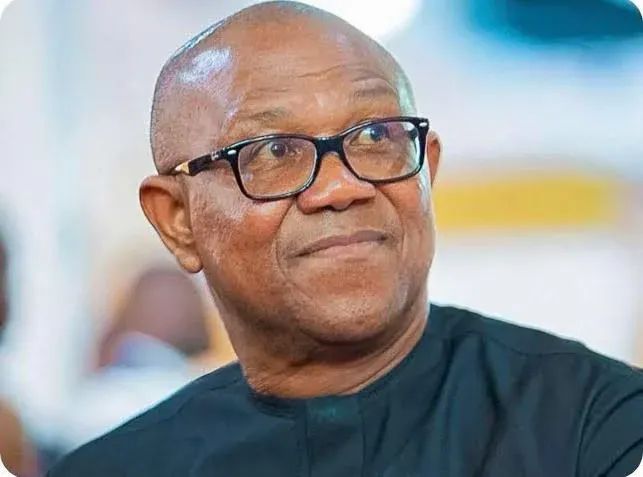
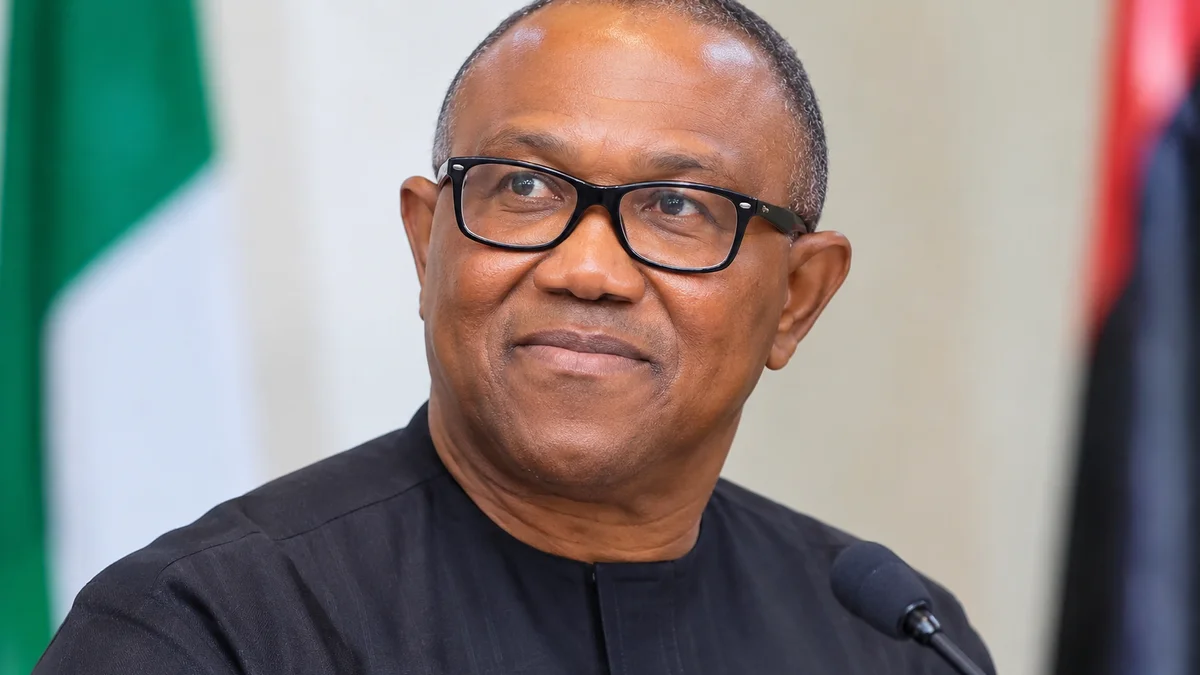
The political environment leading up to the upcoming general elections continues to generate intense public discussion, drawing a wide range of reactions from both supporters and critics across the country. Recently, prominent political figure and former presidential candidate Peter Obi found himself at the center of widespread media attention following a passionate declaration he made during a town hall interactive session held in Port Harcourt. During the event, while responding to a supporter who expressed fierce determination to protect the electoral process, Obi remarked that he was equally prepared to make sacrifices to ensure that the voices and votes of ordinary citizens are respected.
This phrasing quickly drew diverse interpretations and sparked extensive debates across television broadcasts, print media, and social networking platforms.
To clear up any potential misunderstandings, misinterpretations, or concerns regarding his true intentions, Obi addressed the issue directly during a subsequent media appearance on Arise Television. He explained that his remarks were entirely symbolic and should not be misconstrued as an encouragement of violence, lawlessness, or physical confrontation.
According to his clarification, the exchange arose naturally from a dialogue with everyday citizens who voiced deep-seated frustrations over past electoral anomalies and expressed their personal resolve to stand guard at polling booths. By stating that he was prepared to stand alongside them, his primary goal was to demonstrate solidarity, empathy, and an absolute commitment to the collective struggle for electoral integrity.
Expanding further on the core message behind the gathering, Obi emphasized that the main focus must remain on peaceful civic participation and robust institutional vigilance. He noted that safeguarding a democracy requires active grassroots involvement rather than passive observation from the sidelines. In his view, the fundamental responsibility of political movements and conscious voters is to ensure that every single ballot is meticulously counted, accurately recorded at the polling unit level, and securely transmitted without interference. He argued that when the voting process is completely transparent and insulated from manipulation, the true choice of the electorate will naturally prevail.
Addressing logistics and transparency measures, Obi outlined plans to implement a reliable mechanism to monitor outcomes directly from the grassroots to a centralized situation room. He pointed out that ensuring transparency does not amount to setting up an unlawful parallel authority, but rather serves as a proactive measure to ensure that announced tallies accurately match what was recorded at individual polling units. Drawing comparisons with neighboring democratic nations, he insisted that conducting a simple, free, and transparent election is entirely achievable if the right administrative willpower and commitment to rules are applied by all stakeholders.
The clarification has prompted varied reactions from political analysts, civil society groups, and the general public. Supporters have defended his stance, viewing the rhetoric as a passionate expression of leadership resolve in the face of systemic governance challenges. They argue that political figures must show strong moral courage when addressing issues of national importance, particularly when tackling widespread voter apathy and structural flaws in public administration.
On the other hand, some commentators have cautioned public figures to exercise restraint with their choice of words, warning that emotionally charged expressions can easily be misinterpreted within a polarized political climate.
As political parties intensify their mobilization efforts ahead of the 2027 elections, discussions surrounding security, vote protection, and electoral transparency are expected to dominate public discourse. Both political actors and independent observers continue to emphasize the necessity of maintaining peace while demanding institutional accountability.
Ultimately, this ongoing dialogue highlights the high stakes involved in shaping the future direction of the country's democratic institutions and ensuring that the electoral wishes of the populace are faithfully reflected in the final outcomes.