










By Faith Eze
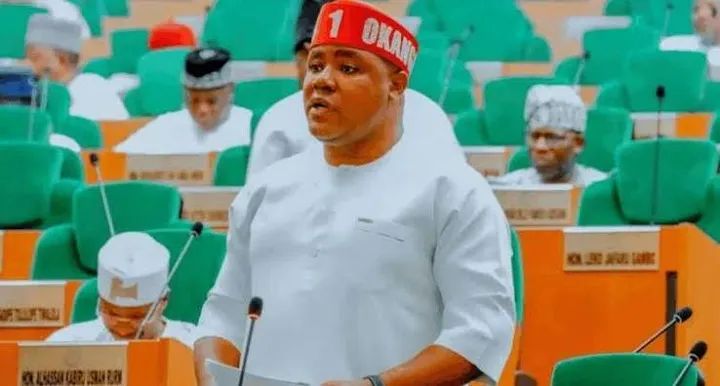
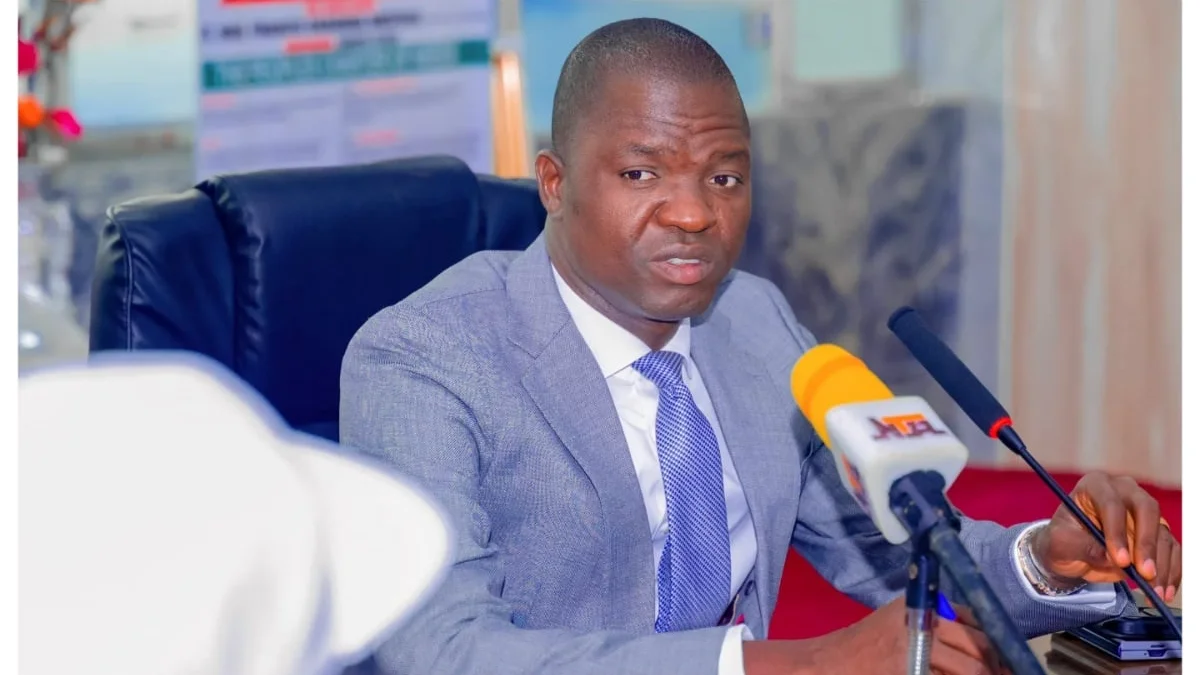
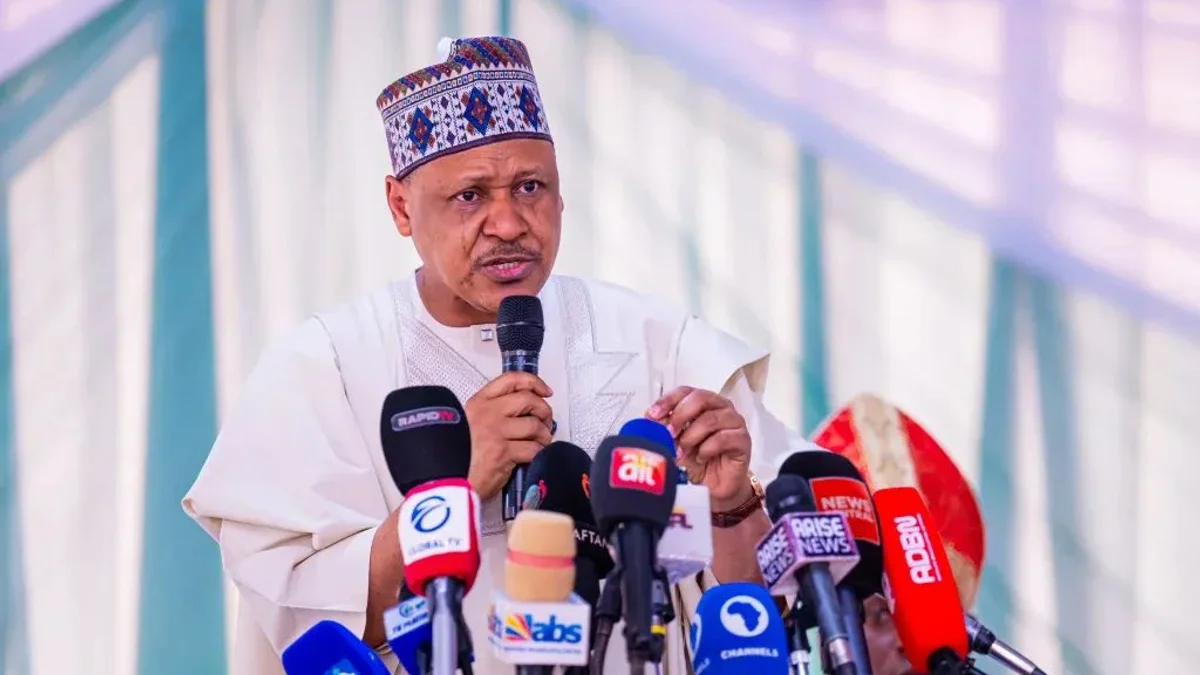
Recent public discussions concerning the administration of the Federal Capital Territory have centered heavily on project financing, accountability, and the legal frameworks guiding government expenditures. In response to mounting public debates and criticisms regarding financial transactions executed under the leadership of the Federal Capital Territory Minister, Nyesom Wike, a prominent parliamentary spokesperson has stepped forward to clarify the situation. The House of Representatives officially dismissed all allegations suggesting that the minister engaged in illegal or unauthorized financial borrowings, confirming that every step taken complied completely with established legal and administrative guidelines.
Addressing the media on behalf of the legislative body, parliamentary representatives emphasized that transparency and adherence to due process remain paramount in the management of public funds. Concerns had previously been raised by various commentators and opposition groups questioning the channels and approvals utilized for funding major infrastructural developments within the capital territory. Critics argued that large-scale urban renewal projects and infrastructural expansions require rigorous legislative scrutiny and adherence to fiscal responsibility laws to prevent administrative overreach or excessive debt burdens on the public treasury.
In countering these claims, the House spokesperson explained that all financing strategies employed by the Federal Capital Territory Administration underwent thorough evaluations and received the necessary statutory backing before implementation. The clarification underscored that the minister operated strictly within the boundaries of existing financial regulations, ensuring that project funding mechanisms were both legitimate and sustainable. Legislative oversight bodies maintain a close watch on executive spending, and officials noted that no infractions or violations of public procurement laws had been established regarding the administration's borrowing activities.
The defense from the national legislature highlights the ongoing dialogue surrounding governance, accountability, and infrastructural transformation in the nation's capital. Since assuming office, Nyesom Wike has driven an aggressive campaign focused on urban renewal, road construction, bridge rehabilitation, and the completion of long-abandoned public projects. These extensive development initiatives require significant capital allocation, often necessitating a combination of internally generated revenue, budgetary provisions, and approved financial partnerships to accelerate project delivery and meet the growing demands of urban expansion.
Public opinion on the matter remains divided, as is common in a vibrant democratic environment. Supporters of the administration point to the visible physical transformations taking place across the Federal Capital Territory as clear evidence of purposeful leadership and efficient resource deployment. They argue that proactive administrative steps and innovative funding approaches are essential to overcome bureaucratic bottlenecks that historically delayed critical public works. From this perspective, timely project execution directly benefits residents by improving transportation networks, enhancing security through better street lighting, and modernizing public utilities.
Conversely, civic watchdogs and accountability advocates continually stress the importance of maintaining absolute transparency regarding public debt and financial commitments. They contend that while infrastructural growth is vital, ensuring that loan agreements, repayment terms, and public-private partnerships remain open to public scrutiny safeguards long-term economic stability. The insistence on rigorous documentation and adherence to legislative protocols serves as a crucial check on executive power, ensuring that public resources are managed with the highest degree of prudence.
As the political and administrative landscape continues to evolve, the clarification provided by the House of Representatives aims to put speculations to rest. By affirming that due process was duly observed in all financial arrangements, the legislature has reinforced confidence in the legality of the ongoing development projects within the capital. Moving forward, continued collaboration between the executive administration and legislative oversight committees will remain essential to sustaining infrastructural progress while maintaining public trust and financial transparency.