


















By Faith Eze
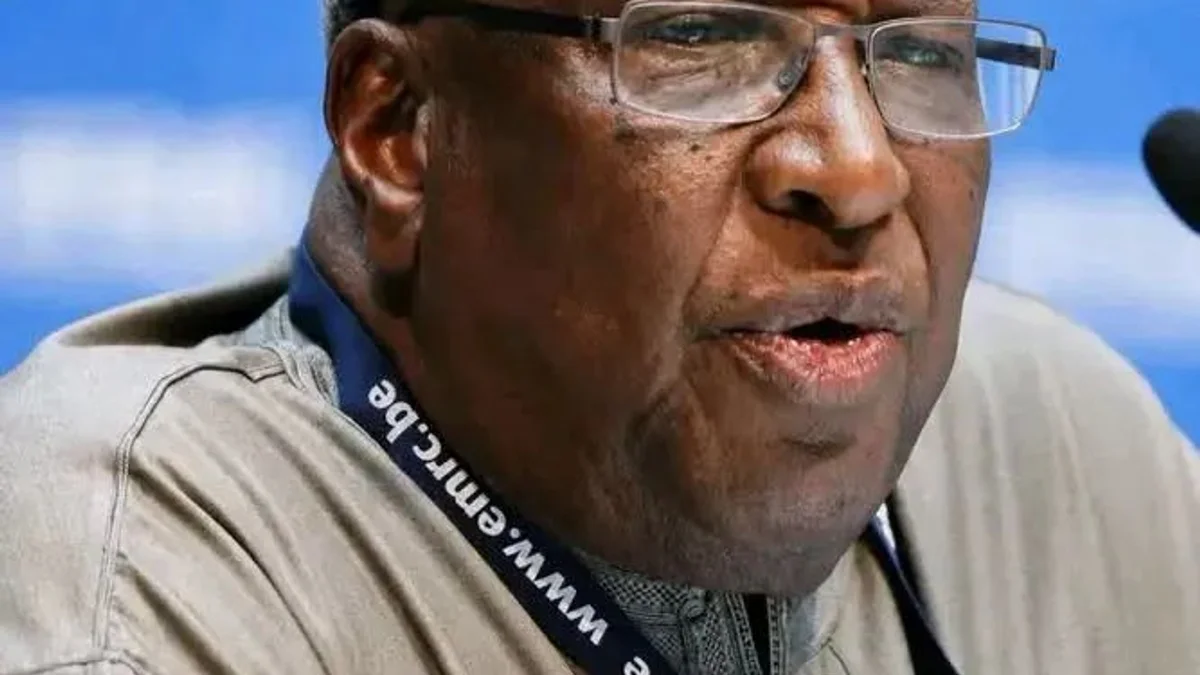
The Nigerian political landscape has been thrown into mourning following the death of one of its most prominent elder statesmen, Alhaji Bamanga Tukur. According to an official statement released by his family, the former National Chairman of the Peoples Democratic Party passed away peacefully at his residence in Abuja after a prolonged illness. He lived a long and impactful life, reaching the remarkable age of ninety years just days before what would have been his birthday. His death marks the end of an era for a man who wore many hats throughout his lifetime, serving his country as an accomplished public administrator, a successful businessman, and a core pillar of party politics.
Born on September 15, 1935, Tukur built a stellar professional foundation long before stepping into the turbulent waters of partisan politics. His early career featured significant milestones in public service, notably his tenure as the General Manager and Chief Executive of the Nigerian Ports Authority between 1975 and 1982. In this vital maritime role, he introduced crucial reforms that helped modernize port operations and infrastructure management during a critical period of economic growth in the country. His leadership style combined strict administrative discipline with a clear vision for institutional efficiency, earning him widespread respect among his peers and subordinates alike.
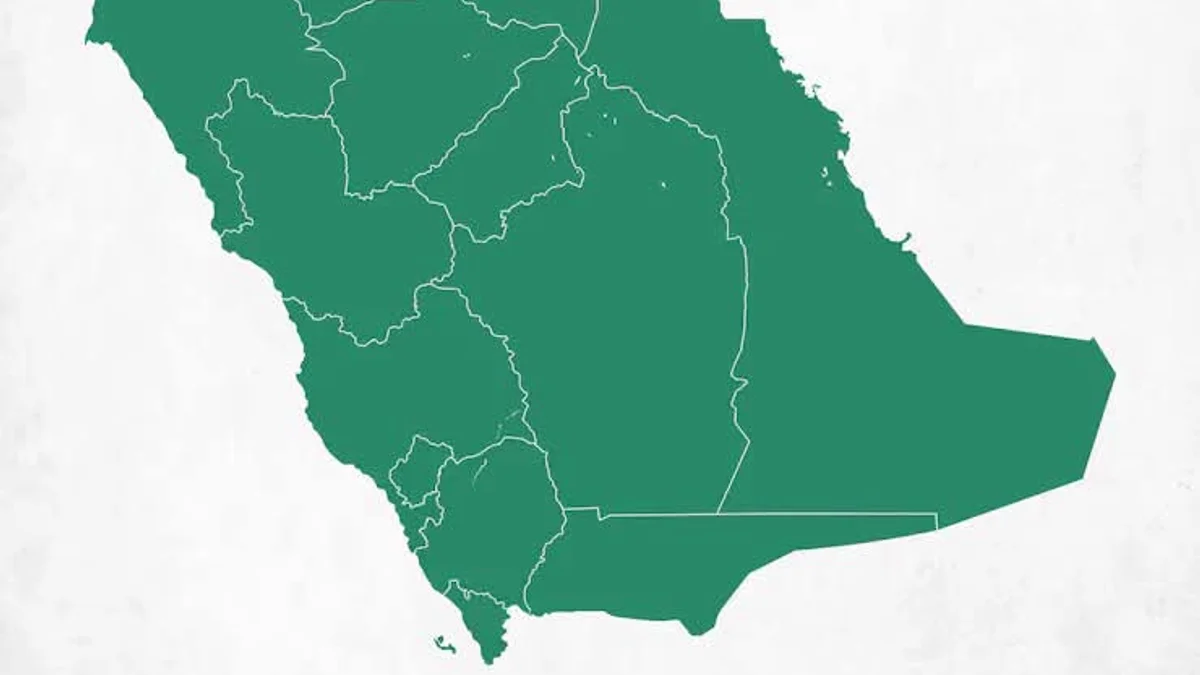
Transitioning from public administration into elective politics, Tukur offered his leadership to the defunct Gongola State. In 1983, he was elected as the executive governor of the state during the Second Republic. Although his tenure was abruptly cut short by a military coup later that same year, his brief time in office left lasting marks of development and grassroots connection across the region that now spans Adamawa and Taraba states. Undeterred by the interruptions caused by military interventions, he remained active in public discourse and later joined the race for the presidency during the Third Republic..
Beyond domestic politics, Tukur established a formidable reputation in the African and international business communities. He recognized the importance of cross-border economic integration and championed private sector growth across the continent. He served prominently as the Executive President of the African Business Roundtable and held leadership roles within the NEPAD Business Group, advocating tirelessly for policies that supported entrepreneurship, foreign investments, and infrastructural development across developing nations. His sharp business acumen and global networks elevated Nigeria's profile in international economic forums.
Returning to active federal government administration in the 1990s, Tukur was appointed as the Minister of Industries during the military administration of the late General Sani Abacha, serving from 1993 to 1995. In March 2012, at a time when the Peoples Democratic Party held power at the federal level, he emerged as the National Chairman of the ruling party. His time as party leader came during a period of intense internal friction and political realignments.
He steered the party through complex challenges until he stepped down from the position in January 2014. Following his resignation, he was appointed as Ambassador-at-Large by the federal administration to continue utilizing his vast diplomatic and administrative experience.
Holding the prestigious traditional title of the Tafidan Adamawa, Tukur was also honored nationally, receiving the Commander of the Order of the Niger.
Throughout his life, he remained a father figure, mentor, and patriarch to a large family, leaving behind wives, children, and grandchildren. Tributes have poured in from political leaders, associates, and ordinary citizens alike, all praising his immense contributions to national development, peace, and democracy. Burial arrangements, including traditional Islamic funeral prayers, were organized to honor his memory and lay him to rest in accordance with his faith.