







By Isaac Mission
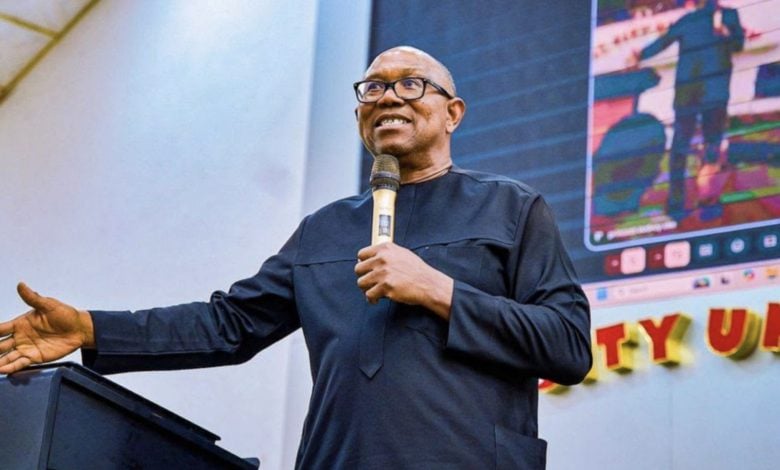
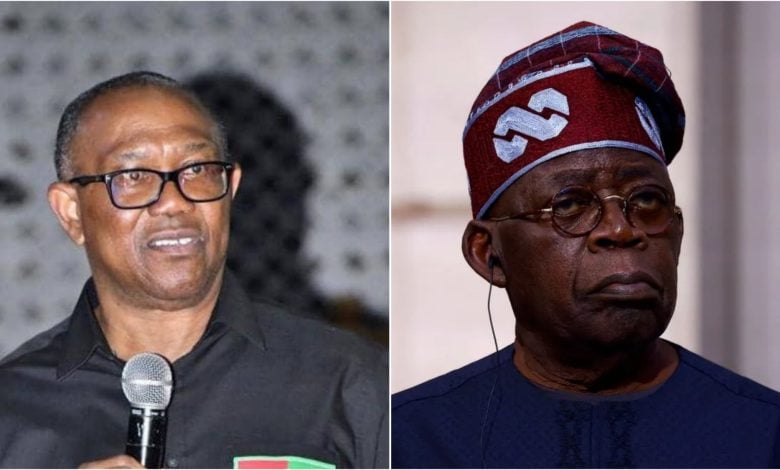
The media office of former Anambra State Governor and 2027 presidential hopeful, Peter Obi, has criticised the administration of President Bola Tinubu, identifying what it described as 10 major areas of failure ahead of the next general election.
The allegations were contained in a statement issued on Sunday and signed by Idris Zekeri Jnr, as Obi’s political camp continued to defend his record in public office and make a case for his presidential ambition.
Obi, who has been presented as the presidential candidate of the Nigeria Democratic Congress (NDC), is positioning his experience in governance, business and banking as part of his qualification to lead the country.
Obi’s Record in Anambra
In the statement, Obi’s media office dismissed suggestions that the former governor lacked the executive experience required to govern Nigeria.
It recalled his tenure as Anambra State governor between 2006 and 2014, including his return to office following the 2010 governorship election.
The office also highlighted what it described as Obi’s prudent handling of public finances while in government.
According to the statement, Obi’s 2023 presidential manifesto claimed that his administration left approximately $500 million in investments and savings, including $156 million in dollar-denominated bonds.
The media team argued that the record demonstrated the importance of combining developmental spending with financial planning and savings for the future.
Education was another area cited in defence of the former governor’s performance.
The statement referenced the return of mission schools to their original owners and collaboration with them in managing the institutions. It further claimed that Anambra’s performance in WAEC and NECO examinations improved significantly during the period, with the state attaining first position for three consecutive years.
Scholarships, healthcare initiatives, poverty mapping and other human-capital programmes were also mentioned as part of Obi’s achievements in office.
On healthcare, the media office claimed that more than 12 health institutions, including two hospitals, obtained accreditation during his tenure. It said there were no accredited institutions of that category when he assumed office.
The statement further pointed to Obi’s engagement with international development partners, including the World Bank, UNDP, DFID and the European Union.
It said these partnerships supported development programmes in Anambra and added that Obi’s administration used tools such as poverty mapping, aerial mapping and the Anambra Integrated Development Strategy to guide planning.
The media office also emphasised his experience in the private sector, particularly banking and business, as an advantage in managing the economy.
“Peter Obi is not asking Nigerians to make him President so that he can learn how government works,” the statement declared.
It added that his supporters believe his record in financial management, institution-building and human-capital development makes him qualified to lead Nigeria.
Media Office Lists Concerns About Tinubu’s Government
Turning its attention to the Tinubu administration, Obi’s media team outlined 10 areas it believes the Federal Government has failed to meet the expectations of Nigerians.
The criticisms centred on the economy, security, public accountability and the living conditions of citizens.
1. Rising Cost of Living
The office blamed the removal of the petrol subsidy and other economic reforms for increasing financial pressure on households.
It linked the policies to higher transportation fares and rising prices of food and other essential commodities.
2. Naira Depreciation
The statement also raised concerns over the decline in the value of the naira, arguing that it had increased the cost of imported goods, medicines, machinery and industrial inputs.
According to the office, businesses dependent on imported materials have faced higher operating expenses, with consumers ultimately bearing much of the burden.
3. Inflation and Reduced Purchasing Power
Obi’s media team argued that inflation had weakened the value of salaries and household earnings.
It said many Nigerians were still struggling to afford basic necessities despite the government’s continued defence of its economic policies.
4. Unemployment and Limited Opportunities
The statement criticised the administration over the difficulty many young Nigerians face in securing stable jobs and accessing productive economic opportunities.
It maintained that Nigeria needed an economy capable of generating sustainable employment and improving living standards.
5. Insecurity
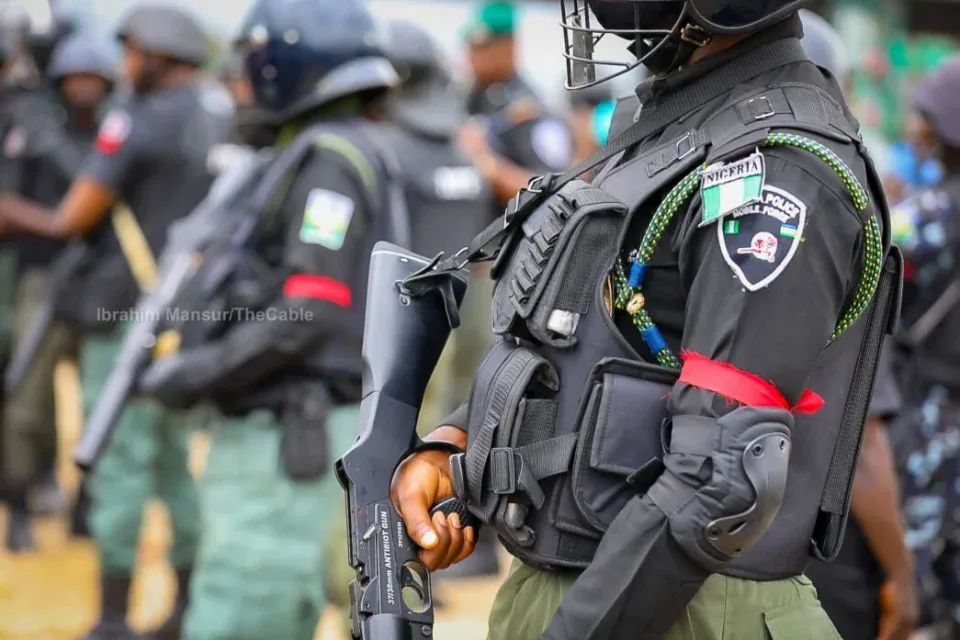
Security challenges, including terrorism, banditry, kidnapping and communal violence, were also listed among the administration’s shortcomings.
The office argued that persistent attacks and abductions had undermined public confidence and affected businesses across the country.
6. Transparency and Accountability
The media team expressed concerns about controversies surrounding government spending, appointments, procurement and the management of public resources.
It said such issues had contributed to questions about transparency and accountability in governance.
7. Gap Between Promises and Reality
According to the statement, there remains a significant difference between government promises and the everyday experiences of ordinary Nigerians.
It argued that citizens were more concerned about food prices, transportation costs, security and employment than official claims about reforms and projects.
8. Inadequate Relief for Citizens
The office accused the administration of failing to provide sufficient support to cushion the immediate effects of its economic policies.
It said the government should do more to reduce the hardship faced by households following the implementation of major reforms.
9. Economic Reform Outcomes
The media team questioned whether the benefits of the government’s economic reforms were reaching Nigerians.
It argued that difficult policies should ultimately translate into improved welfare and tangible economic gains for citizens.
10. Overall Government Performance
The final area of criticism focused on the administration’s performance after more than three years in office.
The office maintained that the government could not rely solely on the difficult conditions it inherited to justify its record.
It argued that Nigerians would assess the administration based on the realities of their lives and whether the sacrifices demanded by its policies were producing meaningful improvements.
Tinubu Government Defends Its Policies
The criticisms come amid an increasingly competitive political atmosphere ahead of the 2027 presidential election.
In June, the Presidency reportedly challenged Obi’s record as Anambra governor and questioned his ability to defeat President Tinubu.
Obi, however, has continued to argue that the election should be determined by the state of the country and the welfare of Nigerians rather than political structures alone.
Although he supports the removal of the petrol subsidy in principle, the former governor has criticised the management of the proceeds.
In August, he said:
“Well, I subscribe, and I maintain that you need to remove subsidy. Mismanagement of the proceeds should not be the reason for not removing it.”
The Federal Government has maintained that subsidy removal was necessary because the previous arrangement placed an unsustainable strain on government finances.
President Tinubu has pointed to initiatives such as the Compressed Natural Gas (CNG) programme, increased allocations to states and local governments, infrastructure development and efforts to attract investment as evidence of the administration’s reform agenda.
The government has also cited economic growth and moderating inflation as signs of progress.
The National Bureau of Statistics reportedly recorded real GDP growth of 3.89 per cent year-on-year in the first quarter of 2026.
Obi’s Camp Demands Tangible Results
The media office of Peter Obi maintained that Nigerians should not be expected to endure prolonged hardship without seeing clear benefits from government policies.
It argued that the central question was not whether President Tinubu inherited a difficult economy, but whether citizens were better off after the difficult decisions taken by his administration.
The statement concluded that Nigerians would ultimately judge the government by its impact on their daily lives, including the cost of living, security, employment and economic opportunities.
The exchange reflects the growing political debate over the direction of Nigeria ahead of the 2027 presidential election.