









-1200x675.webp)










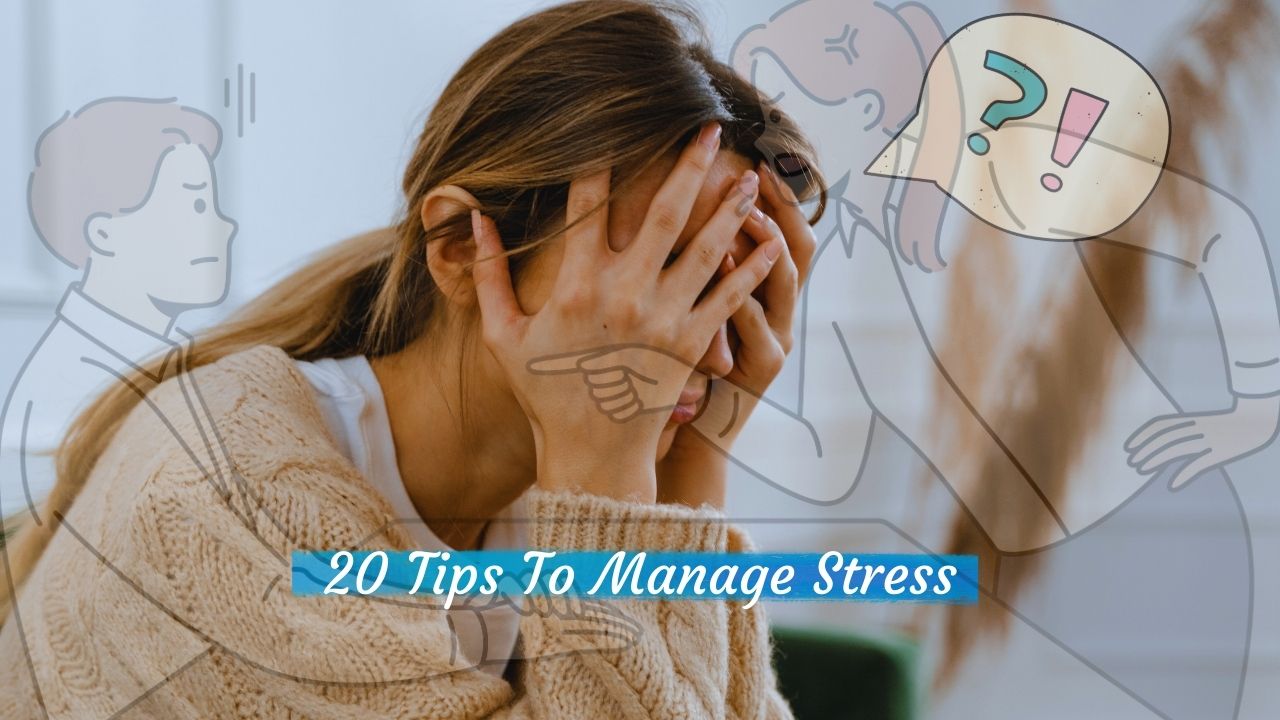
Let's Identify Stress
Stress is a normal part of life. However, too much stress can have negative consequences for your physical and mental health. Stress can lead to headaches, muscle tension, BP, sleep problems, and digestive problems which can lead to stomach ulcer. It can also make it difficult to concentrate and make decisions.
Stress is a feeling of physical or emotional tension. It can come from any event or thought that makes you feel frustrated, angry, or nervous. Stress is your body's reaction to a challenge or demand.

There are two main types of stress:
- Acute stress: This is short-term stress that goes away quickly. You feel it when you slam on the brakes, have a fight with your partner, or ski down a steep slope. It helps you manage dangerous situations.
- Chronic stress: This is long-term stress that can last for weeks, months, or even years. It can be caused by work, relationships, financial problems, or health problems. Chronic stress can have a negative impact on your physical and mental health.
Here are some of the common signs and symptoms of stress:
- Physical symptoms: These can include headaches, muscle tension, stomachache, fatigue, and difficulty sleeping.
- Emotional symptoms: These can include anxiety, irritability, anger, sadness, and difficulty concentrating.
- Behavioural symptoms: These can include smoking, drinking alcohol, overeating, or avoiding social situations.
It is important to remember that everyone experiences stress differently. What works for one person may not work for another. The most important thing is to find what works for you and make sure that you are taking care of yourself.
Tips to Manage Stress

There are many things you can do to manage stress. Some of the most effective stress-management techniques include:
- Identify your stressors: The first step to managing stress is to identify the things that are causing you stress. Once you know what your stressors are, you can start to develop strategies for coping with them.
- Exercise regularly: Exercise is a great way to relieve stress. It releases endorphins, which have mood-boosting effects. Aim for at least 30 minutes of moderate-intensity exercise most days of the week.
- Yoga: Yoga is a mind-body practice that combines physical postures, breathing exercises, and meditation. It can help to relax the body and mind and reduce stress.
- Meditation: Meditation is a practice that involves focusing your attention on the present moment. There are many different types of meditation, so find one that works for you.
- Deep breathing: Deep breathing is a simple but effective way to relax the body and mind. Take slow, deep breaths in through your nose and out through your mouth.
- Practice relaxation techniques: There are many different relaxation techniques that can help to reduce stress. Some popular techniques include progressive muscle relaxation, visualisation, and guided imagery.
- Get enough sleep: When you're sleep-deprived, you're more likely to feel stressed. Aim for 7-8 hours of sleep per night.
- Eat a healthy diet: Eating a healthy diet can help to improve your mood and energy levels, which can make it easier to cope with stress. Avoid processed foods, sugary drinks, and excessive caffeine.
- Spend time with loved ones: Spending time with loved ones can help to reduce stress and make you feel more supported. Make time for activities that you enjoy with the people you care about.
- Learn to say no: It's okay to say no to requests that you don't have time for or that will add to your stress. Learning to set boundaries can help you to protect your time and energy.
- Take breaks: When you're feeling stressed, take a break from whatever you're doing. Go for a walk, listen to music, or do something else that you enjoy.
- Take care of yourself: Make sure to take care of your physical and mental health. Get regular checkups, eat healthy foods, and get enough sleep.
- Set realistic goals: When you're feeling stressed, it's easy to feel overwhelmed. Break down your goals into smaller, more manageable steps. This will make them seem less daunting and more achievable.

- Avoid negative self-talk. When you are feeling stressed, it is easy to start thinking negative thoughts about yourself. Try to challenge these thoughts and focus on the positive aspects of your life.
- Spend time in nature. Being in nature has been shown to reduce stress levels. Go for a walk in the park, hike in the woods, or simply sit in your backyard and enjoy the fresh air.
- Laugh. Laughter is a great way to relieve stress. Watch a funny movie, read a joke book, or spend time with people who make you laugh.
- Be grateful. Taking some time each day to appreciate the good things in your life can help to reduce stress levels. Make a list of things you are grateful for, or simply take a few minutes each day to think about the things that make you happy.
- Take care of your body: When you're stressed, your body needs extra care. Make sure to get enough sleep, eat healthy foods, and exercise regularly.
- Learn to relax: There are many different ways to relax. Find activities that help you to de-stress, such as reading, listening to music, or spending time in nature.
- Seek professional help: If you're struggling to manage stress on your own, don't hesitate to seek professional help. A therapist can teach you coping skills and help you to develop a stress management plan.
Managing stress is an ongoing process. It takes time and effort to find what works best for you. However, the benefits of stress management are worth it. There will be times when you feel more stressed than others. But by following the tips above, you can learn to manage stress and live a healthy and balanced life.