















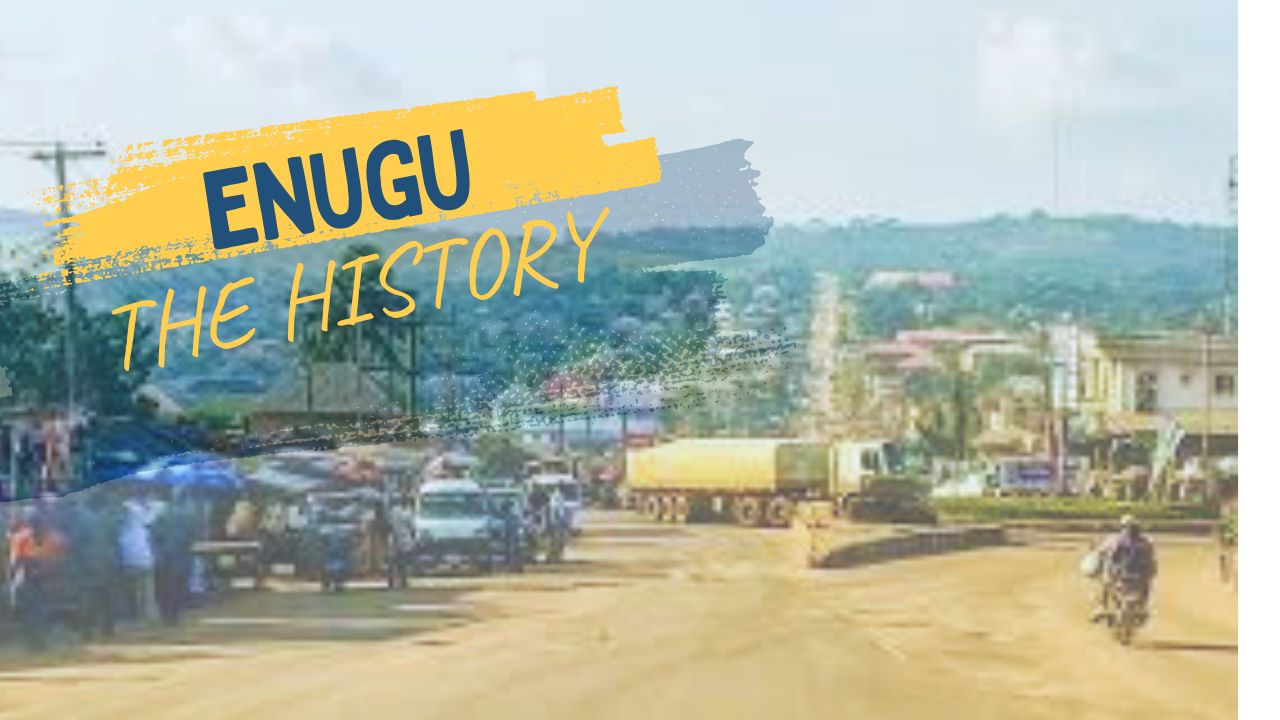
Enugu State, located in the southeastern part of Nigeria, has a rich history that reflects both its traditional roots and its evolution during the colonial and post-colonial periods. Here is a brief overview of the history of Enugu State:
1. Pre-Colonial Era
Before the arrival of the British, the area that is now Enugu was primarily inhabited by the Igbo people, one of the largest ethnic groups in Nigeria. These communities were organized in autonomous, decentralized societies without kings, governed by elders, age grades, and other traditional institutions. The area had a primarily agrarian economy, with people engaged in farming and local trade.
2. Colonial Period and Discovery of Coal
The history of Enugu is closely tied to the discovery of coal in 1909, which transformed it into an important economic hub during the British colonial period. The town of Enugu, which later became the capital of Enugu State, was originally established by the British as a small settlement to house workers in the coal mining industry.
- Coal Discovery (1909): The discovery of large coal deposits in Udi and the surrounding areas brought rapid development to Enugu. Coal mining began in 1915, making Enugu a major exporter of coal to Britain and other parts of the world. This led to the construction of railways connecting Enugu to Port Harcourt for the transportation of coal.
- Growth of Enugu: The town grew rapidly, attracting migrants from different parts of Nigeria who came in search of employment in the coal mines. Enugu became the administrative and commercial center of the coal mining region, giving it the nickname "Coal City."
3. Political Significance
- Capital of the Eastern Region: After Nigeria's independence in 1960, Enugu became the capital of the Eastern Region. It was a major administrative and political center for the Igbo-dominated region.
- Nigerian Civil War (1967-1970): During the Nigerian Civil War, Enugu played a crucial role as the initial capital of the secessionist state of Biafra. In May 1967, the military governor of the Eastern Region, Colonel Odumegwu Ojukwu, declared the region an independent republic, leading to the Nigerian Civil War (1967–1970). Enugu was the political and administrative center of Biafra until its capture by Nigerian forces in 1967, after which the Biafran capital moved to Umuahia.
4. Post-War and Creation of Enugu State
After the war ended in 1970, Enugu remained an important city in the southeastern region. It continued to be a center for commerce, culture, and education.
- Creation of Enugu State (1991): Enugu State was officially created on August 27, 1991, when it was carved out of the old Anambra State as part of a wave of state creation by the military government of General Ibrahim Babangida. Enugu city became the capital of the new state, with a government focused on economic development, infrastructure, and education.
5. Modern Enugu
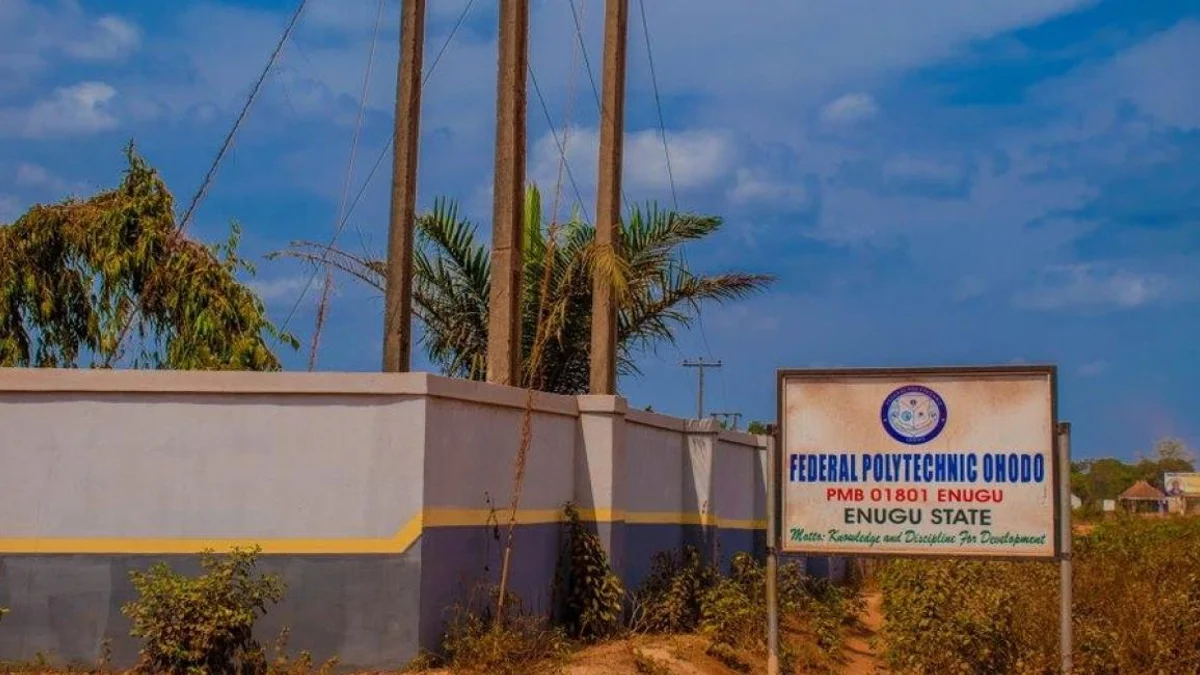
Today, Enugu State is one of Nigeria's 36 states and remains a vital cultural, political, and economic center in the southeast. The state is known for its educational institutions, including the University of Nigeria, Nsukka (UNN), established in 1960, which was the first indigenous university in Nigeria.
Key Cultural and Economic Aspects
- Economy: While coal mining has diminished in importance, Enugu's economy is diversified, with agriculture (particularly cassava, yam, and palm oil production), services, and light manufacturing playing significant roles.
- Culture: Enugu is a center of Igbo culture and heritage. The state hosts numerous festivals, traditional events, and is home to many historical sites.
Enugu's historical significance, especially as the "Coal City" and a former capital of Biafra, continues to be remembered in its development and identity.
Enugu State, located in the southeastern part of Nigeria, has a rich history that reflects both its traditional roots and its evolution during the colonial and post-colonial periods. Here is a brief overview of the history of Enugu State:
1. Pre-Colonial Era
Before the arrival of the British, the area that is now Enugu was primarily inhabited by the Igbo people, one of the largest ethnic groups in Nigeria. These communities were organized in autonomous, decentralized societies without kings, governed by elders, age grades, and other traditional institutions. The area had a primarily agrarian economy, with people engaged in farming and local trade.
2. Colonial Period and Discovery of Coal
The history of Enugu is closely tied to the discovery of coal in 1909, which transformed it into an important economic hub during the British colonial period. The town of Enugu, which later became the capital of Enugu State, was originally established by the British as a small settlement to house workers in the coal mining industry.
- Coal Discovery (1909): The discovery of large coal deposits in Udi and the surrounding areas brought rapid development to Enugu. Coal mining began in 1915, making Enugu a major exporter of coal to Britain and other parts of the world. This led to the construction of railways connecting Enugu to Port Harcourt for the transportation of coal.
- Growth of Enugu: The town grew rapidly, attracting migrants from different parts of Nigeria who came in search of employment in the coal mines. Enugu became the administrative and commercial center of the coal mining region, giving it the nickname "Coal City."
3. Political Significance
- Capital of the Eastern Region: After Nigeria's independence in 1960, Enugu became the capital of the Eastern Region. It was a major administrative and political center for the Igbo-dominated region.
- Nigerian Civil War (1967-1970): During the Nigerian Civil War, Enugu played a crucial role as the initial capital of the secessionist state of Biafra. In May 1967, the military governor of the Eastern Region, Colonel Odumegwu Ojukwu, declared the region an independent republic, leading to the Nigerian Civil War (1967–1970). Enugu was the political and administrative center of Biafra until its capture by Nigerian forces in 1967, after which the Biafran capital moved to Umuahia.
4. Post-War and Creation of Enugu State
After the war ended in 1970, Enugu remained an important city in the southeastern region. It continued to be a center for commerce, culture, and education.
- Creation of Enugu State (1991): Enugu State was officially created on August 27, 1991, when it was carved out of the old Anambra State as part of a wave of state creation by the military government of General Ibrahim Babangida. Enugu city became the capital of the new state, with a government focused on economic development, infrastructure, and education.
5. Modern Enugu
Today, Enugu State is one of Nigeria's 36 states and remains a vital cultural, political, and economic center in the southeast. The state is known for its educational institutions, including the University of Nigeria, Nsukka (UNN), established in 1960, which was the first indigenous university in Nigeria.
Key Cultural and Economic Aspects
- Economy: While coal mining has diminished in importance, Enugu's economy is diversified, with agriculture (particularly cassava, yam, and palm oil production), services, and light manufacturing playing significant roles.
- Culture: Enugu is a center of Igbo culture and heritage. The state hosts numerous festivals, traditional events, and is home to many historical sites.
Enugu's historical significance, especially as the "Coal City" and a former capital of Biafra, continues to be remembered in its development and identity.
Enugu State, located in the southeastern part of Nigeria, has a rich history that reflects both its traditional roots and its evolution during the colonial and post-colonial periods. Here is a brief overview of the history of Enugu State:
1. Pre-Colonial Era
Before the arrival of the British, the area that is now Enugu was primarily inhabited by the Igbo people, one of the largest ethnic groups in Nigeria. These communities were organized in autonomous, decentralized societies without kings, governed by elders, age grades, and other traditional institutions. The area had a primarily agrarian economy, with people engaged in farming and local trade.
2. Colonial Period and Discovery of Coal
The history of Enugu is closely tied to the discovery of coal in 1909, which transformed it into an important economic hub during the British colonial period. The town of Enugu, which later became the capital of Enugu State, was originally established by the British as a small settlement to house workers in the coal mining industry.
- Coal Discovery (1909): The discovery of large coal deposits in Udi and the surrounding areas brought rapid development to Enugu. Coal mining began in 1915, making Enugu a major exporter of coal to Britain and other parts of the world. This led to the construction of railways connecting Enugu to Port Harcourt for the transportation of coal.
- Growth of Enugu: The town grew rapidly, attracting migrants from different parts of Nigeria who came in search of employment in the coal mines. Enugu became the administrative and commercial center of the coal mining region, giving it the nickname "Coal City."
3. Political Significance
- Capital of the Eastern Region: After Nigeria's independence in 1960, Enugu became the capital of the Eastern Region. It was a major administrative and political center for the Igbo-dominated region.
- Nigerian Civil War (1967-1970): During the Nigerian Civil War, Enugu played a crucial role as the initial capital of the secessionist state of Biafra. In May 1967, the military governor of the Eastern Region, Colonel Odumegwu Ojukwu, declared the region an independent republic, leading to the Nigerian Civil War (1967–1970). Enugu was the political and administrative center of Biafra until its capture by Nigerian forces in 1967, after which the Biafran capital moved to Umuahia.
4. Post-War and Creation of Enugu State
After the war ended in 1970, Enugu remained an important city in the southeastern region. It continued to be a center for commerce, culture, and education.
- Creation of Enugu State (1991): Enugu State was officially created on August 27, 1991, when it was carved out of the old Anambra State as part of a wave of state creation by the military government of General Ibrahim Babangida. Enugu city became the capital of the new state, with a government focused on economic development, infrastructure, and education.
5. Modern Enugu
Today, Enugu State is one of Nigeria's 36 states and remains a vital cultural, political, and economic center in the southeast. The state is known for its educational institutions, including the University of Nigeria, Nsukka (UNN), established in 1960, which was the first indigenous university in Nigeria.
Key Cultural and Economic Aspects
- Economy: While coal mining has diminished in importance, Enugu's economy is diversified, with agriculture (particularly cassava, yam, and palm oil production), services, and light manufacturing playing significant roles.
- Culture: Enugu is a center of Igbo culture and heritage. The state hosts numerous festivals, traditional events, and is home to many historical sites.
Enugu's historical significance, especially as the "Coal City" and a former capital of Biafra, continues to be remembered in its development and identity.