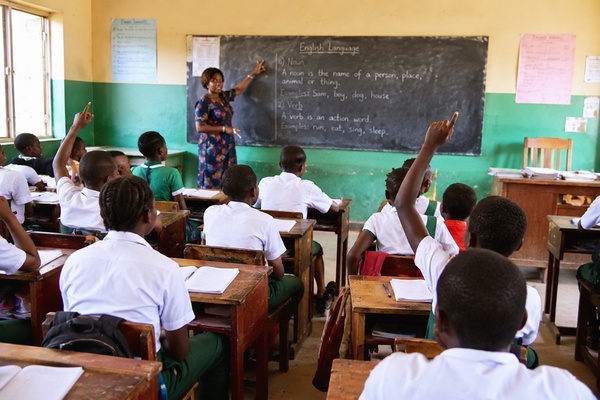















Stakeholders in the Southeast have called for stronger measures to protect children and vulnerable domestic workers from physical abuse, exploitation and psychological trauma in homes and communities.
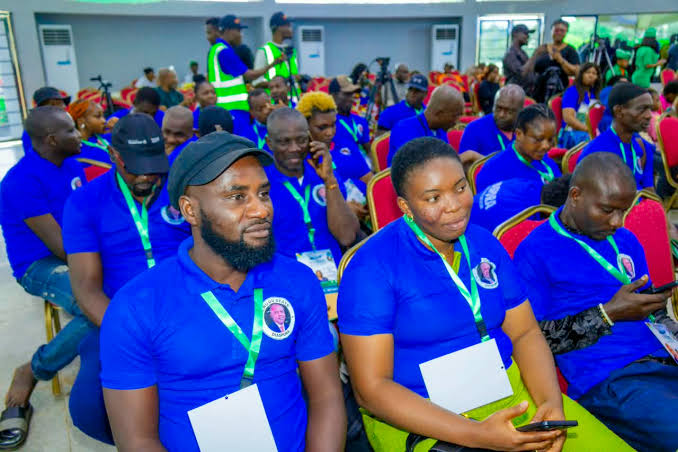
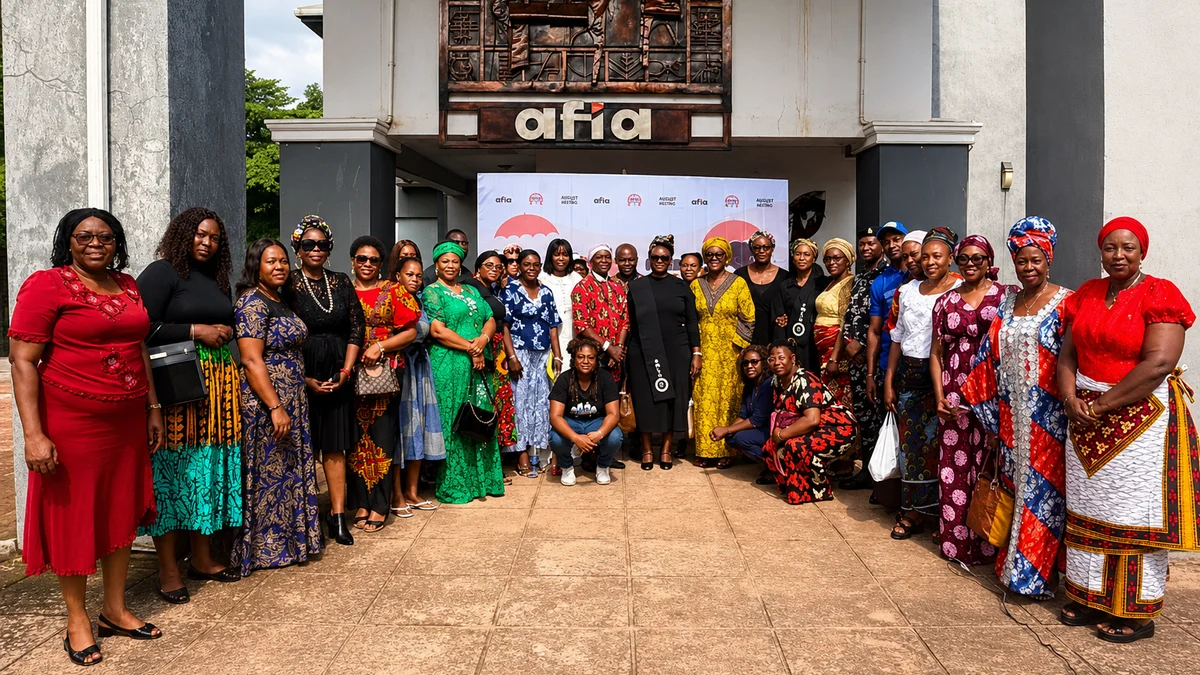
They made the call during an Afia TV town hall in Enugu titled “Nwa Bụ Nwa: Every Child Deserves Protection,” organised as part of activities marking the 2026 August Meeting.
The event brought together lawyers, mental health professionals, security officials, women’s organisations, community leaders and child-rights advocates to examine the growing concerns around violence against children and the mistreatment of domestic workers.
Opening the discussion, Afia TV Brand Manager, Vera Chidimma Oko, said the town hall was intended to encourage frank conversations about child abuse and identify practical measures for improving child protection.
Oko referenced UNICEF figures indicating that six in every 10 children in Nigeria experience some form of abuse. She stressed that protecting children requires collective responsibility from families, communities, institutions and government agencies.
She added that the discussion was not intended to blame women or families but to expose harmful practices that have become normalised in some homes and encourage concrete action against them.
Abuse cuts across religious and social groups
Pastor Caroline Ngozi Abba, a lawyer and state chairperson of the Women of Worth International Christian Association (WOWICAN), said child abuse should not be attributed to a particular ethnic or religious group.
Abba, who spoke about cases she had handled, said some children had suffered extreme violence, including cases that resulted in death. She urged Christians and other members of society to report abuse whenever they encounter it rather than waiting for religious leaders to intervene.
She also raised concerns about the treatment of some children employed as domestic helpers, alleging that some are denied adequate food and subjected to harsh living conditions.
Mental health expert Dr. Obianuju Modebelu warned that exposure to violence during childhood could have consequences that extend into adulthood and potentially create an intergenerational cycle of abuse.
According to her, individuals who grow up in abusive environments may eventually regard violence as normal and reproduce the same behaviour in their own relationships and families.
Modebelu said some parents and caregivers transfer personal frustrations onto children and domestic workers through physical punishment, insults and other forms of verbal abuse.
She particularly cautioned adults against mistreating domestic staff in the presence of children, noting that young people can learn abusive behaviour by observing how adults treat others.
She called for greater attention to the conduct of parents and caregivers as part of efforts to prevent child abuse.
Experts caution against ethnic profiling
Mma Ogbonna of the African Women Lawyers Association (AWLA) identified factors such as aggression, financial difficulties and instability within families as some of the issues that can contribute to violence in homes.
However, she rejected attempts to portray Igbo women as being uniquely responsible for child abuse, saying such claims could obscure the wider societal nature of the problem.
Lawyer Linda Ikpa also drew attention to emotional abuse, warning parents against comparing their children or describing one sibling as more attractive or valuable than another.
She said repeated comparisons could damage a child's self-esteem and leave lasting emotional scars.
Ikpa further urged mothers and other caregivers not to ignore or conceal cases of abuse involving their children.
NAPTIP warns against child labour
Annie Enweani, representing the International Federation of Women Lawyers (FIDA), Enugu State, called for increased public education on the various forms of violence that occur within homes and communities.
She noted that some people may not recognise physical, emotional, economic and gender-based abuse as forms of violence, making sustained sensitisation necessary.
The Enugu Zonal Command of the National Agency for the Prohibition of Trafficking in Persons (NAPTIP), represented by Mr. Awa Ukpai, warned against the exploitation of children as domestic workers.
Ukpai explained that not every task performed by a child amounts to child labour. According to him, legitimate work should not interfere with a child's education, development, health or general wellbeing.
He said child labour becomes a serious concern when children are burdened with responsibilities beyond their capacity or forced to work at the expense of school, rest and healthy development.
He gave the example of children who are required to wake up before other members of a household and perform extensive domestic duties before attending school, or who are prevented from attending school altogether.
Ukpai also said the NAPTIP Act provides a seven-year prison term for certain offences involving the abuse of minors. He added that the agency provides support services, including counselling, rehabilitation and shelter for victims.
Police identify cultural pressure as challenge
The Enugu State Police Public Relations Officer, SP Daniel Ndukwe, said child labour and abuse remain significant concerns in the state.
He disclosed that the police Gender, Women and Children Unit handles cases involving vulnerable children but identified interference from families and communities as one of the difficulties encountered during investigations and prosecutions.
According to Ndukwe, pressure from relatives and community members can increase when an alleged offender faces the prospect of imprisonment.
He called for greater public awareness and urged communities to examine cultural practices that may hinder efforts to protect children and prosecute offenders.
The stakeholders ultimately advocated continuous community sensitisation, accessible reporting channels, stronger enforcement of existing laws and more effective prosecution of offenders.
They also stressed that child abuse should not be reduced to an ethnic issue, while urging communities across the Southeast to confront harmful practices within homes that expose children and domestic workers to violence, exploitation and long-term psychological harm.