













By Isaac Mission
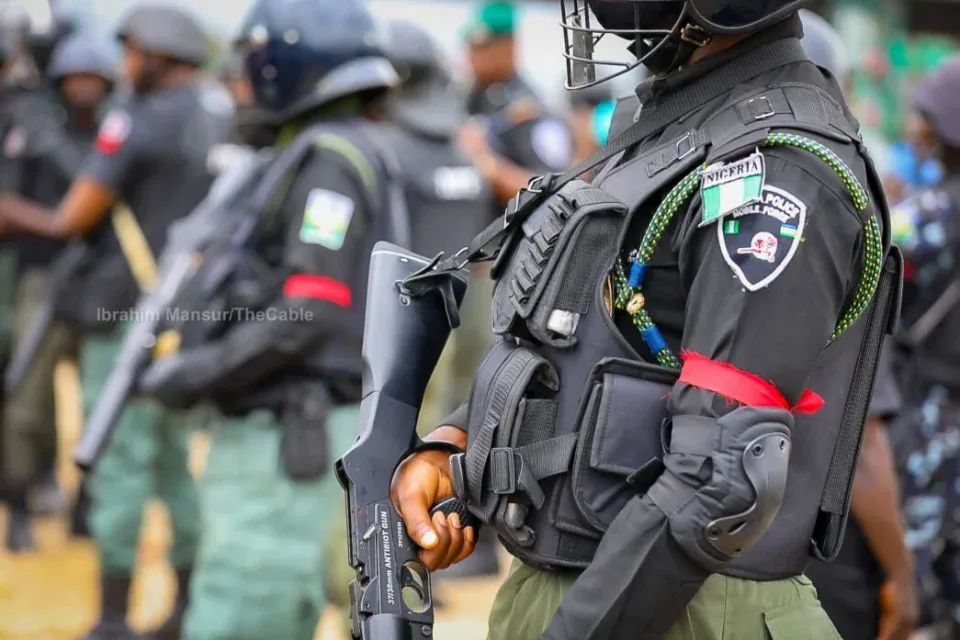
A civil society organisation, Stand For Humanity Foundation, has joined forces with the Imo State Police Command to intensify public awareness against drug abuse, cultism and other social vices in the state.
The campaign took place across parts of Owerri, the Imo State capital, with participants marching through major streets while distributing awareness materials and educating residents on the dangers associated with substance abuse and cult-related activities.
Despite the rainfall, campaigners gathered at the Dan Anyiam Stadium before moving through the city, using songs and public sensitisation to draw attention to the growing concerns surrounding drug abuse.
The founder of Stand For Humanity Foundation, Chidiebube Okeoma, said the organisation was working with the police through the Police Campaign Against Cultism and Other Vices (POCACOV) to address the problem.
Okeoma, who is also a child rights advocate, said findings from an investigation conducted by the foundation showed a strong link between drug abuse and child abuse.
He stressed that tackling substance abuse was essential to sustaining the fight against child abuse in Imo State.
Representing the Commissioner of Police, Audu Garba Bosso, the command’s spokesperson, DSP Henry Okoye, described the exercise as part of the police's non-kinetic approach to tackling drug abuse, sexual violence and other forms of crime.
Okoye said the initiative also supported the command's community policing strategy, adding that collaboration with organisations such as Stand For Humanity Foundation would strengthen efforts to make the state safer.
Meanwhile, the officer in charge of the command's Anti-Narcotics Unit, CSP Ifeanyi Ikokwu, raised concern over what he described as the increasing rate of drug abuse in the state.
He assured residents that the police would continue to work with relevant stakeholders to reduce substance abuse and its associated social problems.
Also speaking during the campaign, the Divisional Police Officer of Shell Camp Police Headquarters, Juliana Obidinanwa, expressed concern about drug use among teenagers.
She urged parents and guardians to pay closer attention to the behaviour of their children, noting that substance abuse had also become a concern among secondary school students.
Other personalities, including comic actor Osinachi Dike, popularly known as Apama, law professor Otitodiri Onyema and human rights activist and broadcaster Chinonso Uba, popularly known as Nonso Nkwa, called for the campaign to be extended to communities outside the state capital.
They stressed the need for sustained awareness programmes to prevent young people from falling into drug abuse and cultism, warning that failure to address the problem could have serious consequences for the younger generation.