



















By Faith Eze
The financial landscape in Nigeria is showing signs of a potential shift as global financial institutions weigh in on upcoming monetary decisions. According to recent reports, the Bank of America has predicted that the Central Bank of Nigeria is likely to resume its monetary policy easing cycle. This anticipated change means that the apex bank may look into cutting benchmark interest rates during its upcoming meeting. This outlook comes at a time when macroeconomic indicators, such as consumer inflation and currency stability, are presenting a more favorable environment for a change in monetary direction.
For quite some time, businesses and everyday citizens across the country have felt the heavy impact of high borrowing costs and rising prices of goods and services. When inflation climbs to uncomfortable heights, monetary authorities usually respond by tightening policies, which involves keeping interest rates high to discourage excessive borrowing and spending. While this strategy helps cool down price increases, it also makes loans very expensive for local businesses trying to expand, buy equipment, or manage daily operations. Manufacturing companies, small business owners, and agricultural producers have frequently voiced concerns over how these high lending rates squeeze their profit margins and slow down commercial activities.
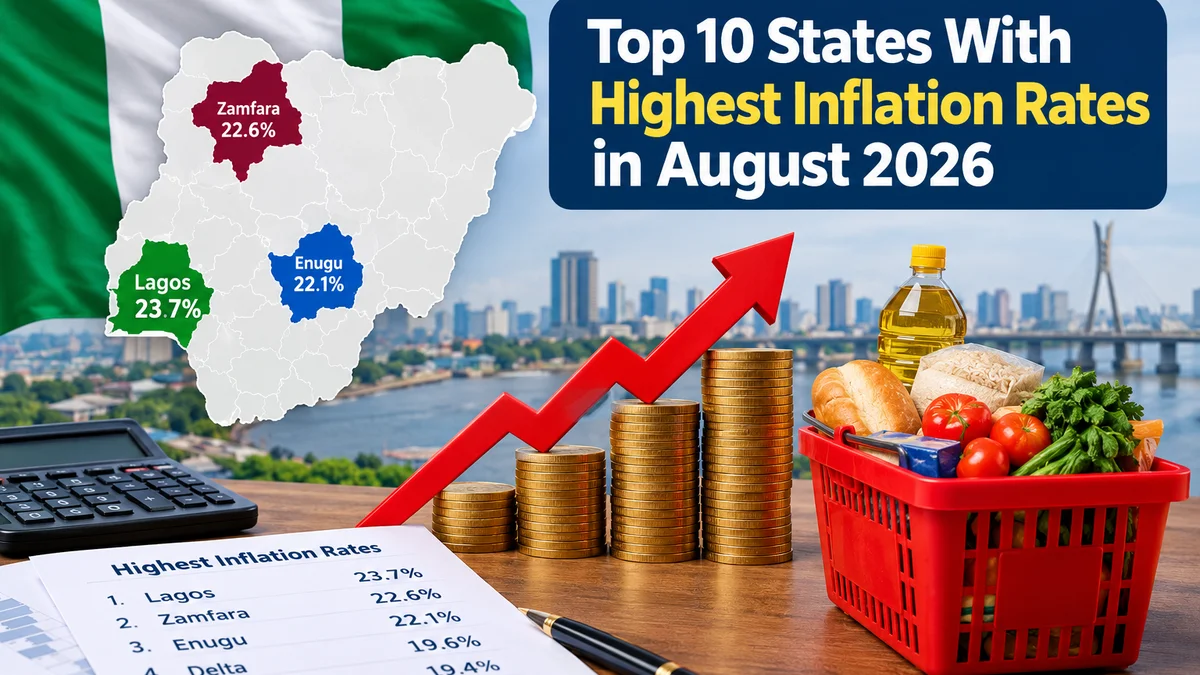
However, recent economic data has introduced a breath of fresh air. Reports indicate that inflation in Africa's most populous nation has begun to slow down over consecutive months. This cooling trend in consumer prices is partly driven by a slight moderation in food prices and a more steady currency exchange rate. Because the local currency has maintained a relatively stable footing against major global currencies despite various external pressures, financial analysts believe that the pressure on the central bank to keep tightening has eased.
The Bank of America noted in its latest evaluation that these improving indicators have created a favorable window of opportunity. The analysis suggests that the Central Bank of Nigeria now has enough room to begin a cautious easing process. Rather than keeping monetary policy strictly rigid, policymakers may choose to lower the monetary policy rate slightly to encourage more economic activity. Lowering the interest rate acts as an invitation for commercial banks to reduce their lending rates, which in turn makes credit more affordable for companies and individuals looking to invest in housing, agriculture, trade, and industry.
An eventual reduction in benchmark borrowing costs would deliver substantial relief to the commercial sector. Cheaper credit allows companies to finance new projects, hire more workers, and increase production output without suffocating under heavy loan repayment burdens. It also helps consumers manage everyday expenses a little better since the cost of credit card debt, personal loans, and mortgages tends to drop when overall benchmark rates fall.
Even with these positive projections, financial experts advise that monetary authorities always have to balance multiple economic forces. Factors such as global geopolitical tensions, fluctuations in international oil prices, and domestic fiscal shifts can quickly alter economic forecasts. Because of these variables, market watchers will be paying close attention to the discussions and resolutions that come out of the central bank's monetary policy committee meeting next week. Whether the decision results in a modest rate reduction or a careful hold, the outcome will set the tone for financial markets, commercial lending, and overall economic growth for the remainder of the year..