








By Isaac Mission
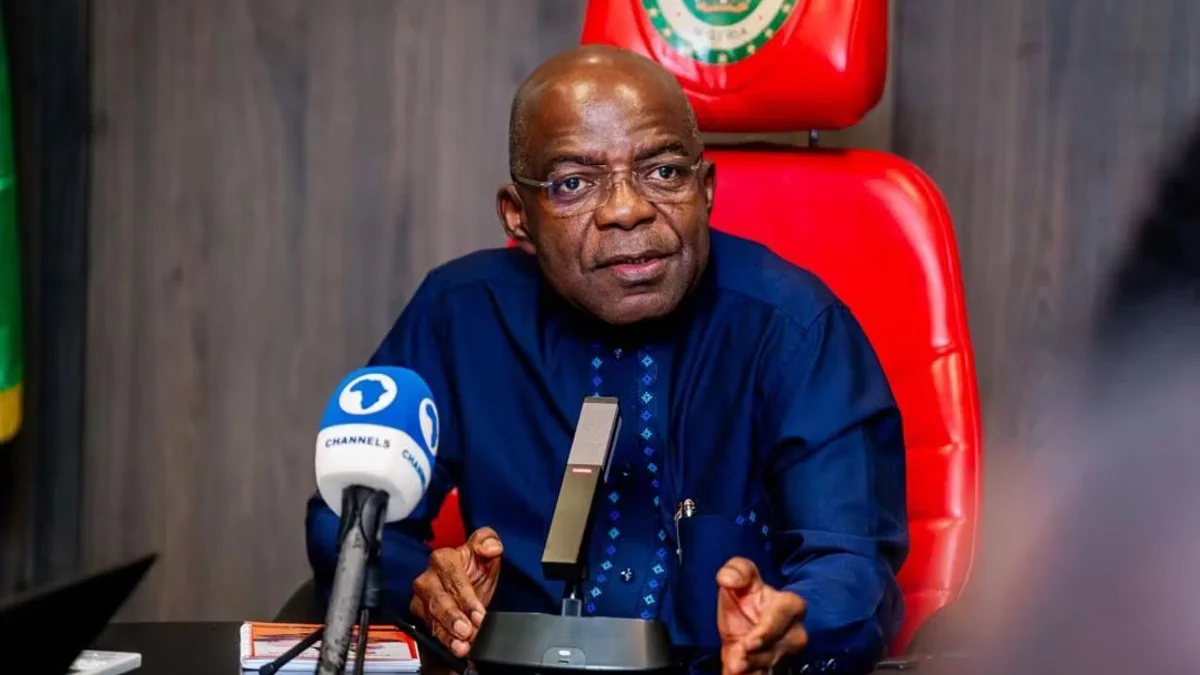
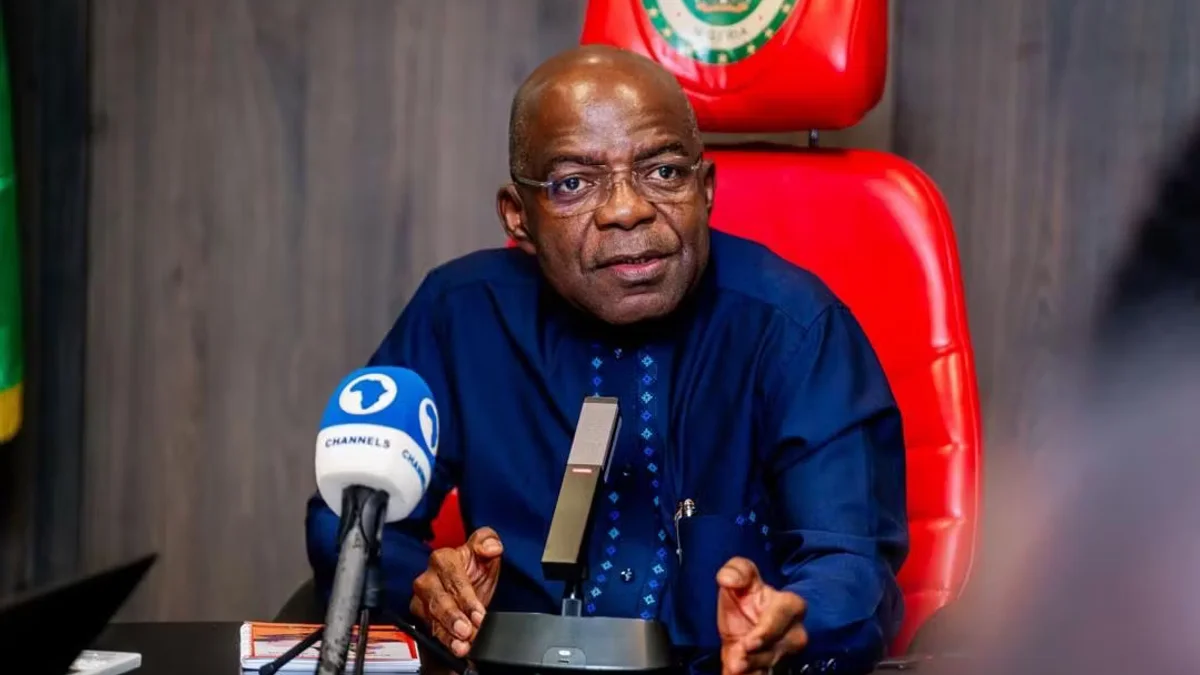
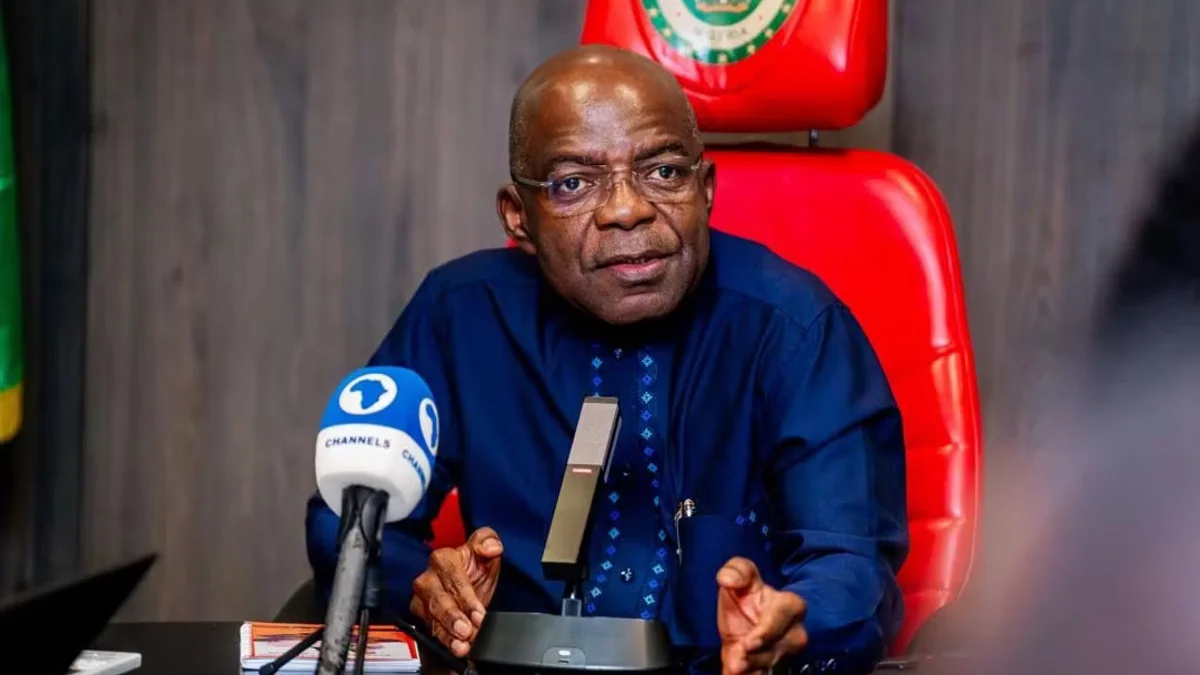
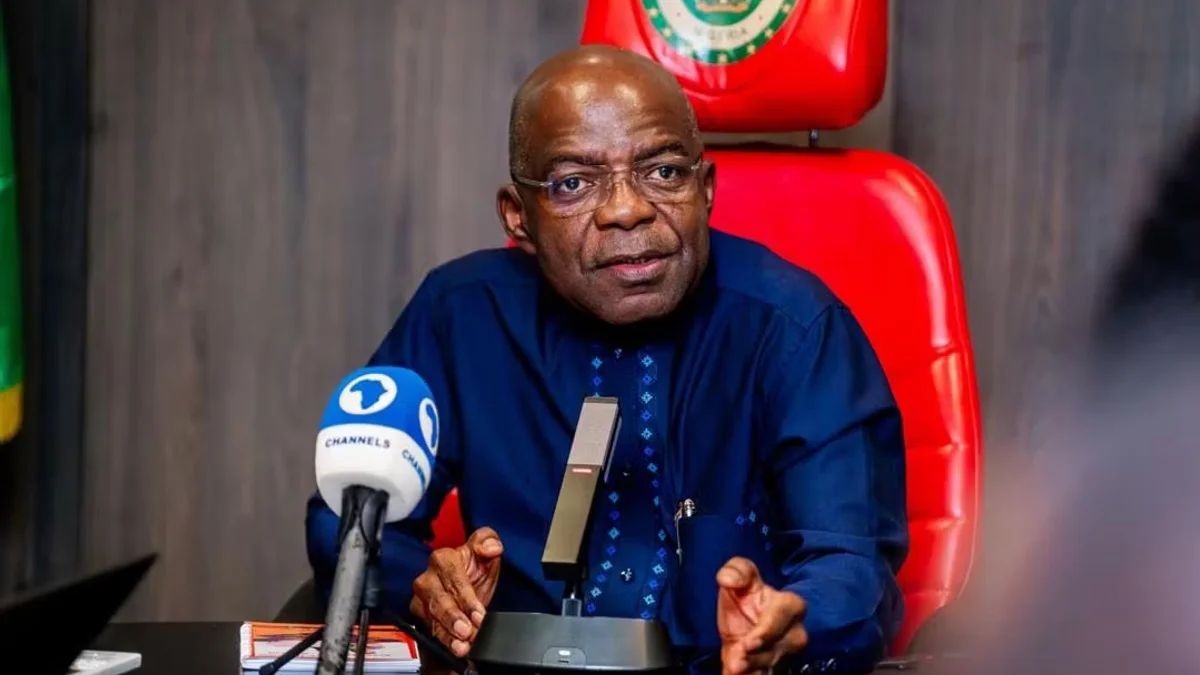
Abia State Governor Alex Otti has called on local and international investors to take advantage of the state’s improving infrastructure, security, education and business environment, describing the state as an increasingly attractive destination for investment.
Otti made the call while delivering a keynote address at the Nigerian-British Chamber of Commerce (NBCC) “Meet the Governor Series” held in Lagos on September 10, 2026.
The governor said sustainable economic development could not be achieved by government alone, stressing that the private sector must play a central role by investing in businesses that generate employment, encourage innovation and expand opportunities.
According to him, government’s responsibility is to create the conditions that make investment possible through infrastructure, effective institutions and protection of lives and property.
He said his administration’s efforts over the past three years had therefore focused on rebuilding Abia’s economic foundations and positioning the state to attract investment without relying heavily on publicity-driven investor campaigns.
Otti argued that investors generally respond to tangible improvements rather than elaborate campaigns, noting that capital tends to move toward locations where infrastructure, security and institutional stability reduce uncertainty.
He said his administration initially concentrated on rehabilitating major roads, particularly in commercial centres, to improve connectivity and restore confidence among businesses.
However, the governor noted that road construction was only one part of a broader development strategy. His administration also embarked on efforts to improve environmental sanitation and tackle insecurity, which he said had affected parts of the state when he assumed office.
Otti recalled that his government established a joint security operation known as “Operation Crush” with the objective of protecting residents, businesses and property from criminal activities.
He said the combination of infrastructure rehabilitation, improved security and environmental interventions had gradually changed public perception of the state, with residents beginning to experience greater optimism about economic prospects.
The governor, however, acknowledged that Abia had not yet become a model state, saying the administration’s priority had been to establish a strong foundation capable of supporting sustained development.
He pointed to government spending on infrastructure, healthcare, education, electricity and other sectors as evidence of the administration’s development strategy.
Otti said data from BudgIT and Phillips Consulting showed that Abia recorded the highest capital expenditure per resident based on available national expenditure figures. He attributed this partly to the state’s decision to devote at least 80 per cent of its annual budget to capital expenditure.
He also highlighted healthcare spending, saying the state’s allocation of about 15 per cent of its budget to the sector had contributed to Abia ranking highly in health emergency preparedness, according to SBM Intelligence.
Education, he added, receives 20 per cent of the state’s annual budget. Otti said recent assessments had placed Abia among the better-performing states in public education, while the state had retained the top position nationally for two consecutive years in NECO Senior School Certificate Examination performance among internal candidates.
The governor further pointed to Abia’s business environment and transportation system as areas where the state had recorded improvements.
He said the cost of public transportation in the state was the lowest in Nigeria when measured by expenditure per kilometre on regular transport services. Otti linked this to road improvements and investments in electric buses, which he said had helped provide cheaper intra- and inter-city transportation.
According to him, better transport infrastructure is also reducing operating costs for businesses by shortening travel and delivery times and improving overall efficiency.
Otti said the impact of these interventions was increasingly visible in major urban centres such as Aba and Umuahia. He claimed that some businesses that had previously relocated were returning, while young professionals and school leavers were showing greater willingness to build their careers in the state.
He also cited increased activity in the rental market and longer business hours as signs of stronger economic activity.
Beyond physical infrastructure, Otti said Abia’s greatest advantage remained the entrepreneurial culture and work ethic of its people, particularly in Aba, where many family-owned businesses had survived decades of economic and political challenges.
He argued that the resilience of the local workforce provided investors with a strong pool of people capable of helping businesses grow and remain competitive.
The governor said Abia was particularly suited to investors seeking to control operating costs, citing transportation, rent and security among areas where businesses could benefit from the state’s changing environment.
He also said the state’s consumer market was expanding as households and businesses moved into Abia, while public spending was helping to increase purchasing power across the economy.
Otti disclosed that fresh investments were already beginning to emerge. He cited a multi-million-dollar beverage manufacturing facility at Osisioma Industrial Layout, which he said was established by a regional investment group after his administration came into office in 2023 and was already supplying products to different markets.
He also referenced plans by a major agro-industrial company to invest $200 million in a 14,000-hectare oil palm plantation and processing facility in the state.
Another major project highlighted by the governor was the $263.8 million Abia State Integrated Infrastructure Development Project, backed by the African Development Bank and partners including the Islamic Development Bank and the Canada-Africa Development Bank Climate Fund.
Otti said the project would support the rehabilitation of 248 kilometres of roads in Aba and Umuahia, strengthen public transportation and advance waste-to-wealth initiatives, while promoting inclusive and climate-resilient development.
He said the growing interest from major companies and international development financiers demonstrated that investors were beginning to recognise the opportunities emerging in Abia.
The governor therefore encouraged business leaders and prospective investors to look beyond traditional perceptions of the state and consider establishing operations there.
“Invest in Abia; invest today,” Otti urged, presenting the state as a market with improving infrastructure, a growing consumer base, a resilient workforce and increasing private-sector activity.