











By Isaac Mission
The Abia State Government has dismissed reports that women who sell akara by the roadside are required to pay a N50,000 tax, describing the claim as inaccurate.
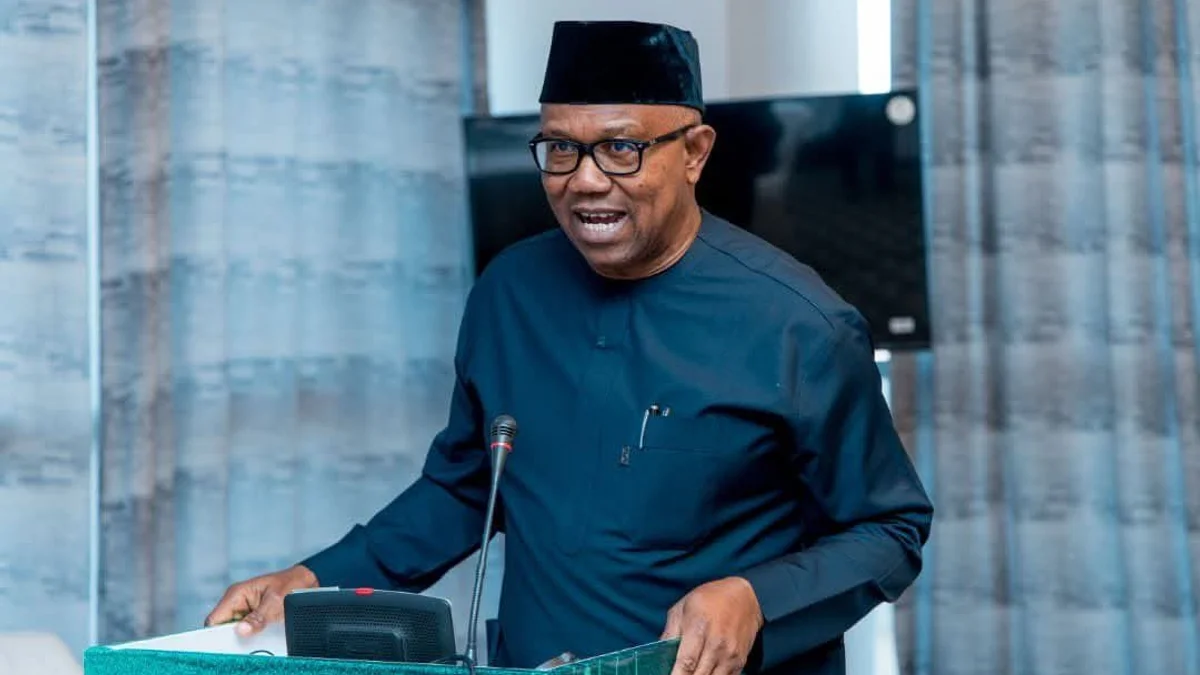
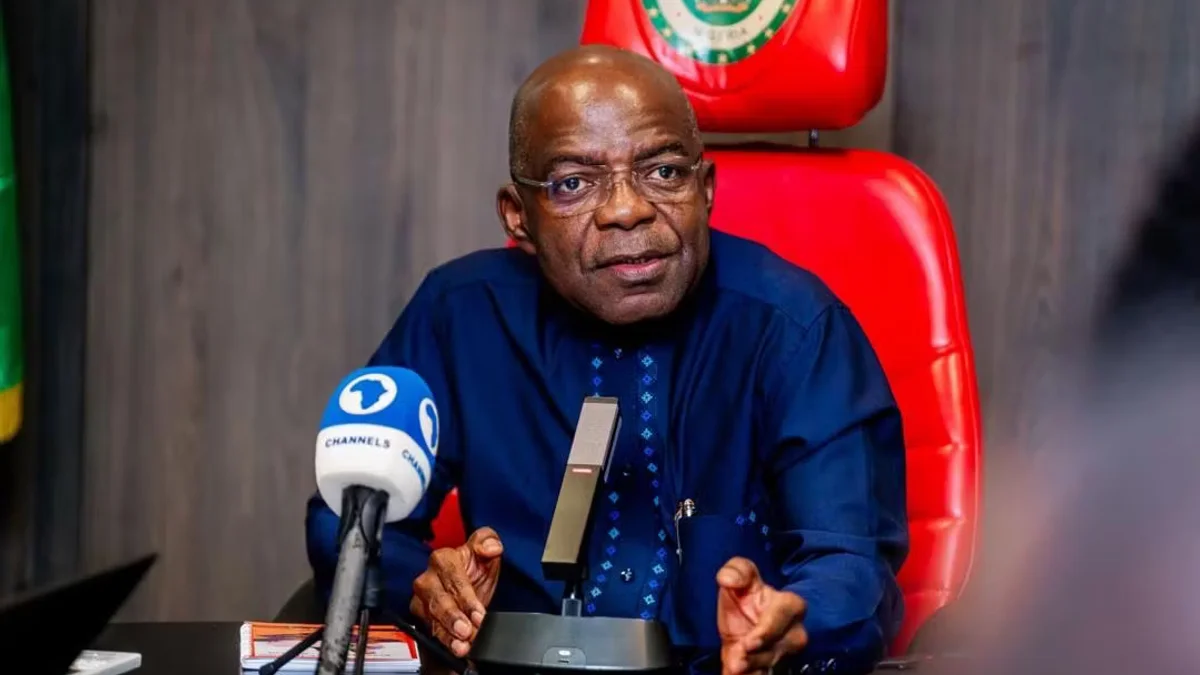
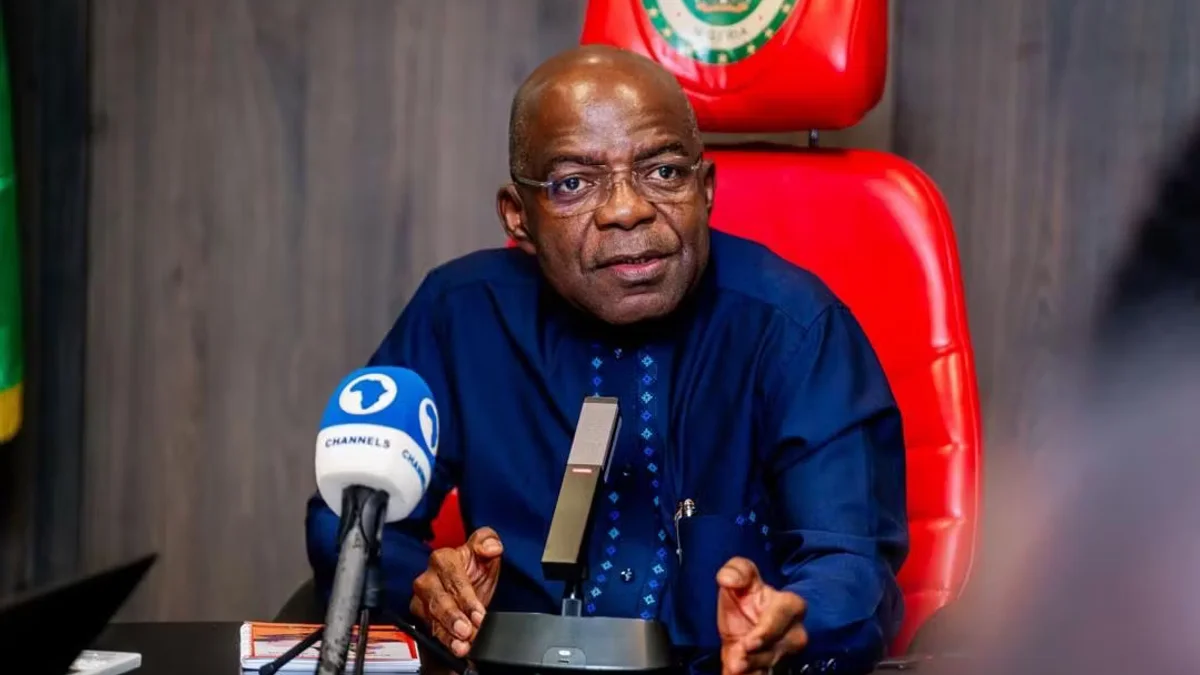
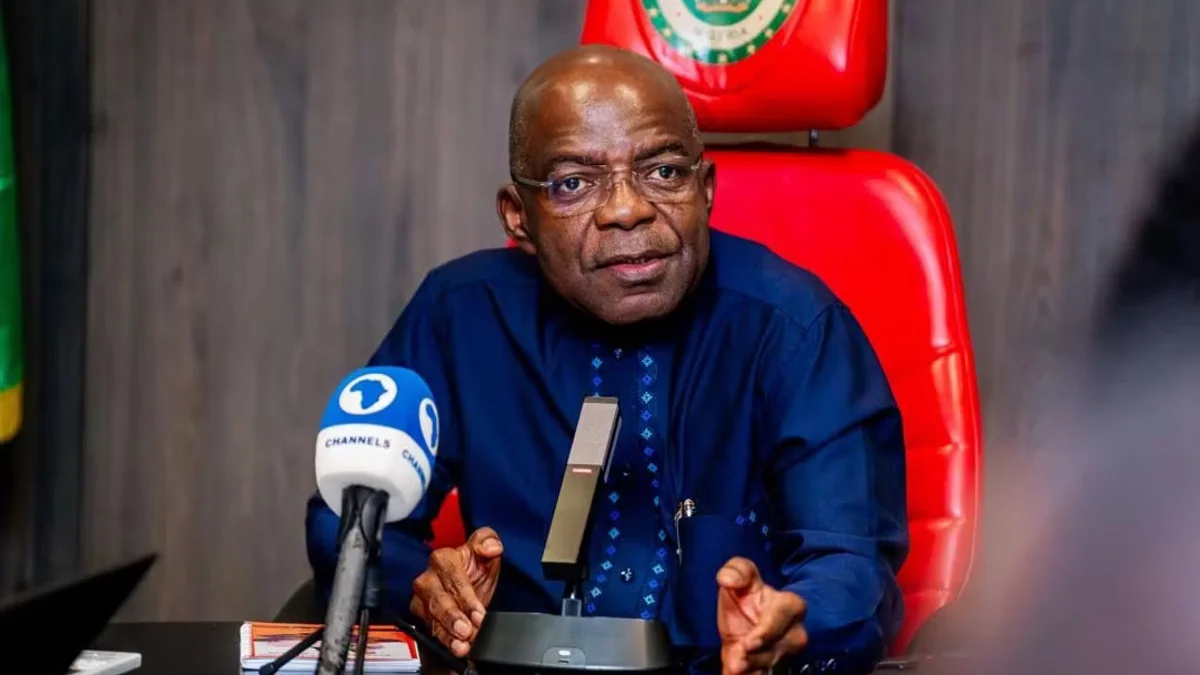
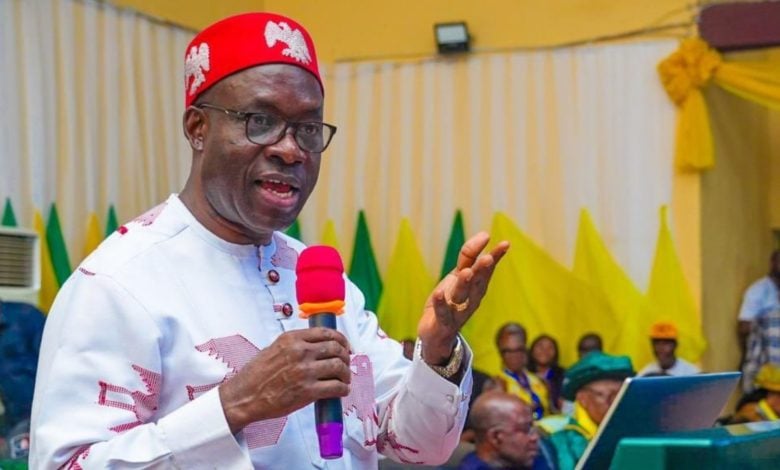
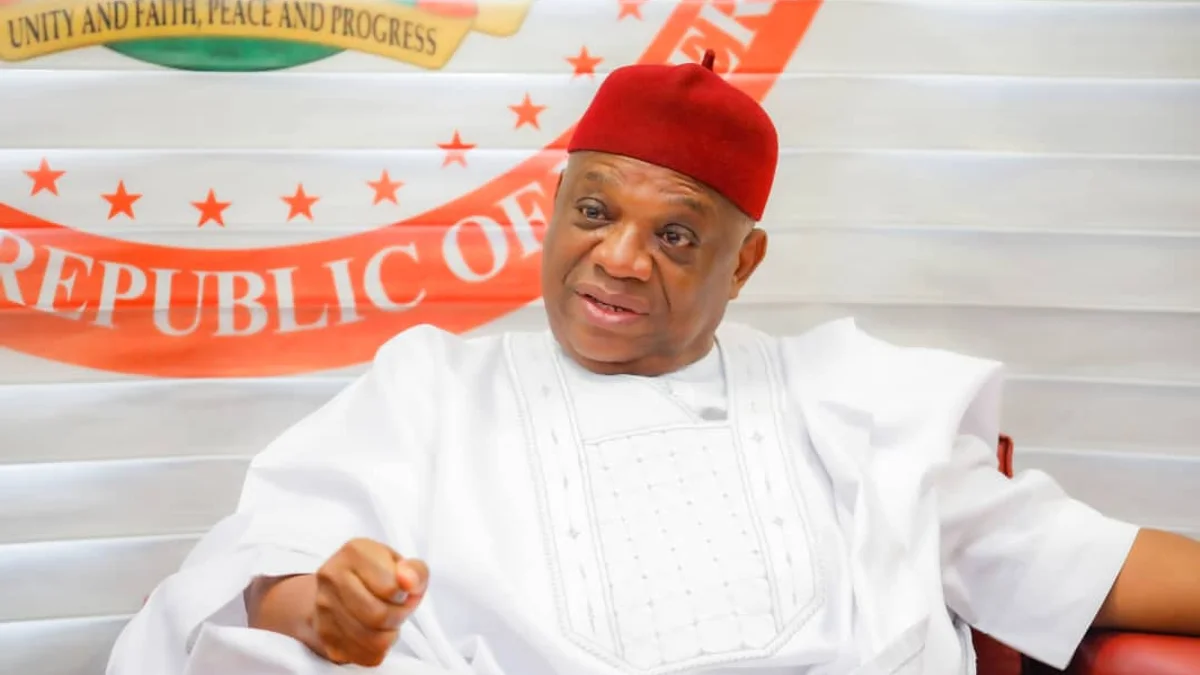
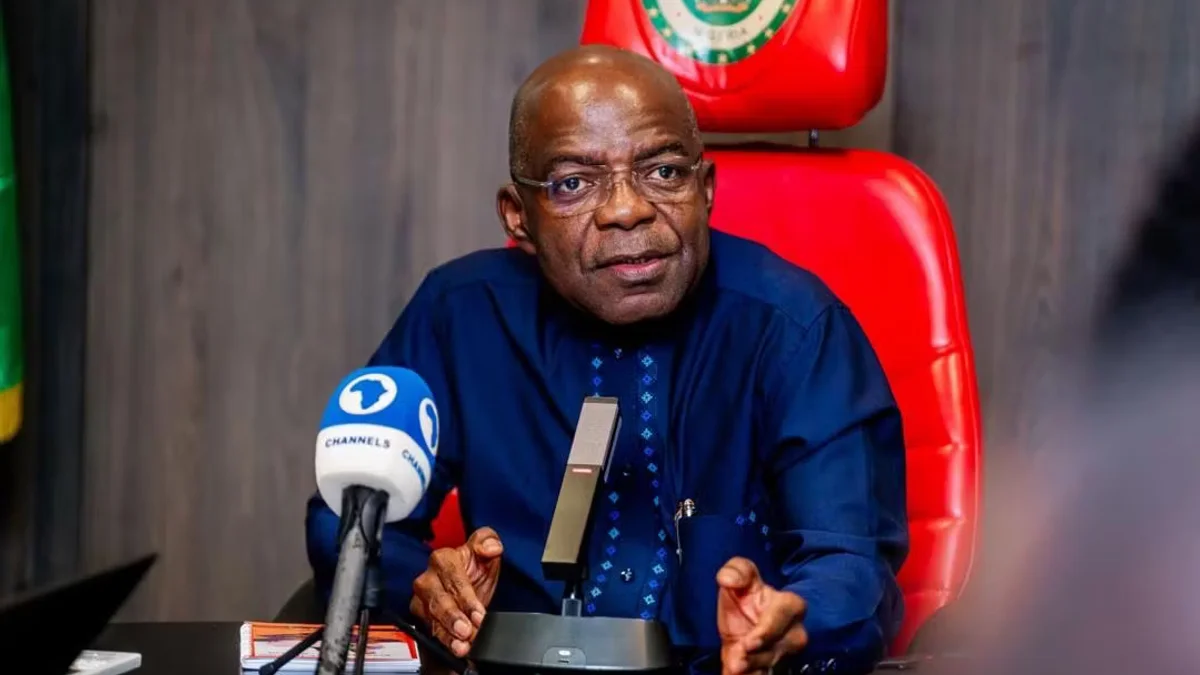
The state Commissioner for Information, Okey Kanu, made the clarification on Monday in Umuahia while briefing journalists on decisions reached at the Abia State Executive Council meeting chaired by Governor Alex Otti.
Kanu said the government had not introduced any new tax targeting small-scale traders and insisted that akara sellers are not subjected to the alleged N50,000 levy.
He explained that some roadside traders make daily toll payments, but said such payments should not be interpreted as a tax imposed by the state government.
“There is another one trending. It is the story of an akara seller who is paying N50,000 as tax. This is pure fallacy,” Kanu said, adding that akara sellers do not pay taxes or levies but may pay daily tolls.
The commissioner also maintained that the Otti administration had taken steps to eliminate multiple taxation in the state as part of its efforts to create a more favourable environment for residents and businesses.
According to him, the Abia State Board of Internal Revenue does not have the authority to increase taxes arbitrarily. He said any decision to raise taxes would have to receive the required approval from the Abia State House of Assembly.
Kanu consequently urged residents to disregard reports claiming that the government had imposed a N50,000 tax on women involved in akara sales.
He also rejected allegations that school proprietors and other business owners were being subjected to excessive taxation under the present administration.
The commissioner said the government’s tax policy was intended to support economic activity rather than force businesses out of the state. He added that the administration wanted businesses to remain operational and contribute to Abia’s economic growth.
Kanu further addressed the issue of pensioners, rejecting claims that the government only began paying gratuities because of pressure from opposition politicians.
He said the decision to address pensioners’ outstanding obligations was driven by the administration’s own policies and commitment.
The controversy surrounding the alleged levy comes amid previous national attention on petty trading following comments by First Lady Oluremi Tinubu.
In June, the First Lady encouraged Nigerians facing economic hardship to consider small businesses such as akara, roasted corn and kuli-kuli. She made the remarks after a second-quarter meeting of the Renewed Hope Initiative with the wives of state governors at the State House in Abuja.
Tinubu explained that some of the businesses could be started with modest capital and said beneficiaries of the initiative received grants rather than loans.
The remarks generated debate, with some Nigerians questioning whether petty businesses could provide a sufficient response to the broader economic challenges confronting households.
During a subsequent visit to Jigawa State, the First Lady disclosed that N100 million had been allocated to support 2,000 petty traders. Each beneficiary, she said, would receive N50,000 to strengthen their businesses.
She later clarified that the support was not limited to akara sellers, noting that tomato, pepper, vegetable and other petty traders were also among the beneficiaries.
President Bola Tinubu subsequently joined the public conversation in July when he jokingly referred to his wife as “Iya Alakara” at a Presidential Press Corps dinner, following the attention generated by her earlier remarks.