







By Faith Eze
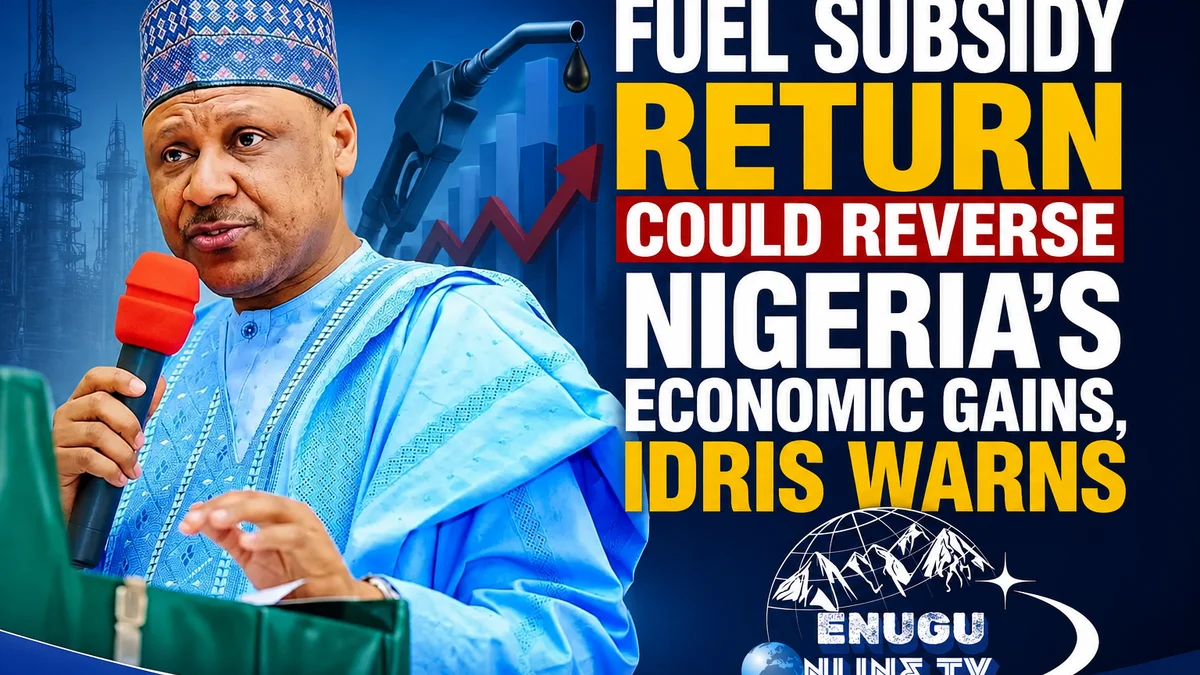
The debate over fuel subsidy has once again become a major issue in Nigeria, following renewed calls for a review or return of the policy. On August 24, 2026, Minister of Information and National Orientation Mohammed Idris warned that bringing back the petrol subsidy could reverse some of the economic gains recorded since the removal of the subsidy in 2023. Idris argued that returning to the old system could create fresh pressure on government finances, reduce investor confidence and bring back some of the problems associated with the previous subsidy regime. His comments come at a time when Nigerians are still dealing with high living costs, expensive transportation and pressure on household incomes. The government therefore faces the difficult task of defending its reforms while also responding to citizens who want immediate relief from the economic hardship.
Why Was the Fuel Subsidy Removed?
President Bola Tinubu announced the removal of the petrol subsidy shortly after taking office in May 2023. The policy had existed for many years and was designed to make petrol cheaper for Nigerians by having the government cover part of the cost. However, the subsidy became increasingly expensive and was also associated with problems such as smuggling, fuel shortages, corruption concerns and pressure on government revenue. Idris recalled that Nigeria spent about $10 billion on fuel subsidies in 2022, at a time when oil production and government revenues were under pressure. Supporters of the 2023 reform argued that the money being used to keep petrol prices artificially low could instead be used for roads, schools, hospitals, security and other important national needs. The International Monetary Fund has also said that ending fuel subsidies, together with other reforms, helped strengthen Nigeria’s macroeconomic stability and reduce fiscal vulnerabilities.
Government Says Subsidy Removal Released More Resources
One of the strongest arguments being made by the Federal Government is the amount of resources it says have been released since the subsidy was removed. According to Finance Minister and Coordinating Minister of the Economy Taiwo Oyedele, the government’s Reform Scorecard showed that subsidy savings mobilised about ₦15.8 trillion for the Federation between June 2023 and December 2025. The amount was estimated at approximately ₦5.43 trillion for the Federal Government, ₦6.52 trillion for states and ₦3.88 trillion for local governments. Idris said these resources created more fiscal space for different levels of government to meet obligations and support important projects. The government also pointed to increased spending on strategic infrastructure and social investment programmes, including student loans, credit initiatives and other interventions. However, the ₦15.8 trillion figure should not be understood as money sitting in one government account. It represents resources released within the broader federal system after the subsidy was removed.
What Could Happen If Subsidy Returns?
According to Idris, restoring the subsidy could bring back many of the problems that made the old system difficult to maintain. He warned that government would once again have to spend huge amounts of money to keep petrol prices below market levels. Such spending could reduce the amount available for other government responsibilities. The minister specifically raised questions about whether Nigeria should use public funds for petrol subsidies at the expense of student loans, infrastructure, healthcare, education, security, social protection and higher allocations to states and local governments. There is also concern that a subsidy system could encourage fuel diversion and arbitrage because cheaper Nigerian petrol could become attractive for illegal cross-border trade. The government’s argument is that Nigeria cannot continue spending large amounts to support petrol consumption while struggling to provide adequate public services and build a stronger productive economy.
But Nigerians Are Still Feeling the Pain
Despite the government’s argument, it is important to acknowledge that subsidy removal has come with serious difficulties for ordinary Nigerians. Petrol became significantly more expensive after the 2023 announcement, increasing transportation costs and affecting the prices of food and other goods. Many households have struggled with reduced purchasing power, while businesses have faced higher operating costs. The IMF said in June 2026 that Nigeria’s economic conditions had improved in some areas, but conditions remained difficult for many citizens. It estimated that poverty had reached 63 percent under the national poverty line and that about 27 million Nigerians experienced food insecurity in late 2025. Reuters also reported that the reforms have improved public finances and investor sentiment while intensifying the cost-of-living crisis in the short term. These realities explain why the subsidy debate remains emotionally and politically sensitive. Nigerians want economic stability, but they also want policies that make everyday life more affordable.
The Real Question Is How Savings Are Used
The debate should therefore not only be about whether fuel subsidy should return. It should also be about what government is doing with the resources released by its removal. If Nigerians are asked to accept higher petrol prices because subsidy spending is no longer sustainable, citizens will naturally want to see clear benefits from the money saved. Better roads, improved public transportation, reliable electricity, stronger healthcare, quality education, social protection and job opportunities can help reduce the pressure created by higher energy costs. The government has said that subsidy savings have supported infrastructure and social investment, but transparency and accountability remain important. Recent reporting has also highlighted questions about how subsidy savings have been absorbed by debt servicing and higher government spending. For the reform to maintain public support, Nigerians need to see a clear connection between the money saved and improvements in their daily lives.
Fuel Subsidy Has Become a Political Issue
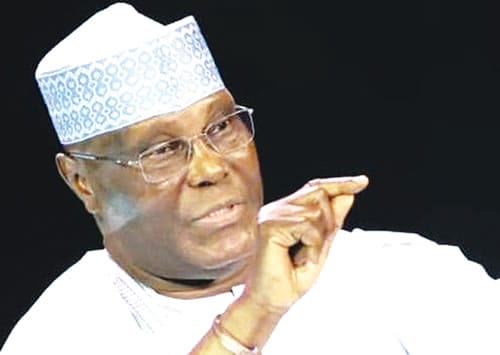
The renewed subsidy debate is also taking place against the background of Nigeria’s political activities ahead of the 2027 general elections. Former Vice President Atiku Abubakar has recently renewed his position on reducing petrol costs, while the Presidency has criticised calls to restore the old subsidy system. This has turned fuel pricing into both an economic and political issue. Supporters of subsidy restoration argue that government should do more to protect citizens from high living costs, while opponents say returning to the old system would only create another expensive burden for the country. The important thing is for political leaders to present clear and realistic alternatives instead of making promises that may be difficult for government to finance.
Nigeria Needs Relief and Sustainable Reform
Mohammed Idris’s warning highlights a difficult choice facing Nigeria. Returning to the old fuel subsidy system may offer some short-term relief if government can reduce petrol prices, but it could also place significant pressure on public finances if the system becomes expensive again. At the same time, simply defending subsidy removal without addressing the hardship faced by millions of Nigerians is unlikely to be enough. Nigeria needs reforms that protect the country’s finances while making life better for ordinary people. The government must continue to improve transparency in the use of subsidy savings, invest in infrastructure and social services, support businesses and strengthen measures that can reduce transportation and food costs. The IMF’s assessment shows that reforms have improved some areas of Nigeria’s economy, but it also makes clear that many citizens are still facing serious hardship. The goal should therefore be a Nigerian economy that does not depend on expensive subsidies but also does not leave vulnerable citizens behind.