








By Isaac Mission
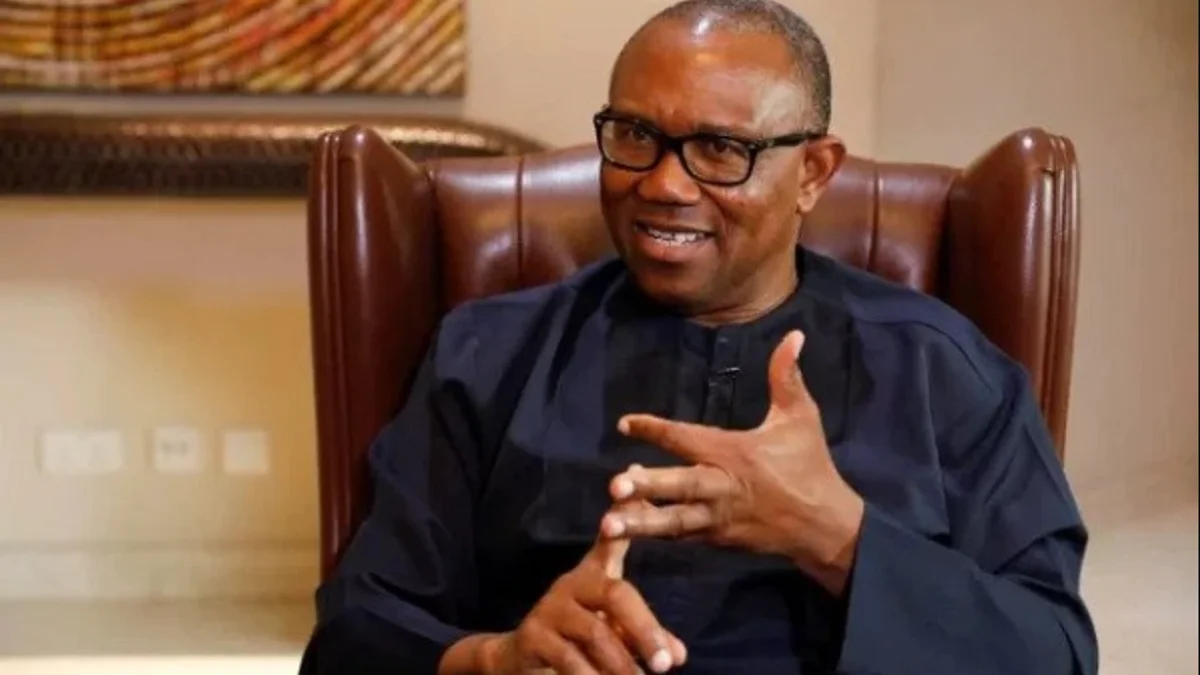
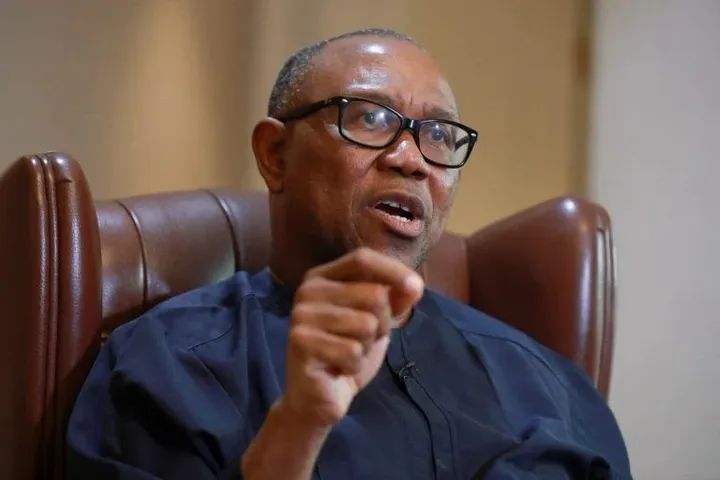
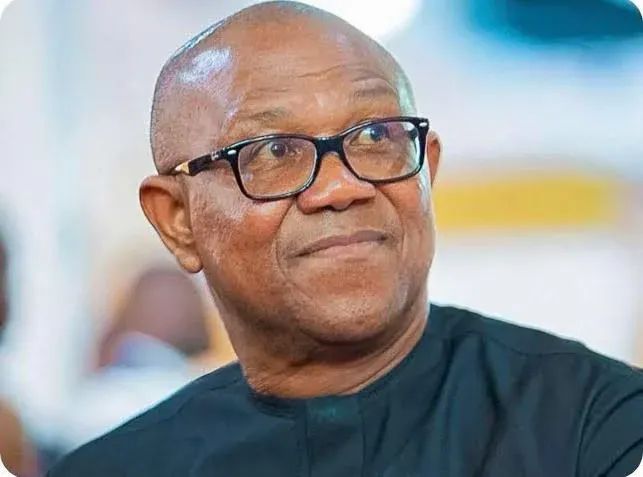
Presidential candidate of the National Democratic Congress (NDC) for the 2027 election and former Anambra State Governor, Peter Obi, has said he would maintain the floating exchange-rate regime introduced by President Bola Tinubu if he becomes president.
Obi disclosed this during an interview on Arise Television on Thursday, September 10, 2026, where he discussed some of the economic policies of the current administration.
The naira float has remained one of the most debated aspects of Tinubu’s economic reforms. Supporters argue that the policy has improved transparency in the foreign exchange market and reduced the need for government to spend heavily defending an unsustainable exchange rate. Critics, however, have linked the policy to significant naira depreciation, rising inflation and increased pressure on businesses and households.
When asked to identify a Tinubu administration policy he would preserve, Obi pointed specifically to the floating of the naira.
“Yes, there is one, it’s floating the naira. I’m not going to defend it, but I’m going to put productivity to make it more valuable to the people,” he said.
Obi explained that his approach would not involve using public resources to artificially support the currency. Instead, he said his administration would concentrate on boosting production and economic activity, which he believes would strengthen the value of the naira.
Obi Rejects Fuel Subsidy Restoration
The NDC presidential candidate also dismissed suggestions that restoring the petrol subsidy would be the solution to poverty in Northern Nigeria.
He argued that the region’s economic difficulties stem from deeper structural problems rather than solely from the removal of fuel subsidy.
Obi said he understood the challenges facing the North and promised to make poverty reduction in the region a major priority if elected.
According to him, agriculture would be central to his strategy because of the region’s significant agricultural potential. He pledged greater investment and targeted support for the sector, while also promising to help vulnerable groups, including almajiris, gain access to education and other opportunities.
He further said his administration would seek ways to moderate fuel prices across the country, rather than limiting such intervention to a particular region.
“The poverty in the North was not worsened because of the removal of subsidy, there are other things,” Obi said.
He added that he believed the North could experience significant economic transformation through a non-corrupt approach focused on agriculture, education, productivity and poverty reduction.