








By Isaac Mission
The United Nations has described the progress recorded in Imo State as encouraging, particularly in the areas of digital transformation, youth development, economic diversification and public-sector reforms.
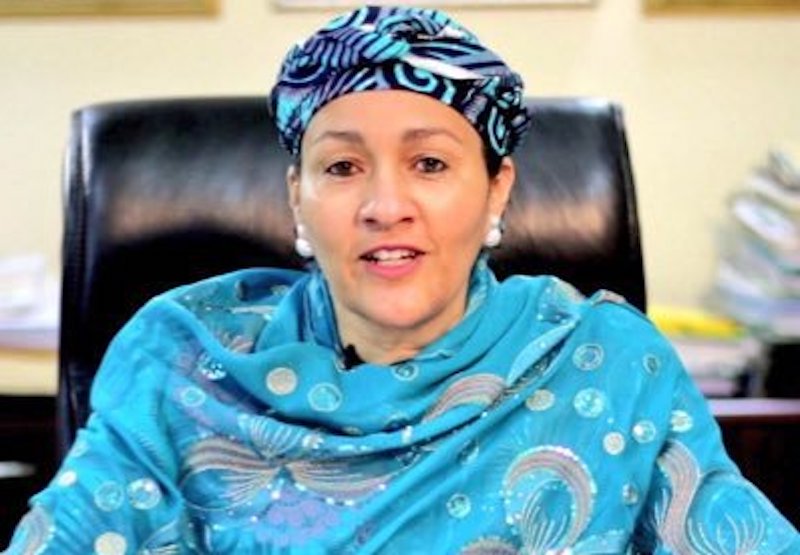
The UN Deputy Secretary-General, Amina Mohammed, made the assessment during a high-level visit to Governor Hope Uzodimma at the Imo State Government House in Owerri.
Mohammed said the state’s investments in education, digital skills, energy infrastructure and institutional reforms were helping to create opportunities for young people, strengthen businesses and build more resilient communities.
She noted that with the 2030 Sustainable Development Goals deadline approaching, developments at the state level would be crucial to ensuring that global development targets translate into tangible improvements in healthcare, education, employment and living standards.
“What I saw in Imo is inspiring,” Mohammed said, while expressing optimism about the determination of young people she encountered and their potential to participate meaningfully in the digital economy.
The UN delegation, however, identified areas where further intervention would be required, including strengthening energy systems, improving access to climate finance and establishing stronger supply chains that connect local producers to larger markets.
Mohammed also stressed that investments in human capital should be complemented by effective social protection and accessible, quality healthcare.
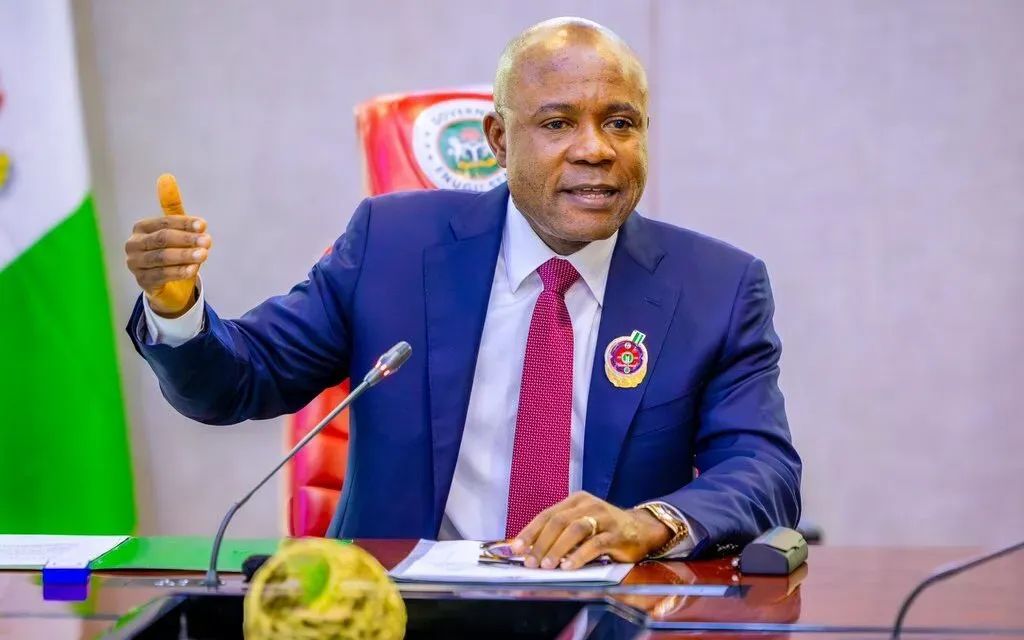
Responding, Governor Uzodimma said his administration had deliberately made technology a major component of its development strategy, describing it as an important tool for tackling unemployment, improving security and reducing the state's dependence on government employment.
He disclosed that through the Imo Digital Economy Agenda, thousands of young people had received training in areas including software development, cybersecurity and artificial intelligence.
According to the governor, the objective is not merely to provide technical training but to enable young people to establish businesses, develop innovative solutions and compete internationally.
Uzodimma also highlighted the state’s energy initiatives, including the adoption of Compressed Natural Gas, electric mobility and independent power projects, which he said were designed to provide cleaner and more affordable energy to households and businesses.
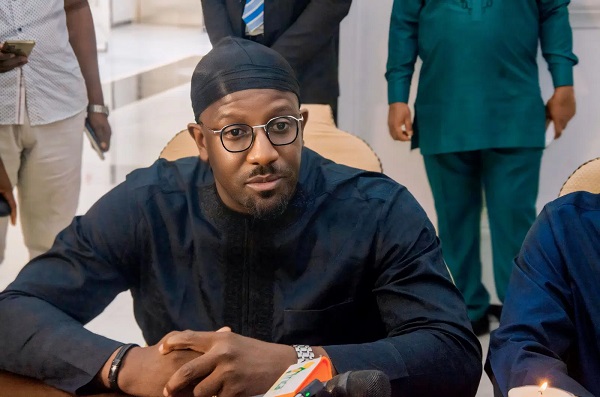
The Commissioner for Digital Economy and E-Government, Chiemezie Amadi, told the delegation that the state was moving away from conventional empowerment programmes towards specialised technical skills.
He cited the example of Adanna, a graduate who underwent training in phone repair and later established a successful business in Ohaji/Egbema, as an indication of how technical skills could create economic opportunities outside major urban centres.
Amadi said Imo was positioning itself to become a major exporter of digital talent and appealed for greater international support in artificial intelligence, entrepreneurship and access to venture capital.
The Commissioner for Petroleum and Gas Development, Emeka Mgbudem, outlined the state’s plans for a cleaner household energy system, including the use of low-pressure Compressed Natural Gas as an alternative to more expensive cooking fuels.
The state’s Chief Economic Adviser, Kenneth Ameshi, meanwhile, called for stronger collaboration with the UN Development Programme to expand the One Kindred One Business Initiative, known as OKOBI.
Ameshi said the programme had already supported about 600 profit-oriented businesses and provided employment for more than 20,000 people. He said the state was targeting the creation of 500,000 jobs through the initiative by 2030.
He appealed for blended financing, technical assistance, business incubation and improved market access to help community-based enterprises grow sustainably.
Ameshi further said the state’s clean-energy plans could significantly reduce household cooking costs by utilising captured natural gas, while also helping to address deforestation and indoor air pollution.
The Commissioner for Health, Chioma Egu, highlighted interventions in primary and secondary healthcare, stressing that continued collaboration with development partners would be important in sustaining the gains made in the sector.
The Special Adviser to the Governor on Sustainable Development Goals, Chinenyenwa Owuamalam, said the state was aligning its development programmes with the SDGs, with emphasis on infrastructure, digital innovation, healthcare and youth empowerment.
She also highlighted initiatives supporting gender equality and vulnerable women, as well as school-based SDG awareness, environmental programmes and inter-agency partnerships.
The meeting ended with a shared commitment by the Imo State Government and the United Nations to deepen cooperation in areas including infrastructure, clean energy and technical assistance, with the aim of accelerating development across the state’s local government areas.
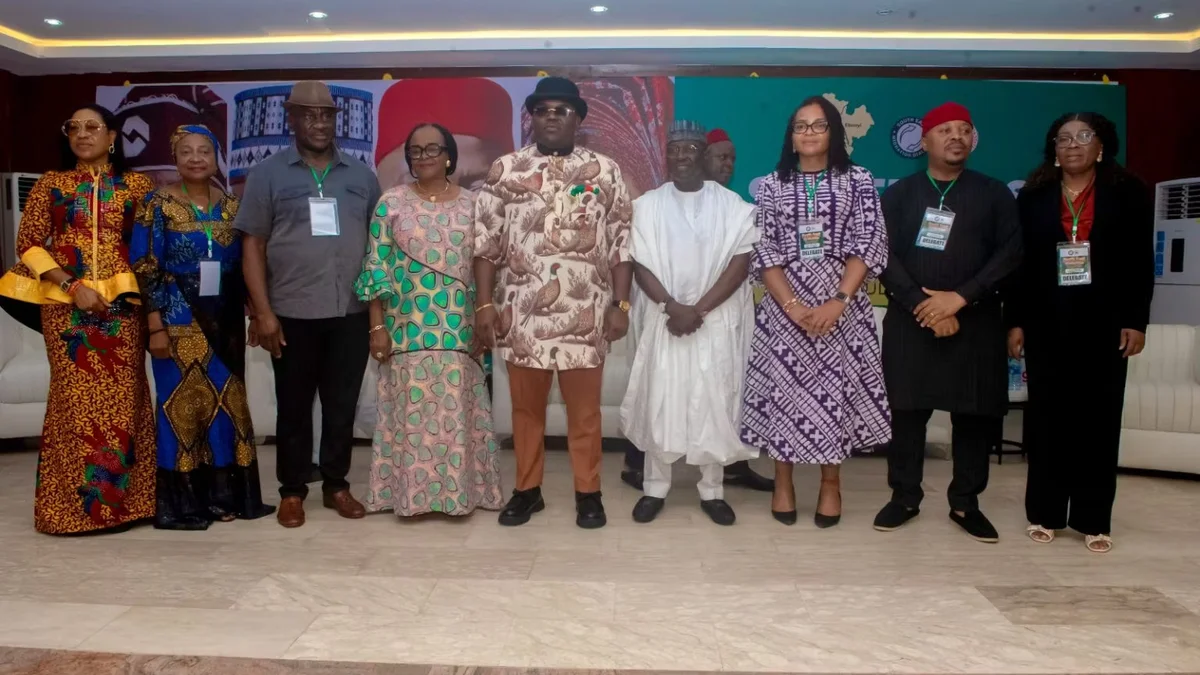
The UN delegation included the UNDP Nigeria Resident Representative, Elsie Attafuah; Hadiza Elayo, Special Assistant to the Deputy Secretary-General and Deputy Director of the Sustainable Development Unit; Beatrice Eyong, UN Women Representative to Nigeria and ECOWAS; and Dr Vanessa Phala, Country Representative of the International Labour Organization.