



















By Faith Eze
Duane “Keffe D” Davis Found Guilty in Tupac Shakur Murder Case
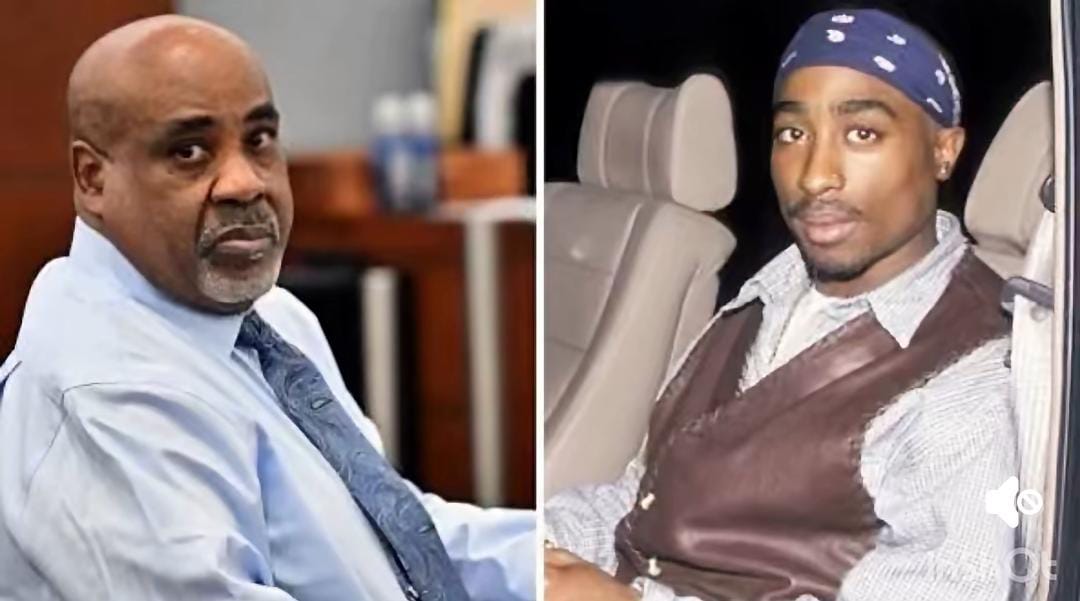
Nearly 30 years after the death of legendary rapper Tupac Shakur, one of the biggest mysteries in hip-hop history has reached a major turning point. Duane “Keffe D” Davis has been found guilty in connection with Tupac’s 1996 murder. A Las Vegas jury returned the guilty verdict after deliberating for less than three hours, making the case one of the most significant developments since Tupac was fatally shot. The verdict brings the first conviction in a case that has remained unsolved in the public eye for decades. Davis, who is 63, was convicted of murder with a deadly weapon for his role in the killing.
Tupac Shakur was only 25 years old when his life was suddenly cut short. On September 7, 1996, the rapper was travelling in Las Vegas with Marion “Suge” Knight after attending a Mike Tyson boxing match. Their vehicle stopped at a red light when a white Cadillac pulled alongside them and gunfire erupted. Tupac was seriously wounded in the shooting, while Knight also suffered injuries. Tupac died several days later from his injuries. His death shocked millions of fans around the world and became one of the most talked-about tragedies in music history. His influence continued to grow after his death, with his music remaining popular among both older and younger generations.
For many years, there was no criminal conviction in Tupac's murder. The case attracted countless theories, rumours and speculation, with fans repeatedly asking who was responsible for the shooting. Davis eventually became the central figure in the investigation. Prosecutors argued that he helped organise the attack following a confrontation involving his nephew, Orlando “Baby Lane” Anderson, and members of Tupac's group earlier that night. According to prosecutors, the shooting was an act of retaliation. Davis was not accused of personally firing the gun. Instead, prosecutors argued that he helped organise the attack and provided the firearm used in the killing. Under Nevada law, a person who helps orchestrate a murder can face a murder charge even if they are not the person who physically pulls the trigger.
One of the most important parts of the prosecution's case was Davis' own statements over the years. Prosecutors used comments he had made in interviews, recordings and his 2019 memoir, Compton Street Legend. Davis had previously spoken publicly about his connection to the events surrounding Tupac's death. His defence team argued that some of his statements were exaggerated or invented for money and publicity. They also questioned the strength of the evidence and the way investigators handled parts of the case. However, prosecutors told the jury that Davis had repeatedly described his involvement over a long period and that his statements helped establish his role in the shooting. A judge had earlier ruled that his memoir could be used during the trial.
The guilty verdict is especially important because Tupac's murder has remained one of the most famous unsolved cases in popular culture. Tupac was more than a successful rapper. He became an important voice for many people through songs that discussed poverty, social problems, police brutality, relationships and life in difficult communities. His career was short, but his influence was enormous. His death also became closely associated with the intense East Coast-West Coast rivalry that existed in hip-hop during the 1990s. The conviction does not answer every question surrounding Tupac's death, but it represents a major legal development and gives the case a level of closure that many people have waited almost three decades to see.
Following the verdict, emotions were high inside the courtroom. Members of Tupac's family were present when the decision was announced, and reports described emotional reactions from his relatives. Davis, meanwhile, has maintained his position in the case and has indicated that he plans to appeal the conviction. The conviction could result in a life sentence, although the final punishment will be determined at sentencing. Reuters reports that sentencing is scheduled for October 13, 2026. Davis remains in custody while the legal process continues. The appeal could also create another chapter in a case that has already lasted far longer than anyone expected.
The conviction of Duane “Keffe D” Davis marks a historic moment for Tupac Shakur's family, fans and the wider hip-hop community. For almost three decades, questions about who was responsible for the rapper's death remained unanswered in court. Now, a jury has determined that Davis was guilty of murder for his role in orchestrating the fatal attack. Although the verdict cannot bring Tupac back, it represents a major step in the legal history of the case. Tupac's music and influence have continued to live on across generations, and his story remains deeply connected to the history of hip-hop. As Davis prepares for sentencing and a possible appeal, the world will continue watching one of music's most famous murder cases and its long-awaited search for justice.